
WB to support Pakistan in climate-vulnerable sectors
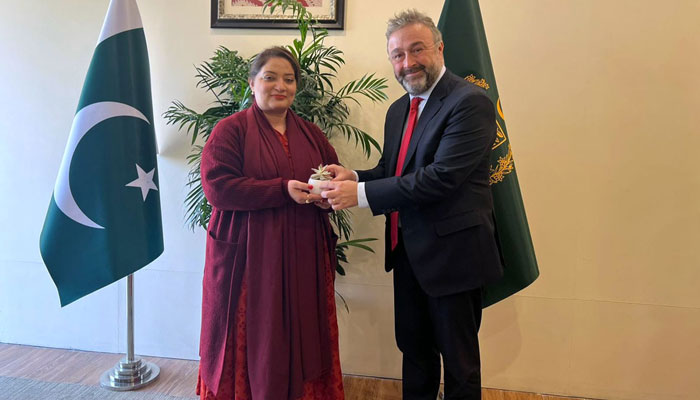
Islamabad:World Bank Country Director for Pakistan, South Asia Region, Najy Benhassine met Coordinator to Prime Minister on Climate Change Romina Khurshid Alam here on Tuesday to discuss bilateral cooperation for building Pakistan’s climate resilience.
Both sides focused on discussing the country’s increasing climate vulnerability and the urgent need for enhanced cooperation to address the challenges posed by climate change. They agreed to work jointly to invest in various climate-vulnerable sectors, particularly agriculture, water, energy, floodwater management, disaster risk reduction for making these sectors climate-resilient.
The meeting also focused on addressing the growing climate-related challenges faced by Pakistan, which include extreme weather events such as floods, heatwaves, and droughts. Pakistan is one of the most vulnerable countries to climate change, despite contributing a minimal share to global emissions.
Ms Alam highlighted during the meeting that Pakistan is among the most vulnerable countries to the exacerbating fallout of climate change, despite its minimal contribution to global greenhouse gas emissions. “While the country continue to face extreme weather events such as devastating floods, heatwaves, droughts, desertification, groundwater depletion, crop failures and unpredictable rainfall patterns, which have significant economic, social, and environmental consequences, Pakistan is doing everything possible with its own resources and existing capacity to cope with the impacts of climate change,” Alam said.
She also said that in 2022, Pakistan experienced one of the worst flood disasters in its history, with millions displaced, crops destroyed, and critical infrastructure damaged. "This has emphasised the urgent need for flood resilience and disaster risk reduction measures."
While highlighting the worsening droughts, expanding desertification and growing water scarcity in many parts of the country, the PM’s climate aide said depending on glaciers and rivers for water, Pakistan was experiencing acute water shortages, further exacerbating challenges in agriculture, which is a mainstay of the country’s economy. She said extreme temperatures, especially in the southern and eastern regions, had been leading to loss of life, increased health risks, and disruption to daily life.
The World Bank representative acknowledged the country’s escalating climate vulnerability and offered technical and financial support to help the country build resilience against climate-related risks. He also discussed viable strategies to strengthen Pakistan’s climate risk management systems, focusing on several key areas including water, agriculture, energy, and food security.
Benhassine also emphasised the significance of developing and implementing comprehensive climate risk management strategies to be implemented at national, provincial and district levels.
"This would help the country to better prepare for and effectively respond to natural disasters and mitigate their economic, social, and environmental impacts and protect lives and livelihoods of the vulnerable communities." The visitor reiterated the World Bank's commitment to supporting Pakistan's climate finance needs, which, he said, could involve facilitating access to international climate funds to finance projects that build resilience to climate change.







-
 'Friends' Star Lisa Kudrow Slams Modern Sitcoms
 -
 King Charles Is Love By ‘ardent Anglophile’ Donald Trump, Says Expert
 -
 Kanye West Headliner Controversy Takes Shock Turn As Organiser Sends 'forgive Him' Message
 -
 Tori Spelling And Kids Still 'shook Up' After Terrifying Crash
 -
 Blake Lively's Case Against Justin Baldoni Takes Emotional Toll After Major Setback
 -
 Sarah Ferguson Gripped By Fresh Fear Over Epstein Testimony In US
 -
 Zendaya Spills The Future Of 'Euphoria' After Season 3
 -
 Kylie Kelce Shares Parenting Rule To Keep Daughters Away From Being 'mean Girls'
 -
 'Project Hail Mary' Hidden Prison Twist Revealed Leaving Fans Stunned
 -
 Shamed Andrew Is Not Happy With ‘Peaky Blinders’ Caravan
 -
 Sarah Ferguson Relying On Wealthy Friends During Secret World Tour
 -
 Sabrina Carpenter And Margaret Qualley Old Moment Resurfaces As 'House Tour' Video Releases
 -
 Kim Kardashian Recycles Iconic Cindy Crawford Look?
 -
 Royal Easter: What Prince William, Kate Were Likely Up To Away From The Public Eye
 -
 'Succession' Star Reveals Shocking Secret Behind His Marriage
 -
 Jaafar Jackson Reveals Why He Kept Michael Jackson Biopic Role Secret From Family