Are humans living in simulation? Scientist reveals shocking evidence
Vopson’s Second Law of Information Dynamics holds the key to prove simulation theory
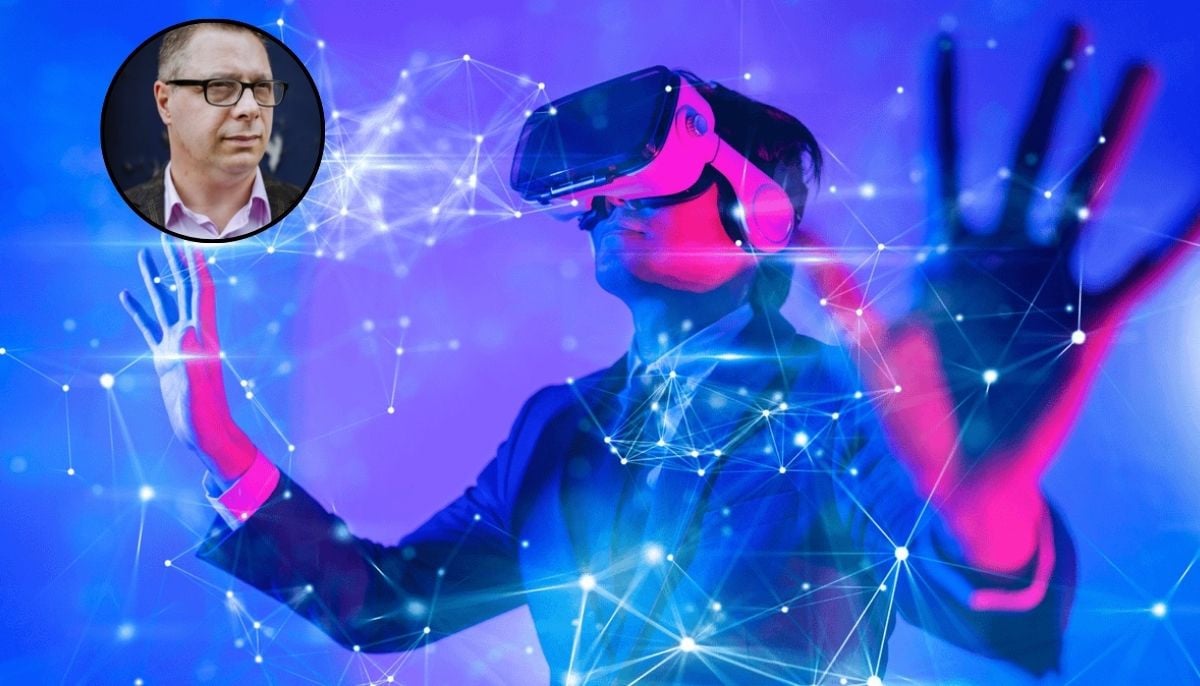
For decades, many scientists and philosophers have been trying to find out a billion-dollar question: Do humans live in a simulated universe? Is the reality we are witnessing real?
The University of Portsmouth scientist Melvin Vopson believes he has evidence to prove that reality is “fake” and the universe is trapped in simulation.
According to Vopson, the key to prove this theory lies in the Second Law of Infodynamics, which is inspired from the second law of thermodynamics.
According to the second law of thermodynamics, the entropy– a measure of disorder in an isolated system– only increases or stays the same, but it will never decrease.
Based on this law, the entropy of the information system should also increase with time. To one’s surprise, entropy is on a downward trajectory in the information system.
Instead, Vopson argued that it either remains constant or decreases to a minimum value at equilibrium. Such deviation goes against the second law of thermodynamics, which inspired Vopson to adopt the Second Law of Information Dynamics.
“However we also know from thermodynamics that entropy is always rising. I argue this shows that there must be another entropy—information entropy—to balance the increase,” he said.
Vopson claims that the decrease of entropy in the information system points to the built-in digital nature of the universe dominated by data optimization and compression “to reduce the computational power and the data storage requirements to run the simulation.”
“This is exactly what we are observing all around us, including in digital data, biological systems, mathematical symmetries and the entire universe,” he added.
Vopson’s Second Law of Information Dynamics is not verifiable enough to prove the simulation theory. But, it is also hoped that the law could unlock the secrets of some interesting discoveries.


-
 A ‘neglected’ neutrino may hold the key to why the Universe exists
 -
 Can cancer drugs be made in space? Here’s what the new mission aims to find out
 -
 SpaceX Falcon 9 successfully launches Bandwagon-5 mission with 32 payloads
 -
 Europe launched 8 orbital rockets last year, can it rival Starlink?
 -
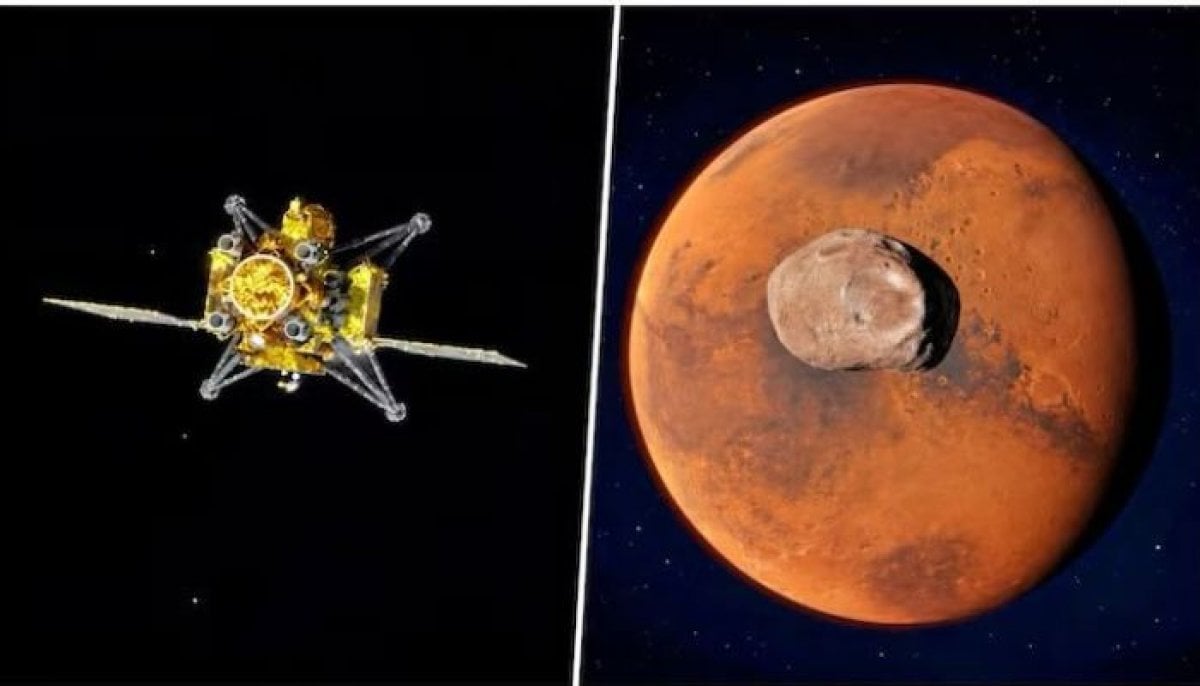 Japan launches world’s first mission to bring sample back from phobos
 -
 Orionid meteor shower 2026: Peak date, viewing tips and what to expect
 -
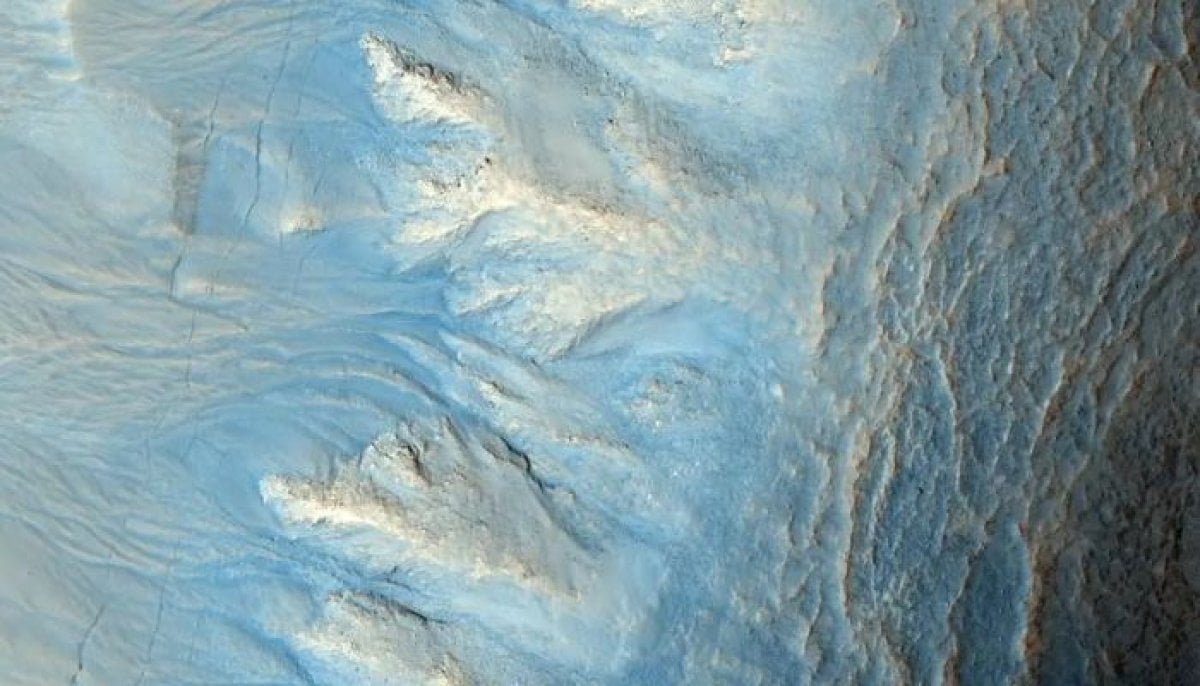 Why Mars looks blue in NASA’s unedited curiosity panorama?
 -
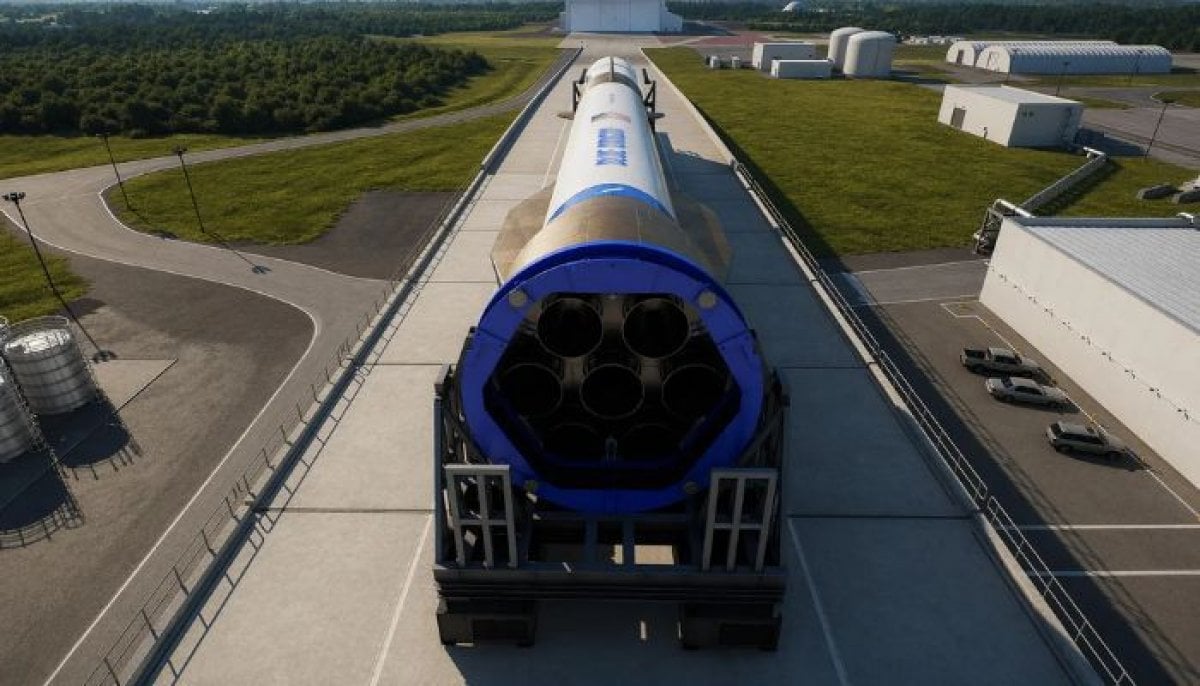 Blue Origin upgrades new Glenn rocket launch infrastructure to take on SpaceX