
Diabetes crisis worsens in Pakistan as 36 million affected
In women, diabetes has surged from 9% in 1990 to 30.9% in 2022 — largest increase across all countries
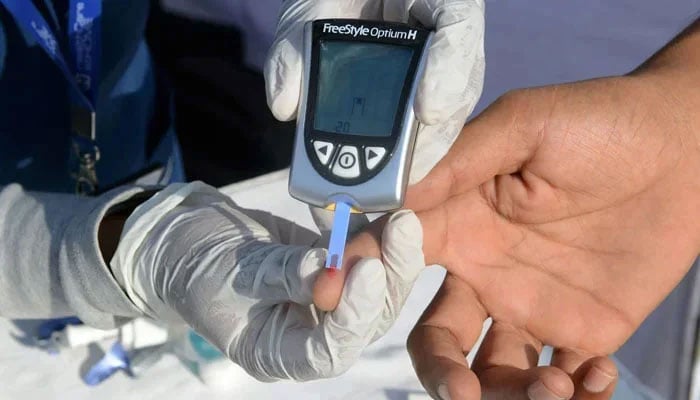
ISLAMABAD: Pakistan’s diabetes epidemic has reached alarming levels, with the number of affected adults soaring to 36 million in 2022, a sharp increase from the previously reported 33 million.
The latest findings from The Lancet reveal a staggering increase, particularly among women, where the diabetes rate has surged from 9% in 1990 to 30.9% in 2022 — the largest increase across all countries.
This sharp rise is not just a health issue, but a national emergency, as millions of Pakistanis remain at high risk of severe complications such as heart disease, blindness, and amputations. The study highlights Pakistan’s critical need for enhanced healthcare strategies and better access to diabetes treatment.
The global study, conducted by the NCD Risk Factor Collaboration with the World Health Organization (WHO), reveals that worldwide, over 800 million adults are now living with diabetes, a sharp increase from just 198 million in 1990.
More concerning is the fact that 59% of adults globally with diabetes—445 million—did not receive treatment in 2022. Pakistan, with its rapid rise in diabetes cases, is emblematic of the crisis facing many low- and middle-income countries (LMICs), where both the disease rates and the lack of treatment have been escalating in tandem.
Prof. Abdul Basit, Secretary General of the Diabetic Association of Pakistan (DAP), voiced his concern, urging the public to join hands to prevent further complications from untreated diabetes.
“We need to standardize care and ensure access to affordable treatments. But more importantly, we must focus on preventing diabetes in the first place,” he emphasized.
The study, which analyzed data from over 140 million people globally, also paints a concerning picture of global diabetes trends. It finds that from 1990 to 2022, the diabetes rate doubled worldwide, affecting about 14% of adults.
While some countries, particularly in North America, Western Europe, and parts of East Asia, have made strides in improving treatment rates, the situation in LMICs like Pakistan remains dire, with significant disparities in treatment access and healthcare outcomes.
Among the most troubling findings, Pakistan’s diabetes rate among women skyrocketed to 30.9% in 2022, marking an unprecedented rise.
Globally, the study showed that diabetes is most prevalent in countries like India, China, and the United States, with Pakistan ranking high among nations with the largest number of affected individuals. This surge is compounded by the alarming fact that the number of untreated diabetes cases in Pakistan is rising, mirroring trends seen in other developing nations.
The study underscores the urgent need for national and global action to address this crisis. According to Prof. Majid Ezzati of Imperial College London, the lead author of the study, “The data highlights widening global inequalities in diabetes treatment, especially in LMICs, where diabetes rates are rising sharply, but treatment access remains stagnated.”
The study also stresses the importance of early detection and effective treatment, which are often lacking in countries with rapid diabetes growth.
Dr. Ranjit Mohan Anjana, a prominent researcher from the Madras Diabetes Research Foundation, called for more ambitious policies, particularly in regions like South Asia, to promote healthy eating, physical activity, and stricter regulations on unhealthy foods. “Preventing diabetes through a healthy diet and exercise is essential for better health globally,” he said. In Pakistan, the challenge is compounded by a lack of awareness, inadequate healthcare infrastructure, and poor access to essential medicines.
Prof. Abdul Basit pointed out that the country needs a concerted effort to provide standardized care, ensure affordable medication, and focus on public health campaigns to prevent the spread of diabetes. “If we do not act now, the long-term consequences for Pakistan’s healthcare system will be catastrophic,” he warned.
The latest Lancet study paints a grim picture of the global diabetes crisis, with Pakistan facing a particularly steep challenge. While the disease continues to rise in both men and women, the stark increase in the number of women with diabetes underscores the need for targeted interventions and gender-sensitive healthcare policies. As the nation braces for the future, the call for comprehensive action on diabetes prevention, treatment, and public awareness has never been more urgent, Prof. Abdul Basit added.







-
 Katie Price’s Sister Schools Her For Defending Lee Andrews Despite Sex Tape Claims
 -
 Bill O’Reilly Offers Crucial Advice To President Donald Trump During Iran War
 -
 Prince Harry Flips Princess Lilibet In Pool In Meghan’s Holiday Photos
 -
 'Legally Blonde's Luke Wilson Recalls Weird Encounter With Fans
 -
 White House Tracks OpenAI Breach As Lawmakers Push Emergency 'AI Kill Switch'
 -
 Danielle Fishel Shares 'over The Top' Parenting Experience
 -
 20-year-old Suri Cruise Lands Lead Role In Modern Shakespeare Play
 -
 Apple TV+ Announces 'The Morning Show' End After Five Seasons
 -
 Venezuela Earthquakes Caused $19.6B In Damage, $50B In Rebuild: World Bank Estimates
 -
 Rosie O’Donnell Shares Insights About Her Weight Loss Journey
 -
 OpenAI Launches ChatGPT Health For US Users Amid Inaccurate Medical Advice Lawsuit
 -
 Oscar Voters React To 'The Odyssey' As Movie Shatters Box-office
 -
 Multiple BC Communities Set New Temperature Records Amid Heat Wave
 -
 China Targets 50% Growth In Wind And Solar Power Generation By 2030
 -
 University Of Toronto Professor Wins Prestigious Fields Medal, Known As The ‘Nobel Prize Of Mathematics’
 -
 SpaceX Shares Drop 49 Percent From Peak Ahead Of First Earnings Report