
Pollution a ‘serial killer’ in Pakistan amid climate crisis
Sherry Rehman says cannot build a wall; we must adopt measures to control pollution
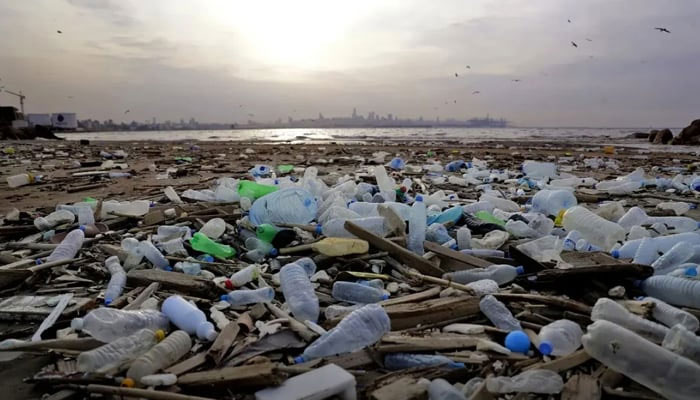
ISLAMABAD: In a stark address underscoring the escalating environmental crisis in Pakistan, Senator Sherry Rehman, chairperson of the Senate Standing Committee on Climate Change and Environmental Coordination, declared pollution a “serial killer”.
While acknowledging the transboundary pollution stemming from crop residue burning in India, she pointed out, “We cannot build a wall; we must adopt measures to control pollution,” she asserted.
She said, “According to data, Pakistan ranks as the fifth most vulnerable country to climate change. However, I believe our risk is even higher, given our population’s lack of preparedness for climate emergencies,” she remarked.
She said this during the ‘Pioneering Solutions for Climate Resilience’ event organized by SDPI and the ministry of climate change here on Monday. Her remarks resonated with the urgency of addressing the country’s pervasive smog problem, highlighting the interconnectedness of local and regional environmental issues.
Rehman emphasized the necessity for collective action, suggesting that even minor adjustments, such as tuning vehicle engines, could mitigate the smog that has plagued cities like Lahore.
Rehman pointed out that Pakistanis exhibit one of the highest per capita water usages globally, characterizing water as a “finite, precious” resource that necessitates careful stewardship. Drawing parallels with countries like South Africa that have implemented water rationing, she stressed the importance of reducing consumption to avoid a similar fate.
Highlighting environmental degradation, Rehman criticized the daily discharge of unfiltered sewage into Rawal Dam, the primary water source for Rawalpindi and Islamabad, and painted a grim picture of the ecological decline she has witnessed over the decades. “Two of the provinces were green when I was a little girl; now they are brown,” she lamented.
She further warned of the health implications of microplastics infiltrating the food supply, contributing to rising disease rates and antibiotic resistance, while noting that a mere one percent of the 30 million tonnes of solid waste produced globally is recycled.







-
 Lamar Odom Breaks Silence On Khloe Kardashian's Shocking Claim
 -
 Matthew Perry Death: 'Ketamine Queen' Sentenced After Deadly Overdose
 -
 King Charles Has Massive Fear Of THIS Animal, Reveals Expert
 -
 'The Boys' Major Character Killed In Final Season
 -
 Beatrice's Husband Edo Receives Shocking News; Details Inside
 -
 'Twilight' Star Taylor Lautner's Wife Gets Real About Pregnancy Anxiety
 -
 Michelle Pfeiffer Reveals Unique Impact Of Motherhood On Her Life
 -
 Natasha Archer, Prince William And Kate's Aide, Spills On Working With Royals
 -
 Law Roach Shares Insights About Zendaya's Approach To 'method Dressing'
 -
 Tom Holland Reveals Shocking Truth About Christopher Nolan's 'The Odyssey'
 -
 Dakota Mortensen’s Lawyer Make Fresh Accusations Against Taylor Frankie Paul In Court
 -
 What Does TACO Trump Mean?
 -
 George Clooney Makes Strong Political Statement Amid Global Turmoil
 -
 Sydney Sweeney, Scooter Braun Pack On PDA Amid Marriage Rumours
 -
 Jennie Garth Reveals How She Got Her Spark Back Post Her Split From Peter Facinelli
 -
 Jennie Garth Reflects On Dark Side Of Finding Fame At Young Age