
NIPP hosts roundtable on social media regulation
Dr Taimur says traditional regulatory methods may not be effective against dynamic nature of digital communication
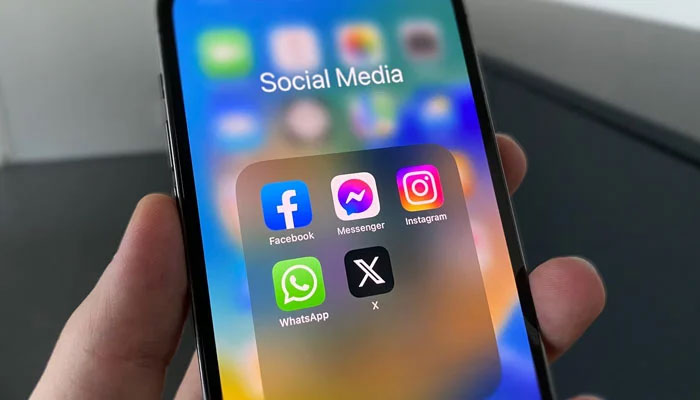
LAHORE: The National Institute of Public Policy (NIPP) hosted a roundtable conference on Monday, initiated by Dr. Naveed Elahi, Dean of NIPP, to address the pressing need to regulate social media in Pakistan by developing a comprehensive regulatory framework to tackle misinformation and hate speech.
Rector NSPP, Dr Ijaz Munir welcomed attendees and highlighted the need for government alignment with regulatory bodies. Key speakers Dr Fareed Zafar and Dr Taimur Rahman, Associate Professors at the Lahore University of Management Sciences (LUMS); Dr Savera Shami, Chairperson of the Department of Digital Media at the University of Punjab; Mr Safdar Ali Khan, Chief Editor of Daily Sarzameen; and Mr Muhammad Farooq Mazhar, Director General of NIM, Lahore, stressed the importance of such a framework.
Dr Ali Abbas, Research Associate at NIPP, presented a research analysis highlighting the issues arising from unbridled social media, including its economic, social, and political consequences. He reviewed government policy responses for social media regulation and provided recommendations based on content analysis of newspaper articles. He also discussed global best practices to offer insights for improved social media regulation in Pakistan. D. Fareed Zafar emphasized the complexities of controlling social media algorithms, arguing that understanding these algorithms is crucial for effective regulation. He called for a focus on cybersecurity steps to protect users and the integrity of online data.
Dr Taimur Rahman stressed the importance of media literacy, asserting that traditional regulatory methods may not be effective against the dynamic nature of digital communication. He urged stakeholders to adopt innovative approaches to educate users on discerning credible information. Dr Severia Shami highlighted the critical need to differentiate between regulation and control, advocating for responsible social media use while preserving freedom of expression.
Farooq Mazhar recognised the government’s significant capabilities but called for more decisive measures in regulating social media. Mr Usman Shami emphasised the need to differentiate between misinformation and credible information while ensuring equitable access to both. Further, Ms Nighat Daad called for regularising the personnel involved in the regulatory process to ensure long-term stability and effectiveness in implementation. The session, attended by academic experts, policymakers, and media representatives, aimed to address the complex challenges posed by the unregulated growth of social media platforms.


