
PCJCCI explores SCO opportunities for economic growth
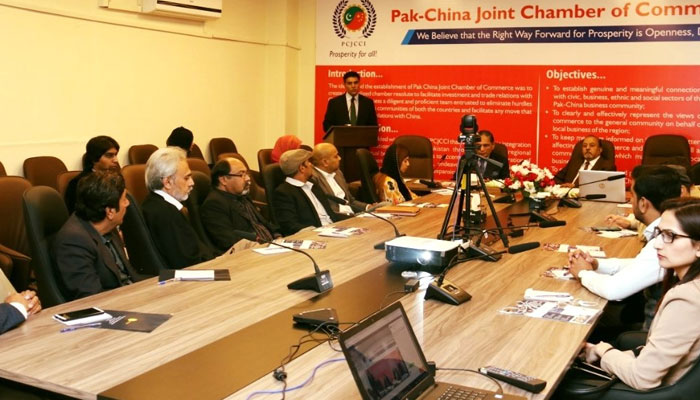
LAHORE: The Pakistan-China Joint Chamber of Commerce and Industry (PCJCCI) has set plans in motion to unlock the economic potential stemming from the recent Shanghai Cooperation Organisation (SCO) conference.
During a PCJCCI think-tank meeting, President Nazir Hussain discussed the SCO’s offerings to Pakistan, noting a significant potential for export-driven growth through reduced trade barriers and enhanced cross-border trade -- benefiting small and medium-sized enterprises. Initiatives like China’s Belt and Road Initiative (BRI) and the China-Pakistan Economic Corridor (CPEC) have upgraded infrastructure, lowered transportation costs and strengthened economic cooperation in the region.
“We should adopt technology transfer, joint ventures, and energy imports from Central Asian states to tackle ongoing energy shortages,” Hussain said at the meeting, “and modernise industries by encouraging infrastructure investment within the country”.
The meeting observed that two SCO member countries are actively investing in Pakistan. China leads through CPEC projects in energy and infrastructure, making Pakistan the third largest recipient of Chinese development finance globally, with a portfolio of $70.3 billion. Russia is also contributing, with nearly $2.5 billion allocated to a natural gas pipeline and approximately $14 billion directed towards oil, gas and power projects. The think tank highlighted that such investments will promote industrialisation in Pakistan by bolstering infrastructure and the energy sector.
PCJCCI officials pledged to develop a strategic plan to provide PCJCCI members with access to broader markets, expanding export opportunities and economies of scale. They anticipate that Pakistan will soon attract more foreign investment and gain a more stable position in global trade negotiations. Lower tariffs and streamlined customs procedures are expected to reduce trade costs and boost competitiveness.
One of the key advantages of the SCO for Pakistan, they noted, is access to larger markets across SCO member economies -- including China, Russia, India and the Central Asian Republics. Diversifying export markets could reduce Pakistan’s dependence on existing trade partners. Textiles, agriculture and sports goods were identified as sectors with strong export potential to Central Asia, Russia and China. Strengthening trade ties with these nations will likely not only increase Pakistan’s export volumes but also encourage local industries to improve quality, productivity, and focus on export opportunities.
PCJCCI representatives recommended that the government of Pakistan adopt a favourable strategic approach to fully capitalise on SCO-driven economic potential. They also proposed establishing a joint coordination committee with trade bodies, including the PCJCCI, to transform SCO opportunities into tangible projects and joint ventures that enhance trade and investment for Pakistan.







-
 Victor Wembanyama’s Historic First Half Tops Tim Duncan, Sparks Massive NBA Reactions
 -
 'Heartbroken' Vanessa Hudgens Mourns Death Of Her 'sweet Girl'
 -
 Sarah Ferguson’s Loyalty To Andrew Gone With ‘free’ Home And Perks
 -
 Diplo Teases Collaboration With BTS On New Album 'ARIRANG'
 -
 Cure Flu With Theses Two Golden Foods
 -
 King Charles Delayed Taking Firm Stance Against Andrew But William Pushed Action
 -
 Toronto Blue Jays Roster Faces Setback With Multiple Injury Concerns
 -
 Demi Lovato Leaves Fans Disappointed With Unexpected Announcement
 -
 Pacers Vs Knicks Overtime Thriller Ends In Heartbreak For New York
 -
 Who Owns The Ambassador Bridge? New Report Links Owner Matthew Moroun To Trump’s Threat
 -
 ICE Detention Center Plan Sparks Controversy In Maryland As Lawmakers Push Back
 -
 Blood Pressure Medication Recalled After Wrong Tablets Found In Bottles
 -
 Why Ariana Grande Wants A 'tiny Mouse' To Play Her In Biopic?
 -
 Wind Chill Returns With Brutal Cold As Polar Vortex Stalls Over Canada
 -
 Princess Beatrice, Eugenie ‘do Not Want To Be Seen In Public’ Because Of Dad
 -
 Costco $20 Rule Explained As Employee Pay Climbs Across North America