
SBP targeting to increase its FX reserves to $13bn by end-June 2025: SBP governor
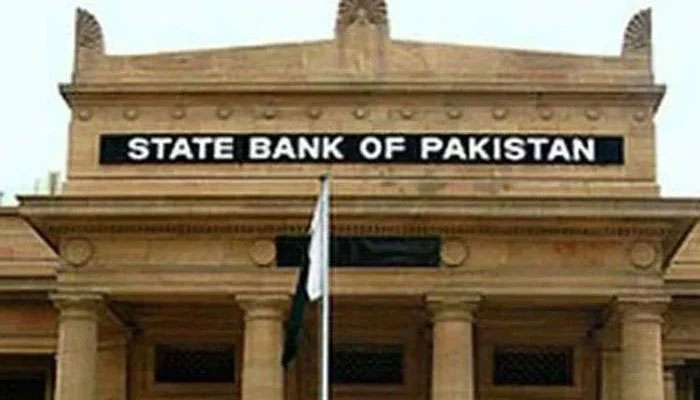
KARACHI: Pakistan’s external account has significantly improved over the past 12 months, despite challenging conditions, the central bank’s governor said, and expects the foreign exchange reserves to rise to $13 billion by the end of the current fiscal year.
This was stated by SBP Governor Jameel Ahmad while meeting with delegates from international rating agencies and major international investors at events hosted by top financial firms, such as Standard Chartered, JP Morgan, Bank of America and Jefferies, on the sidelines of the 2024 IMF-World Bank annual meetings in Washington, DC.
According to a statement issued by the SBP, the governor said that the external account has shown substantial improvement over the past 12 months. Even with a significant increase in imports, particularly non-oil imports, and the normalisation of profit/dividend repatriation by foreign investors, the external current deficit has narrowed significantly, remaining at manageable levels.
Ahmad said that improvement in the current account balance is primarily attributed to strong growth in both exports and workers’ remittances. This low current account along with improved financial inflows has helped in strengthening the SBP’s FX reserves from a low of $3.1 billion at the end of Jan 2023 to $11 billion as of October 11, 2024.
He informed that the SBP is targeting to increase its foreign exchange reserves to $13 billion by end-June 2025.
The foreign exchange buffers are strengthening, according to Ahmad.
He pointed out that the SBP’s prudent monetary policy stance and the government’s fiscal consolidation have played a crucial role in restoring macroeconomic stability in the country.
The governor acknowledged the challenges faced by the global and emerging economies, including Pakistan, and emphasised the necessity of tough yet essential policy responses to address these macroeconomic challenges. He noted that both the SBP and the government have implemented vital stabilisation measures, which are now yielding positive results.
Ahmad added that inflation has peaked and is now on a clear downward trajectory. Moreover, both overall public-sector debt and gross external financing needs relative to GDP have decreased substantially. Economic activity is also recovering with real GDP growth expected to improve further in the current fiscal year. As such, the economy is headed in the right direction, he concluded.
Ahmad explained that inflation in Pakistan peaked at 38 per cent in May 2023 and is on a downward trajectory since then -- reaching 6.9 per cent (year-on-year) in September 2024. He added that the disinflation process remained broad-based, as core inflation also witnessed a noticeable decline in recent months.
Looking ahead, Ahmad stressed the importance of the structural reform agenda, supported by multilateral and bilateral partnerships under the new IMF programme. This comprehensive, home-grown reforms package aims to foster sustainable growth. He shared insights into the SBP’s strategic plan for 2024-2028, which prioritises price stability, the buildup of FX reserves, and the development of an innovative and inclusive digital financial services ecosystem to meet modern banking needs. The plan also focuses on enhancing the efficiency, effectiveness, fairness and stability of the financial system.


