
Dengue comes early
The mosquitoes that spread dengue tend to thrive after the heavy monsoon rains
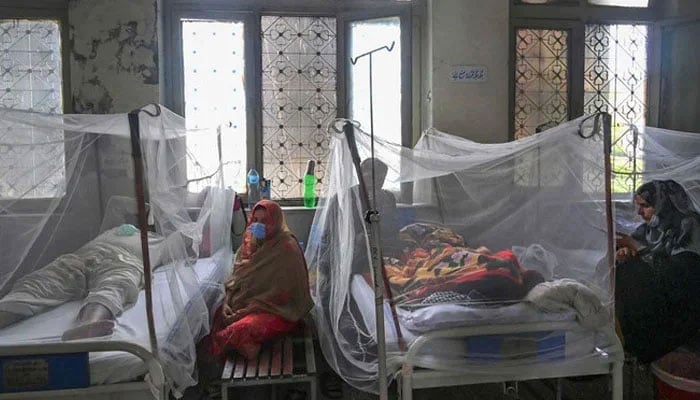
Summer is not the only thing to have arrived early this year. Peak dengue season, which usually follows the heavy rains of the monsoon, is still weeks away but already the Islamabad-Rawalpindi area appears to have a serious dengue outbreak on its hands. As many as 38 patients have tested positive for the virus, with an estimated 24 from Rawalpindi district and 14 from the federal capital. Reports say that the early emergence of this large a number of cases indicates the presence of adult Aedes mosquitoes in great numbers in the region and that the area may face a severe dengue fever outbreak in the coming days. The mosquitoes that spread dengue tend to thrive after the heavy monsoon rains as, given Pakistan’s shoddy urban infrastructure, there is a surfeit of stagnant pools of water. These may as well be pools of death as they provide the ideal breeding ground for mosquitoes that like to lay their eggs in stagnant pools of water. This impact is only exacerbated by the rains leading to the peak dengue months of August through October.
However, rains are something the Rawalpindi-Islamabad twin cities and the rest of the country have yet to face, at least heavy ones. Which makes this early spike in dengue puzzling. Aside from stagnant water, humidity and hot weather also have an impact on the spread of dengue which may have played a role in this early spike. It must also be noted that the image that much of the rest of the country has of Rawalpindi-Islamabad as a leafy green area without the problems of other big cities is fast fading. The rapid pace of growth in the region has likely brought many of the problems more established big cities like Lahore and Karachi have to deal with. These conditions have likely played a major role in the early spike as they do when it comes to dengue in general throughout Pakistan. While equipping the healthcare system to deal with the surge in dengue and also equipping homes and workplaces with mosquito nets and repellents are important remedial measures, these will only deal with the immediate problems. Unless Pakistan literally cleans itself up and stops treating its urban areas like open dumping grounds and fixes all those random potholes and ditches, we will continue to lose dozens of lives to dengue every year.







-
 King Charles’ Abdication Plans Revealed As Prince William Influence Rises
 -
 Sydney Sweeney Finally Reveals Secret To Her Glowing Skin
 -
 Sobeys Cheese Recall: Multiple Products Pulled Due To Possible Listeria Contamination
 -
 Khloe Kardashian Ex Lamar Odom Gets Honest About Sobriety Journey
 -
 USPS Stamp Price Hike Proposed As First-class Mail Could Rise To 82 Cents Amid Financial Crisis
 -
 ‘Disgraced’ Andrew Making King Charles Look Like An ‘absolute Powerless Fool’
 -
 Snowbirds Continue Florida Trips Despite Travel Shift As Others Avoid US Amid Economic Tensions
 -
 Detection Dog At Toronto Airport Uncovers Large Stash Of Undeclared Meat In Passenger Luggage
 -
 Doug Ford Says He Will Work With Any Federal Government, As Liberals Near Majority
 -
 Candace Owens Targeted As Trump Attacks Former Allies Over Iran War
 -
 Artemis II Splashdown Time Set As NASA Prepares For High-speed Return And Recovery Mission
 -
 Melania Trump Denies Epstein Ties, Says Contact With Him And Ghislaine Maxwell Was Only ‘casual’
 -
 Shamed Andrew Tamed By ‘henchman’ Brother Prince Edward
 -
 Afrika Bambaataa Faced Explosive Allegations: What Were They?
 -
 Why King Charles' Anniversary With Queen Camilla Turned Bittersweet?
 -
 Abbas Araghchi Says US Would Be 'dumb' To Let Israel Undermine Ceasefire Amid Lebanon Violence