NASA rover finds 4-billion-year-old flowing water evidence on Mars, raising hopes of past life
Scientists last year found a sample of rock in Jezero Crater which contained a potential biosignature
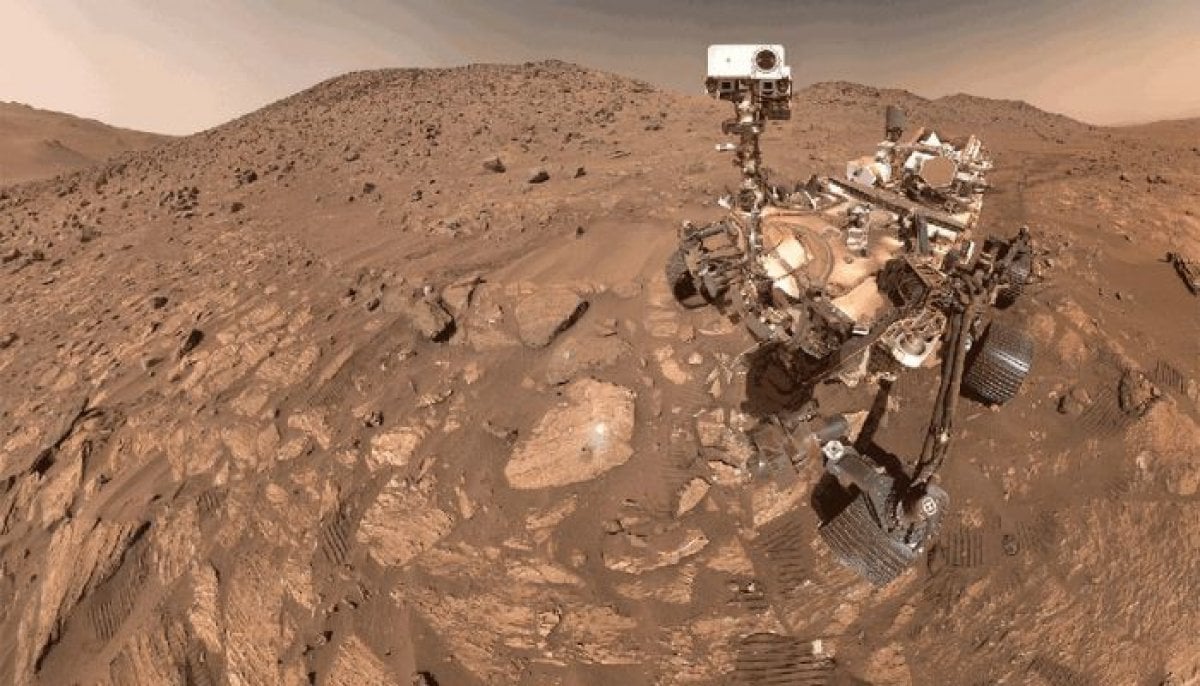
NASA’s Perseverance rover has discovered a “buried treasure” of Martian history. For years, the Red Planet has been a center of attention among the scientific community due to its mysterious nature to harbour ancient life once.
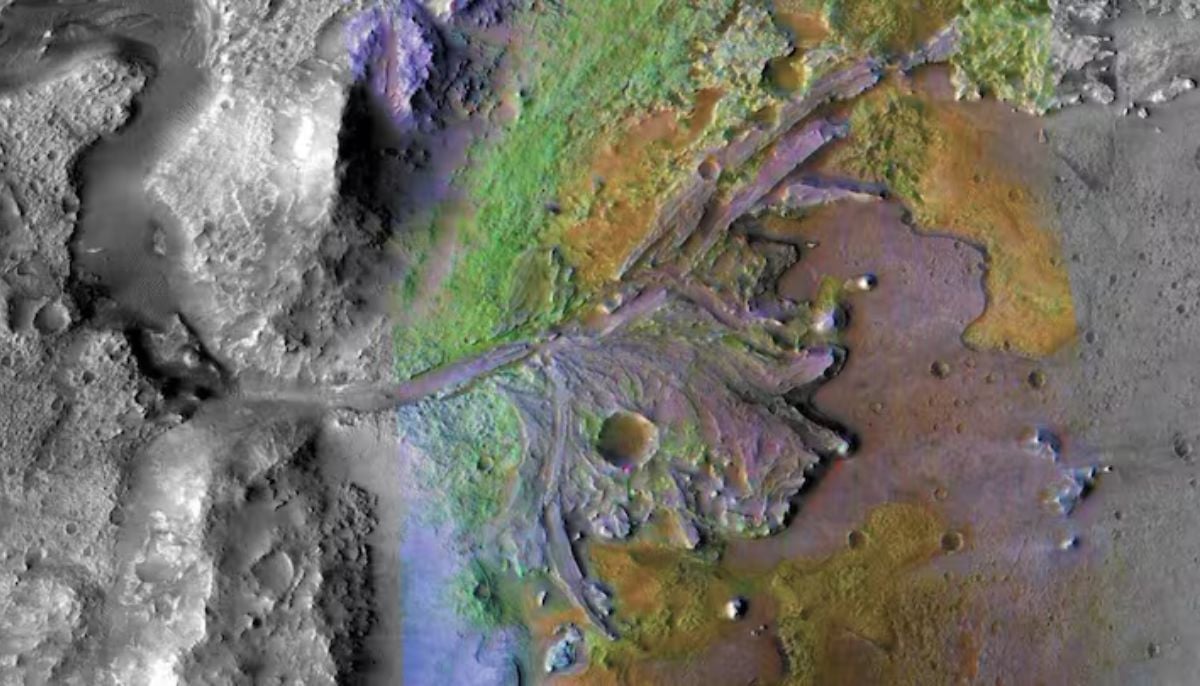
In a recent breakthrough, the rover by using ground-penetrating radar has detected the subterranean remains of an ancient water delta, providing some of the most compelling evidence to date of Mars’ watery past.
While trekking 3.8 miles across the Jezero Crater, Perseverance peered beneath the surface to reveal ancient hydrology and subsurface geology. The rover discovered clear sedimentary structures located up to 115 feet underground.
The ancient hydrology refers to proof of an era when the northern hemisphere crater was a massive lake basin fed by active rivers. As per findings published in the journal Science Advances, the now-buried ancient delta dates to about 3.7 to 4.2 billion years ago, showing the existence of delta relatively early in the Martian history which formed around 4.5 billion years ago.
The revelation reinforced the theory that Mars once hosted a sustained, water-rich environment capable of supporting life.
UCLA planetary scientist Emily Cardarelli, a member of the Perseverance science team and lead author of the research, said, “From the features mapped by RIMFAX, we believe that Jezero Crater hosted an ancient water-rich environment, capable of biosignature preservation that existed prior to the formation of Jezero's Western Delta.”
According to the researchers, the ancient river delta predated Western Delta which formed about 3.5 to 3.7 billion years ago.
Prior to this stunning discovery, the scientists last year found a sample of rock in Jezero Crater which contained a potential biosignature. The presence of biosignature suggested the existence of ancient microbial life on Mars.
Since 2021, NASA’s Perseverance rover has been exploring Jezero Crater, unravelling the mysteries of the Red Planet.
"Mars is diverse, and each rover mission reveals another piece of its puzzling past and the early development of our rocky neighbour," UCLA planetary scientist Emily Cardarelli said.


-
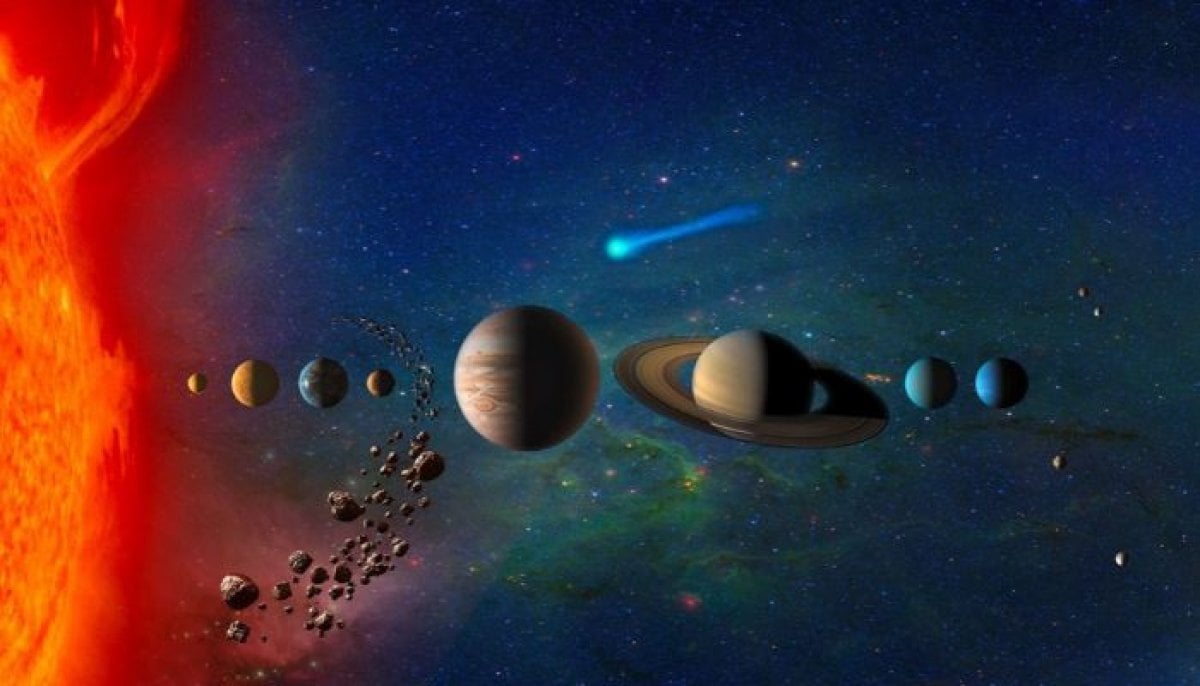 First possible evidence of Planet Nine found in infrared data
 -
 Elon Musk announces SpaceXAI rebrand to SpaceXSI following presidential order on 'Super Intelligence'
 -
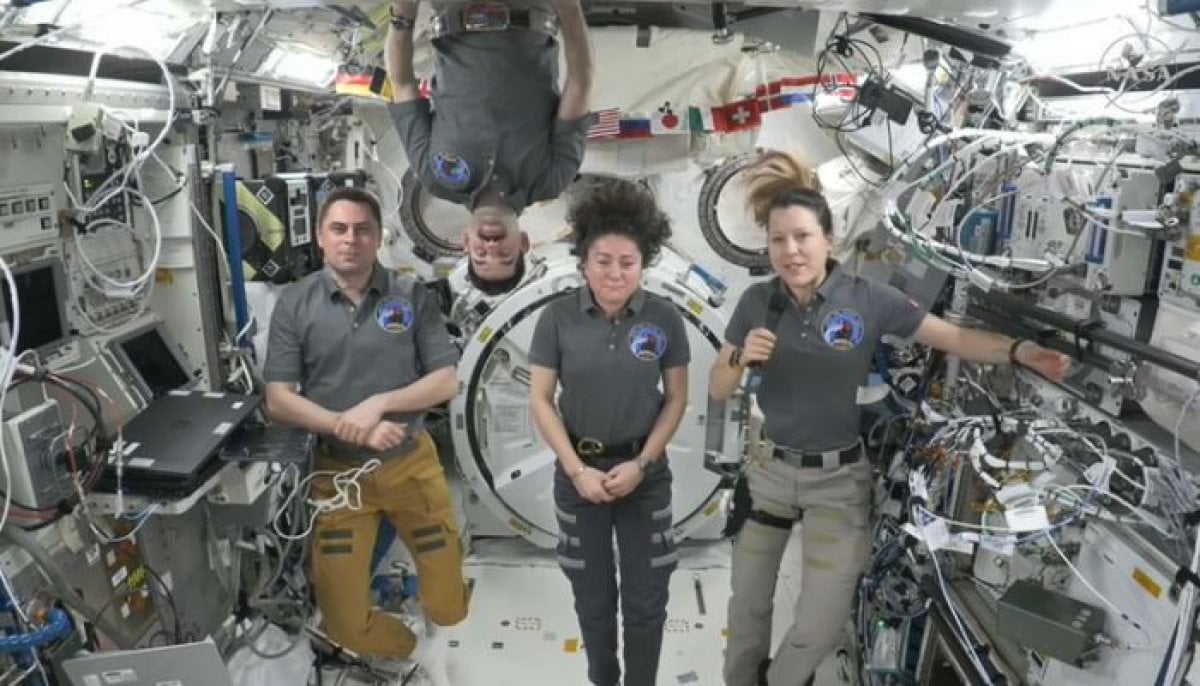 ISS Command changes hands in emotional ceremony
 -
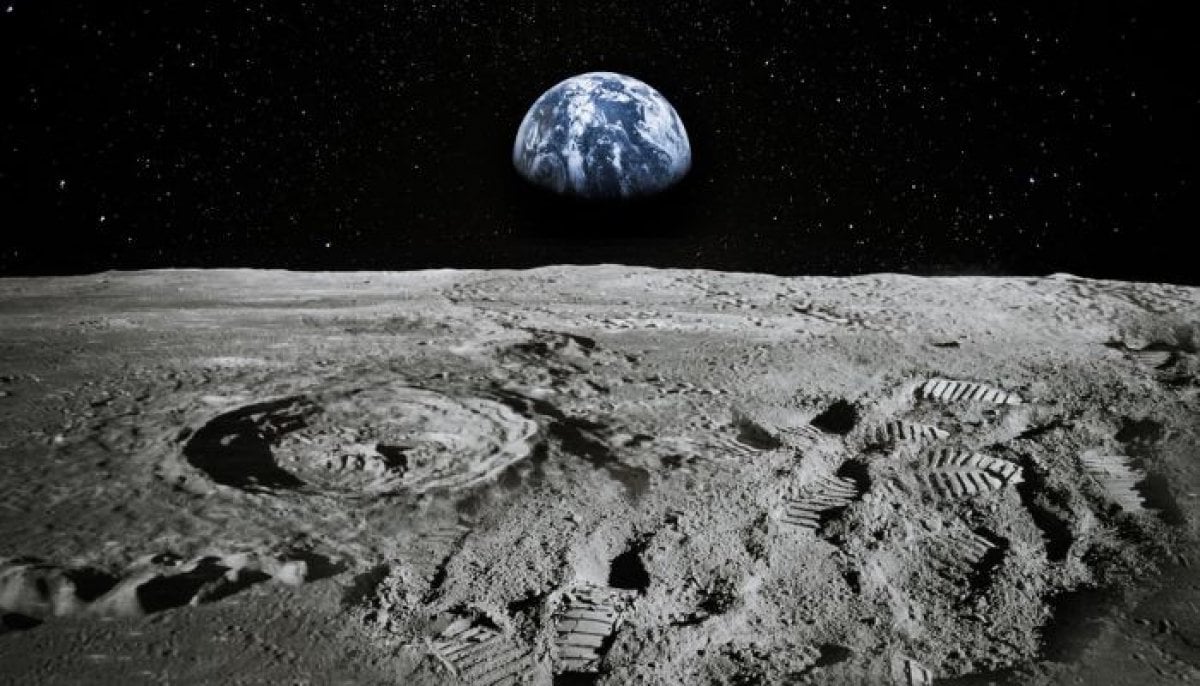 Moon water acts nothing like it does on Earth, study finds
 -
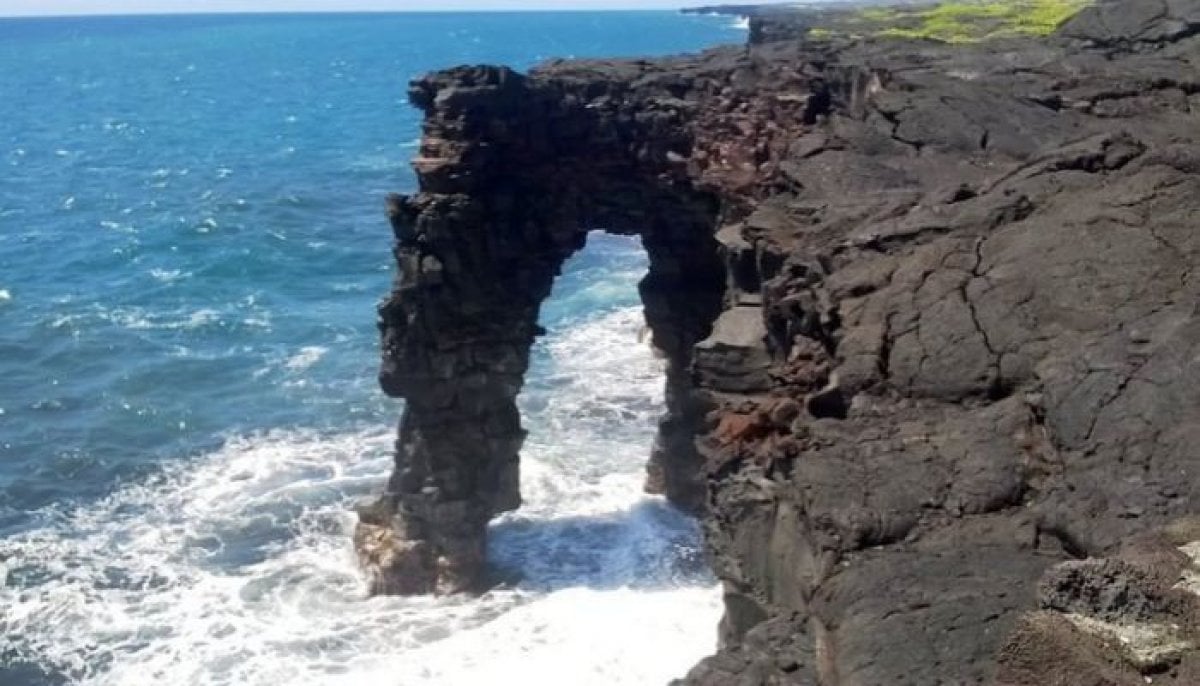 Hawaii’s Hōlei sea arch collapses after centuries on Big Island: What happened
 -
 Solar system may have a much shorter lifespan than we thought
 -
 Singapore builds world’s ultra-precise clock outperforming US, China
 -
 NASA expands Moon base research with three new investigations