
Halving food waste can reduce hunger for 153m people: report
Agriculture, forestry and other land use account for around one-fifth of global human-induced greenhouse gas emissions
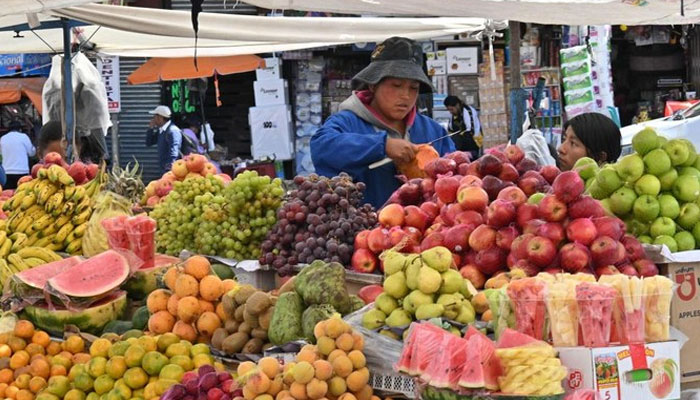
PARIS: Halving food waste could cut climate-warming emissions and end undernourishment for 153 million people globally, the OECD and the UN´s food agency said in a joint report Tuesday.
Around a third of food produced for human consumption gets lost or wasted globally, according to the Food and Agriculture Organization -- resulting in useless emissions and less available food for those who need it.
By 2033, the number of calories lost and wasted between produce leaving farms and reaching shops and households could be more than twice the number of calories currently consumed in low-income countries in a year, the report warned.
Cutting in two the amount of food lost and wasted along the journey from farm to fork “has the potential to reduce global agricultural greenhouse gas emissions by four percent and the number of undernourished people by 153 million by the year 2030,” according to the report. “This target is a highly ambitious upper bound and would require substantial changes by both consumers and producer side,” they added.
Agriculture, forestry and other land use account for around one-fifth of global human-induced greenhouse gas emissions.
UN nations have committed to cutting per capita food waste by 50 percent by 2030 as part of sustainable development goals but there is no global target for reducing food loss along the production supply chain. Between 2021 and 2023, fruit and vegetables accounted for more than half of the lost and wasted food given their extremely perishable nature and relatively short shelf life, according to the report.
Cereals followed, accounting for over a quarter of lost and wasted food. The FAO estimates that approximately 600 million people will be facing hunger in 2030. “Measures to reduce food loss and waste could significantly increase food intake worldwide as more food becomes available and prices fall, ensuring greater access to food for low-income populations,” the report said. Halving food loss and waste by 2030 could result in increased food intake by 10 percent for low-income countries, six percent in lower middle-income nations and four percent in upper middle-income ones, it added.







-
 Prince William Warned His Future Reign Will Be Affected By Andrew Scandal
 -
 Amy Madigan Reflects On Husband Ed Harris' Support After Oscar Nomination
 -
 Is Studying Medicine Useless? Elon Musk’s Claim That AI Will Outperform Surgeons Sparks Debate
 -
 Margot Robbie Gushes Over 'Wuthering Heights' Director: 'I'd Follow Her Anywhere'
 -
 'The Muppet Show' Star Miss Piggy Gives Fans THIS Advice
 -
 Sarah Ferguson Concerned For Princess Eugenie, Beatrice Amid Epstein Scandal
 -
 Uber Enters Seven New European Markets In Major Food-delivery Expansion
 -
 Hollywood Fights Back Against Super-realistic AI Video Tool
 -
 Pentagon Threatens To Cut Ties With Anthropic Over AI Safeguards Dispute
 -
 Meghan Markle's Father Shares Fresh Health Update
 -
 Samsung Galaxy Unpacked 2026: What To Expect On February 25
 -
 Travis Kelce Takes Hilarious Jab At Taylor Swift In Valentine’s Day Post
 -
 NASA Confirms Arrival Of SpaceX Crew-12 Astronauts At The International Space Station
 -
 Can AI Bully Humans? Bot Publicly Criticises Engineer After Code Rejection
 -
 Search For Savannah Guthrie’s Abducted Mom Enters Unthinkable Phase
 -
 Imagine Dragons Star, Dan Reynolds Recalls 'frustrating' Diagnosis