Winnie Harlow breaks vitiligo stereotypes: 'I'm not a sufferer'
Winnie Harlow has been an active advocate for people with vitiligo
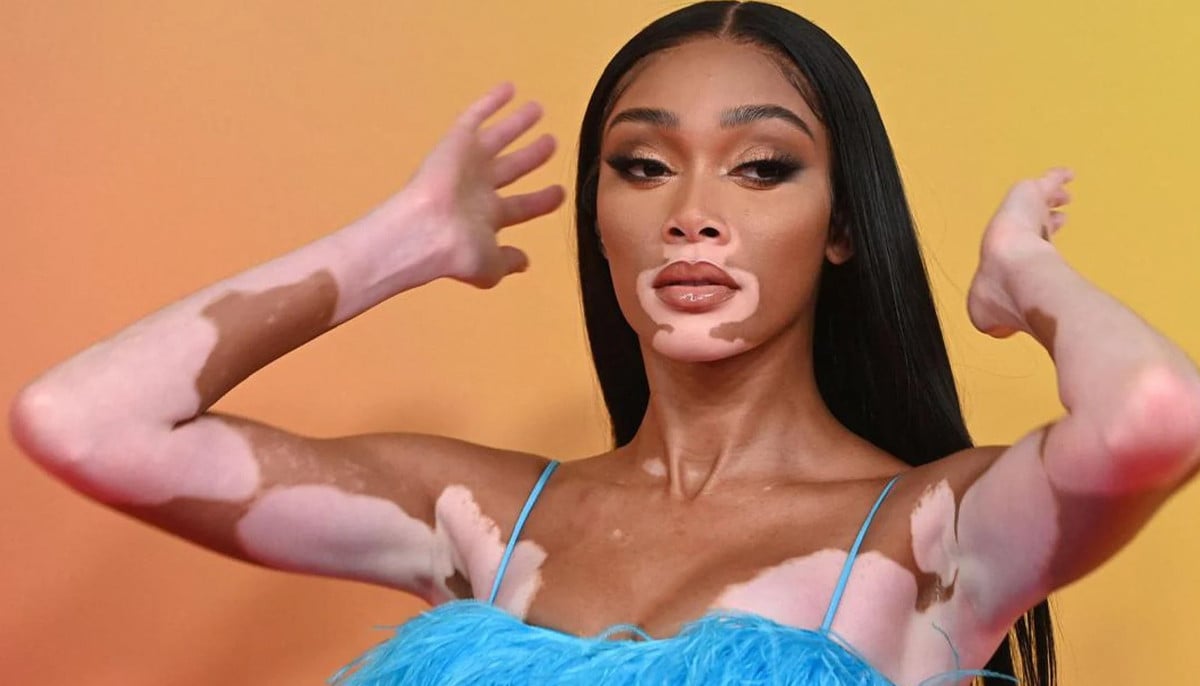
Winnie Harlow has become one of the most recognizable faces in the fashion industry for redifining what beauty means.
Diagnosed with vitiligo at a young age, she transformed what many see as a “condition” into a symbol of individuality, confidence, and empowerment.
Vitiligo is a long-term skin condition in which patches of skin lose their pigment due to the destruction of melanocytes, the cells responsible for skin color. It is not contagious or life-threatening, but it can significantly impact self-esteem due to visible differences in appearance.
Harlow was diagnosed with vitiligo at the age of four and growing up, she faced severe bullying, with classmates calling her hurtful names and isolating her because of her skin.
Her life changed when she was discovered by model Tyra Banks and appeared on America’s Next Top Model.
Although she did not win, her unique appearance captured global attention and she went on to work with major fashion brands and became the first model with vitiligo to walk in the Victoria’s Secret Fashion Show.
Harlow has consistently challenged how society labels people with visible differences and openly rejected being called a “vitiligo sufferer."
Back in 2018, she wrote on her Instagram post, "I'm not a 'Vitiligo Sufferer,' I'm not a 'Vitiligo model.' I am Winnie. I am a model. And [I] happen to have Vitiligo. Stop putting these titles on me or anyone else. I AM NOT SUFFERING! If anything I'm SUCCEEDING at showing people that their differences don’t make them WHO they are!"
She has also emphasized that beauty comes in all forms and that individuality should be celebrated rather than kept hidden.
Winnie Harlow has inspired millions of people around the world through her confidence, especially those with vitiligo or other visible differences. Her success has helped normalize diverse appearances in media and encouraged conversations about inclusivity and self-love.





-
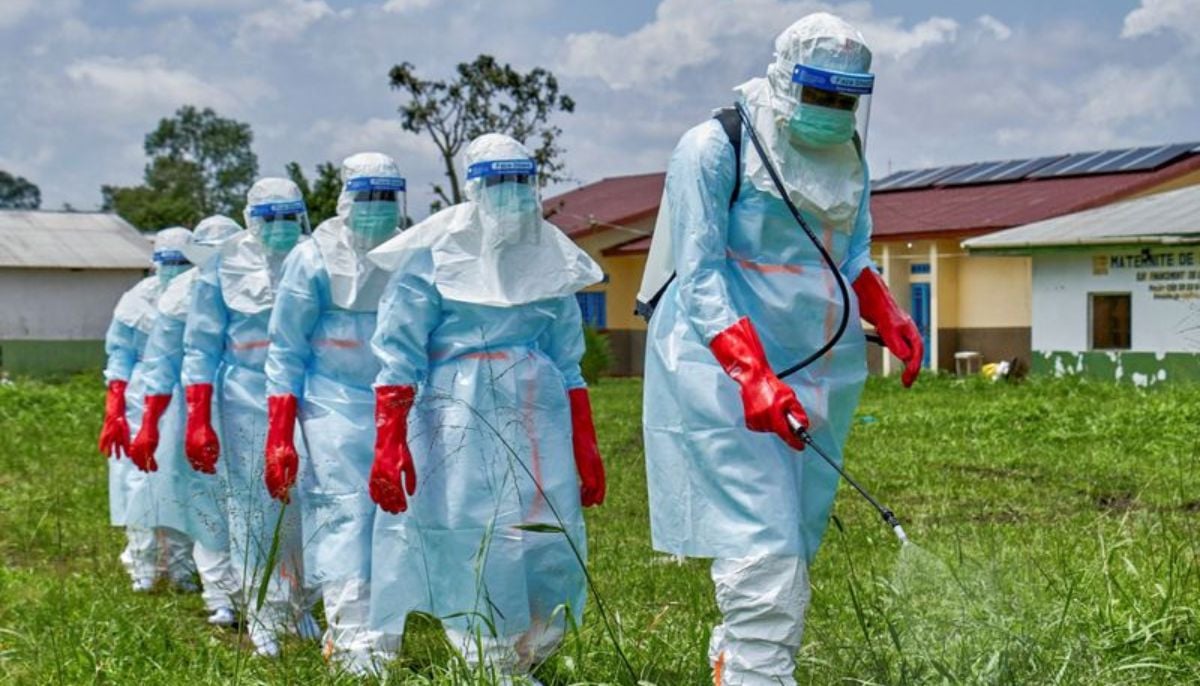 ‘Don’t ignore the threat’: WHO warns of Ebola spread across Africa
 -
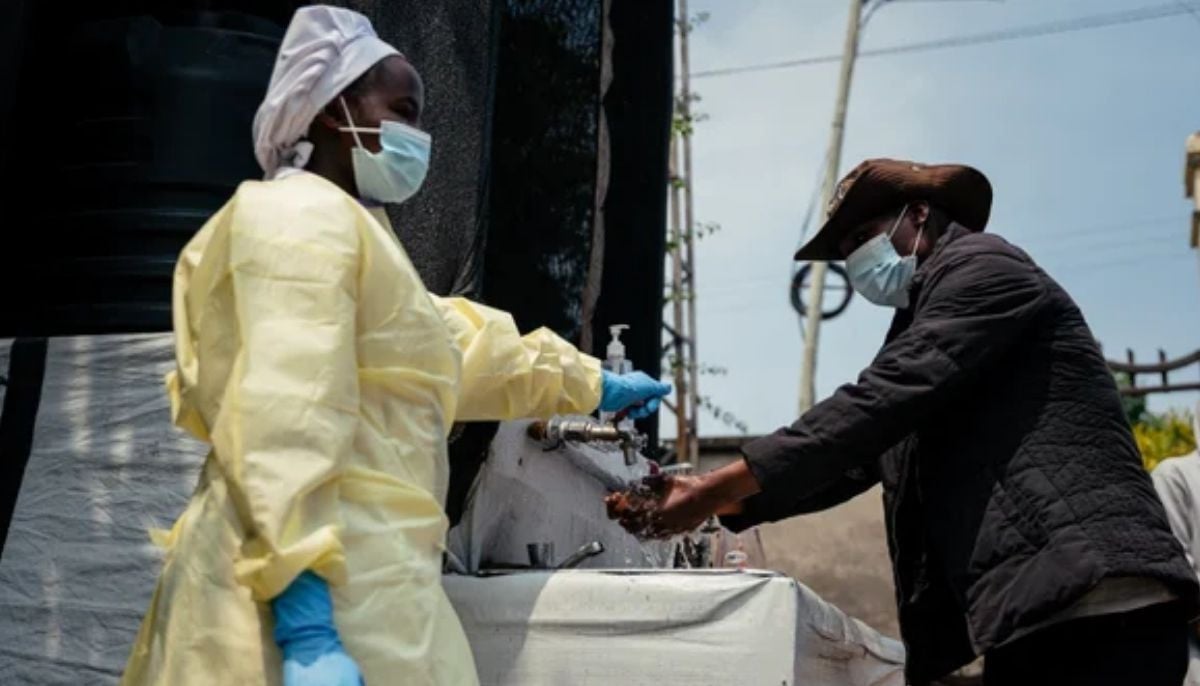 WHO opposes US travel ban on Ebola-affected countries
 -
 How Trump’s ‘forever chemicals’ rollback could impact drinking water across America
 -
 Study reveals watermelon may boost heart health and diet quality
 -
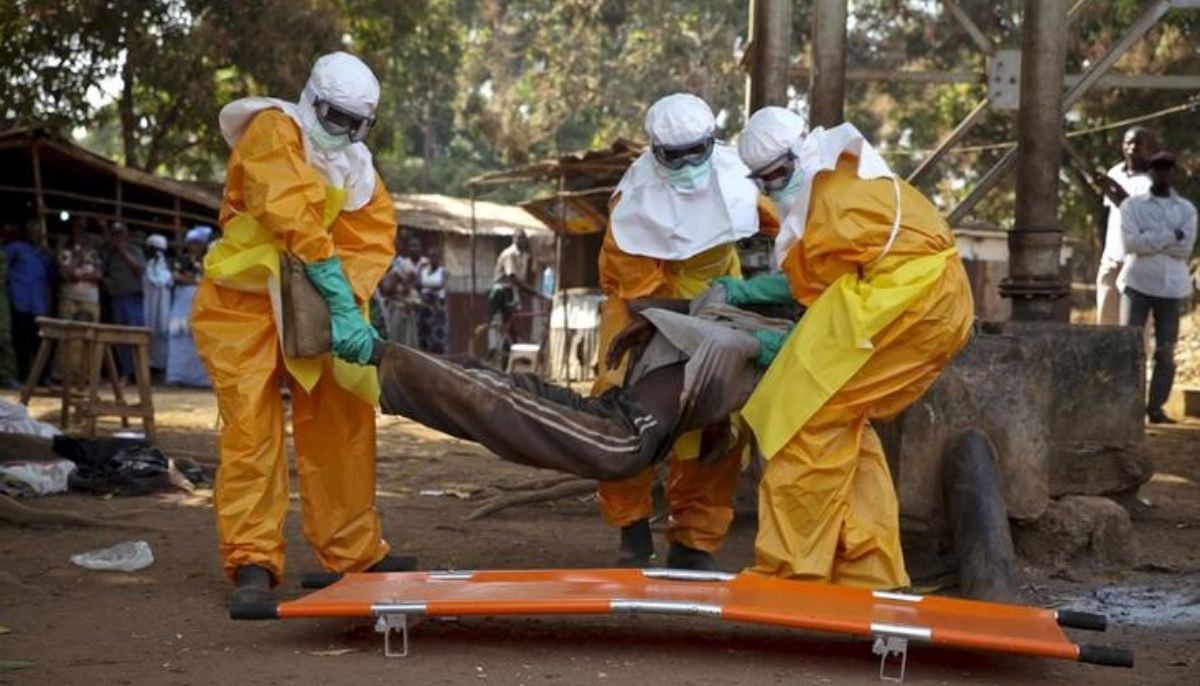 WHO declares Ebola outbreak emergency in DR Congo
 -
 Plastic surgeons see rise in AI-generated beauty requests
 -
 Vitamin B2 may help cancer cells survive, scientists reveals dark side
 -
 Ebola returns to DR Congo, Africa CDC confirms
-
 Hantavirus outbreak: Could it be new pandemic threat like COVID? Experts weigh in
 -
Meningitis leaves one dead, others critically ill; Know how it spreads
-
PCOS renamed PMOS: What new diagnosis means for millions of women’s health
-
Endometriosis linked to small increase in birth defect risk in Canadian study