
Impact of social media on student learning and behaviour
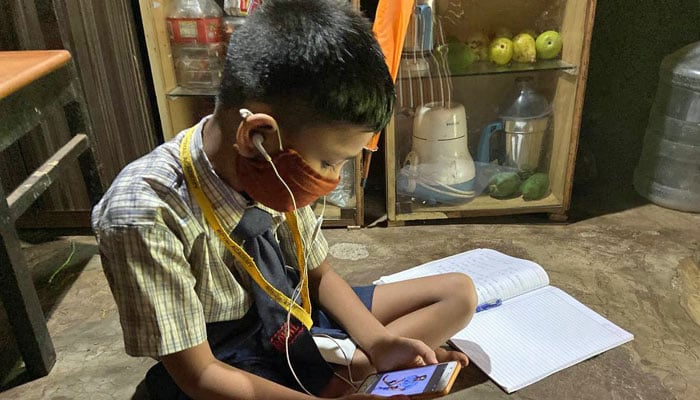
In today's digital age, social media has become an integral part of our lives, with its pervasive presence shaping various aspects of society, including education. However, amidst its convenience and connectivity, concerns have arisen regarding its impact, particularly on students. The allure of social media often leads to addictive behaviours, with individuals frequently checking messages and notifications. Such addiction can significantly impact students' academic performance, emotional well-being, and physical health. It's critical that educators and students understand the possible drawbacks of social media and use it appropriately.
When the students excessively use social media, it can disrupt their studies and consequently lead to poor academic performance, rendering them unproductive. In recent times, there has been a surge in students discussing how cyber bullying on various online platforms can precipitate depression, thereby affecting them psychologically over time. Moreover, individuals who consume excessive amount of caffeine, compared to non-caffeine drinkers, often experience symptoms such as dizziness, tremors, and confusion.
Constantly being alerted by notifications and infinitely scrolling posts can lead to poor time management and decreased productivity. Learners may prioritise social networks over their studies during leisure time, resulting in lower grades or distraction from other healthy activities. Moreover, students become less focused on in-depth schoolwork as their attention span wanes due to the barrage of information from social networking sites.
Social media is another huge area where whispering lies is a major cause for concern. It's challenging to assert the factual accuracy of content posted, leaving students vulnerable to being misled by false information. This underscores the crucial need for individuals in academia to possess strong critical thinking skills and an understanding of various communication channels. Many students lack these skills, despite their importance in navigating social networking platforms. Differentiating between credible and non-credible sources is a complex task, compounded by the global lack of regulation in social media usage. Moreover, privacy and security issues loom large on all social media platforms, with students inadvertently sharing personal information, compromising their safety. Furthermore, ethical concerns arise from the collection and exploitation of personal data by companies utilising social media, raising questions about surveillance and consent.
Besides negative issues of social media, there are some significant factors which enhance students learning. Educational blogs, learning and tutorial platforms offer a diverse range of resources in comparison to books and lessons in a traditional classroom. With an easy access to multiple sources, students can grasp complex concepts more effectively. Regardless of geographical barriers, students can effortlessly join study groups, share notes, and participate in academic discussions through social media platforms. It all depends as to how effectively these students utilise these social media platforms.
Social media has extremely improved the communication between students and teachers. Teachers utilise platforms such as social networking sites and class-specific apps for updates, reminders about deadlines or provision of other materials. This day-to-day communication benefits students in staying up-to-date with their studies.
Moreover, the use of social media plays a significant role in developing crucial digital skills among students. By seamlessly navigating between different platforms, students become adept at utilising technology essential in today's digitised era, thus understating its importance in their studies.
Engaging in the creation and dissemination of content on platforms like social networks encourages innovative thinking among young minds as they contemplate how their ideas are received or conveyed. These skills are not only advantageous in academia but also highly valued in the modern-day job market, enhancing students' competitiveness for future career opportunities.
Another important advantage of social media is the access it provides to global ideas. By interacting with peers from diverse countries and traditions, students can expand their global perspective. It will also help them to shift to global thinking, promote awareness of other people's feelings and emotions and be more culturally broad-minded. When students interact with a range of perspectives, they can have better understandings of the world issues and cultural values of other nations.
The impact of social media on students' education and behaviour is both positive and negative. On one hand, it offers access to information, enhances communication, facilitates the acquisition of digital skills, and fosters an understanding of global perspectives. However, challenges such as decreased concentration, mental wellness issues, misinformation, and privacy invasion persist, demanding effective solutions. Striking a balance between the advantages and disadvantages of social media is essential to maximise its benefits while mitigating its harmful effects. Educated learners with strong digital literacy can navigate the complexities of social media responsibly and effectively. Despite these challenges, it is undeniable that social media offers several educational benefits. For instance, it serves as an engaging platform for students to access information, communicate with instructors, and collaborate on projects.
The key is for individuals to learn how to leverage the advantages of social media while avoiding its pitfalls. Parents and mentors play a crucial role in ensuring that children use these platforms responsibly, prioritising educational use over entertainment.







-
 Argentum AI Signs $2.5 Billion European Data Center Partnership: Here’s What It Means
 -
 Hantavirus Outbreak: Could It Be New Pandemic Threat Like COVID? Experts Weigh In
 -
 King Charles Makes Key Appointment Aimed At Healing Prince William, Harry's Rift
 -
 Scarlett Johansson Reveals How ‘supportive’ Beauty Keeps Her ‘grounded’
 -
 Is Software Engineering Roles Disappearing In 2026?
 -
 Queen Margrethe Hospitalization Sparks Reactions
 -
 Jensen Huang’s Beijing Street Food Moment Goes Viral Amid Trump-Xi 2026 Summit
 -
 US Has Only 12-24 Months To Beat China In AI Race: Here’s Why
 -
 Kate Middleton’s Level Of Caution And Discomfort Surges
 -
 'Mormon Wives' Star Taylor Frankie Paul Makes Serious Claims Against Ex Dakota Mortensen Amid Custody Fight
 -
 Buckingham Palace’s Most Uneasy Relationship Comes To Light: ‘it's A Pretty Weak Spot’
 -
 Australia Quarantines Six People Amid Hantavirus Outbreak
 -
 Australian Transgender Woman Wins Landmark Giggle App Case, Sparks Gender Identity Debate
 -
 Meet The ‘last Titan’: Giant New Dinosaur Identified From Fossils In Thailand
 -
 Inside Musk V Altman OpenAI Trial: What You Missed?
 -
 Shannon Beador Opens Up About Tragic Loss In Heartfelt Message