
A shot at life
Vaccination does not necessarily require a physician to sit around administering doses to children
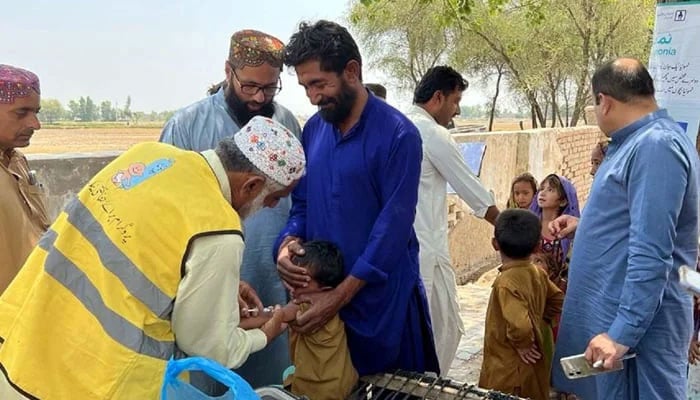
Tomorrow (April 30) marks the last day of World Immunization Week (April 24 - April 30), aiming to help promote the use of vaccines to protect people from diseases. The week’s theme for 2024 is ‘Humanly Possible: Immunization for All’, marking 50 years since the establishment of the Expanded Programme on Immunization, now known as the Essential Programme on Immunization, to promote immunization across the world in 1974. By 1980, smallpox, one of the deadliest diseases known to man, especially for children, was certified as eradicated. Other triumphs followed. In 1988, polio was still endemic in about 125 countries and paralyzed over 350,000 children every year, prompting the launch of the Global Polio Eradication Initiative. By 2022, the incidence of polio had fallen by 99 per cent, preventing some 20 million cases of the virus and an estimated 1.5 million childhood deaths. Between 2000 and 2022, the global under-five mortality rate declined by an estimated 51 per cent, with some countries like Cambodia and Rwanda even achieving a 75 per cent decline. Childhood immunizations have been a – if not the – leading factor behind this decline. And while Pakistan is certainly part of what has been one of the few positive stories of the 20th and 21st centuries, with our average life expectancy rising by about 11 years since 1975, it has not benefited from expanded immunization to the extent that it should have and could.
We are one of the only two countries in the world (the other being Afghanistan) where the polio virus remains endemic, despite significant progress in curbing the incidence of the virus over the past 15 years or so. Of the estimated 20 million children who missed out on one or more of their vaccines in 2022, a big chunk is from Pakistan. Under-five deaths still account for an unconscionable 50 per cent of Pakistan’s total mortality, which means half of all those who die in the country have barely even begun to live. And, given the country’s less than stellar record when it comes to immunization, many of these children are dying from diseases that are preventable. It is clear that governments and health authorities need to do a better job of at least giving Pakistanis a shot at life, let alone a good life. This means raising the health budget to the 6.0 per cent of GDP that experts recommend. Continuing with the current 1.4 per cent of GDP spending on health is not acceptable. Having just one physician for every one thousand people is not acceptable. In fact, Pakistan may well be able to ensure that all children are fully immunized without even reaching the 6.0 per cent of GDP benchmark. Vaccination does not necessarily require a physician to sit around administering doses to children. More basic health workers could do the job. It is simply about making the effort to ensure that what capabilities we do have and can afford reach all the people.


