
Pakistan criticised by Afghans, INGOs for no concrete reason
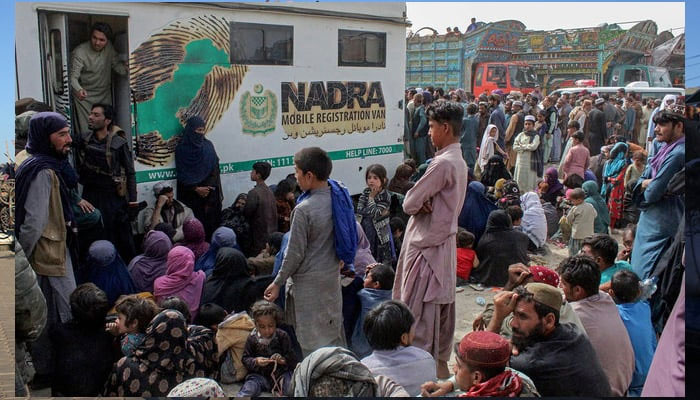
Islamabad:Pakistan and its people are being targeted and criticised on social media by the Afghans with the help of International Non-Governmental Organisations (INGOs) for no concrete reasons because Pakistan is trying to document those Afghan who used illegal way to enter into Pakistan and living here for decades, causing huge losses from hosting Afghans since then. The Afghans shifted to different countries on Pakistani passports, before criticising Pakistan, should review reports compiled and issued by different international forums, indicating the sacrificing role of Pakistan for Afghan refugees during their 43 years stay in Pakistan.
The influx of Afghan refugees into Pakistan since 1980 has had a profound impact on the country. Pakistan has generously hosted millions of Afghan refugees over the past four decades, making it the world’s largest refugee-hosting country. While this act of humanitarianism has been widely praised, it has also come at a significant cost to Pakistan.
The Afghan War has had a devastating impact on Pakistan’s economy. The direct costs of the war, including military expenditures, infrastructure damage, and lost economic opportunities, are estimated to be in the hundreds of billions of dollars. The indirect costs, such as the negative impact on trade and investment, are even higher.
The shattering war left revolting impact on Pakistan, both economically and humanly. The war has caused widespread destruction, displacement, and loss of life. The country’s economy has been harshly damaged, and it is struggling to recover. The war has also created a climate of fear and insecurity in the country.
The Afghan War has also taken a heavy toll on human life in Pakistan. According to the Pakistan Institute of Strategic Studies (PISS), over 83,000 people have been killed in the war, including over 50,000 civilians and over 30,000 security personnel.
The war has also displaced millions of people, both internally and externally. According to the United Nations High Commissioner for Refugees (UNHCR), over 2.7 million Afghan refugees are currently living in Pakistan.
The war has also led to a decline in tourism and foreign investment, which has further weakened Pakistan's economy. The country has been relying heavily on foreign aid to finance its deficits, which has increased its debt burden and made it more vulnerable to external shocks.
On the other side, the role of Afghan refugees multiplied the disturbing issues of Pakistan as numerous Afghans were found involved in criminal activities, including drug trafficking, terrorism, armed robberies, land grabbing and kidnapping for ransom, raising security concerns among Pakistanis. They have been involved in anti-state activities and took active part in 9 May turmoil. Pakistan’s relationship with Afghanistan has been complicated by the presence of Afghan refugees, leading to diplomatic tensions and accusations of harbouring militants.
Pakistan has faced international pressure to address issues related to Afghan refugees, such as their integration and the prevention of criminal activities.
The decision of Pakistan to host Afghan refugees has had both positive and negative consequences for the country.
While Pakistan has gained international recognition and support for its humanitarian efforts, it has also faced significant economic, social, and security challenges due to the large influx of refugees. Balancing the gains and losses from hosting Afghan refugees remains a complex and challenging task for Pakistan.
A large number of Afghan refugees have placed a strain on Pakistan’s limited resources, including education, healthcare, and infrastructure. According to a 2022 report by the International Rescue Committee (IRC), Pakistan has spent over $15 billion on hosting Afghan refugees since 1980. While, Pakistan claimed that over $ 50 billion have been spent during the 43-year stay of legal and illegal Afghans in Pakistan.
Some Afghan refugees have been found involved in criminal activities, including drug trafficking and terrorism, raising security concerns among Pakistanis. According to the United Nations Office on Drugs and Crime (UNODC), Afghanistan is the world's largest producer of opium, and a significant portion of this opium transits through Pakistan.
Pakistan’s relationship with Afghanistan has been complicated by the presence of Afghan refugees, leading to diplomatic tensions and accusations of harbouring militants. In 2021, the Taliban government in Afghanistan accused Pakistan of providing sanctuary to Afghan militants. Pakistan has faced international pressure to address issues related to Afghan refugees, such as their integration and the prevention







-
 Jessica Alba, Cash Warren Finalize Divorce After 16 Years Of Marriage
 -
 China’s AI Boom Takes Center Stage At Spring Festival One Year After DeepSeek Stirred The Industry
 -
 James Van Der Beek Called His Sixth Child Jeremiah 'healing For Us' Before His Death
 -
 Elon Musk Vs Reid Hoffman: Epstein Files Fuel Public Spat Between Tech Billionaires
 -
 Gordon Ramsay Denies Victoria Beckham Got Handsy With Brooklyn At His Wedding
 -
 Gordon Ramsay Makes Unexpected Plea To Brooklyn As He Addresses Beckham Family Feud
 -
 Prince Harry Warns Meghan Markle To 'step Back'
 -
 Selena Gomez Explains Why She Thought Lupus Was 'life-or-death'
 -
 New Zealand Flood Crisis: State Of Emergency Declared As North Island Braces For More Storms
 -
 Nancy Guthrie Case: Mystery Deepens As Unknown DNA Found At Property
 -
 James Van Der Beek's Brother Breaks Silence On Actor's Tragic Death
 -
 Megan Thee Stallion On New Romance With Klay Thompson: 'I'm Comfy'
 -
 Nicole Kidman Celebrates Galentine’s Day Months After Keith Urban Split
 -
 Justin Bieber Unveils Hailey Bieber As First Face Of SKYLRK In Intimate Campaign Debut
 -
 Caitlin O’Connor Says Fiance Joe Manganiello Has Changed Valentine’s Day For Her
 -
 Rachel Zoe Sends Out Message For Womne With Her Post-divorce Diamond Ring