
Taliban to join China’s Belt and Road forum, elevating ties
Taliban officials and ministers have at times travelled to regional meetings, mostly those focused on Afghanistan
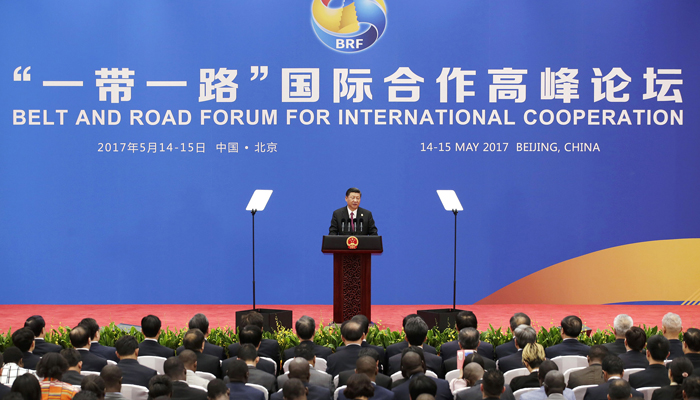
KABUL: Taliban will attend China’s Belt and Road Forum next week, a spokesman said on Saturday, underscoring Beijing’s growing official ties with the administration, despite its lack of formal recognition by any government, foreign media reported.
Taliban officials and ministers have at times travelled to regional meetings, mostly those focused on Afghanistan, but the Belt and Road Forum is among the highest-profile multilateral summits it has been invited to attend.
The forum in Beijing on Tuesday and Wednesday marks the 10th anniversary of President Xi Jinping’s ambitious global infrastructure and energy initiative, billed as recreating the ancient Silk Road to boost global trade. The Taliban’s acting minister for commerce and industry, Haji Nooruddin Azizi, will travel to Beijing in the coming days, ministry spokesman Akhundzada Abdul Salam Jawad said. “He will attend and will invite large investors” to Afghanistan, he said.
The impoverished country could offer a wealth of coveted mineral resources. A mines minister estimated in 2010 that Afghanistan had untapped deposits, ranging from copper to gold and lithium, worth between $1 trillion and $3 trillion. It is not clear how much they are worth today.
China has been in talks with the Taliban over plans, begun under the previous foreign-backed government, over a possible huge copper mine in eastern Afghanistan. China’s foreign ministry did not immediately respond to a request for comment.
Azizi will continue discussions in Beijing on plans to build a road through the Wakhan corridor, a thin, mountainous strip in northern Afghanistan, to provide direct access to China, Akhundzada said. Officials from China, the Taliban and neighbouring Pakistan said in May they would like Belt and Road to include Afghanistan and for the flagship China-Pakistan Economic Corridor to be extended across the border to Afghanistan.
The Taliban has not been formally recognised by any government since taking control of Afghanistan two years ago as the US and other foreign forces withdrew. A series of restrictions on women’s access to public life and the barring of many female NGO staff from work has increased roadblocks to recognition, especially by Western countries, officials and international relations analysts say.
China has boosted engagement with the Taliban, becoming the first country to appoint an ambassador to Kabul since the Taliban took power, and invested in mining projects. Beijing’s ambassador presented his credentials to the Taliban’s acting prime minister last month. Other nations have kept on previous ambassadors or appointed heads of mission in a charge d’affaires capacity that does not involve formally presenting credentials to the government.


