NASA Artemis II astronauts begin final countdown for moon mission
Four astronauts prepare for NASA’s Artemis II mission, testing Orion systems ahead of April launch
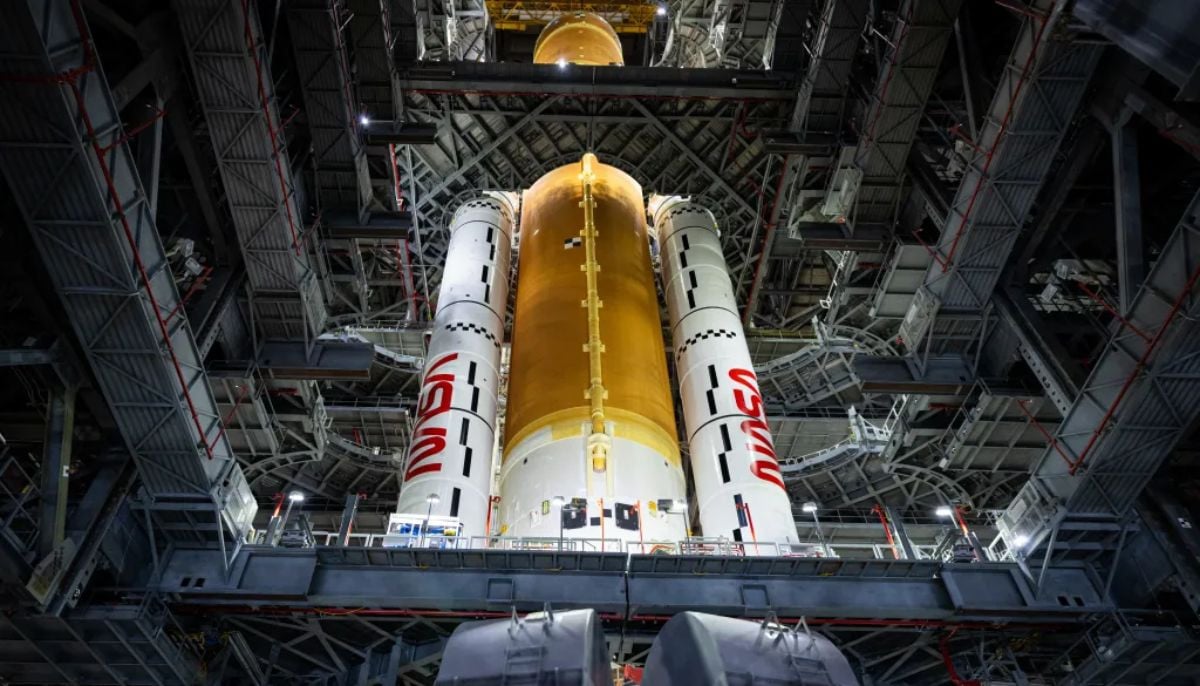
Decades after humans last travelled beyond low Earth orbit, NASA’s Artemis II mission is preparing to take astronauts around the moon.
The four-person crew, which includes NASA mission commander Reid Wiseman, NASA pilot Victor Glover, NASA flight engineer Christina Koch and Canadian Space Agency astronaut Jeremy Hansen, reached Kennedy Space Center in Florida to complete their final training.
NASA's Artemis II mission will conduct tests on spacecraft systems which include life support systems and navigation systems and communications systems and Orion's heat shield system.
“The nation and the world have been waiting a long time to do this again,” Wiseman said, adding the team is “really pumped to go do this.”
Training and technology behind NASA’s Artemis II
The Artemis II mission will use its Space Launch System (SLS) rocket to send the Orion spacecraft on a ten-day lunar mission.
The SLS rocket development receives its core stage funding from Boeing, while Northrop Grumman provides funding for its boosters and Lockheed Martin develops its Orion spacecraft.
The astronauts have been training for their upcoming mission by NASA on Artemis II for more than two years, and they have been under quarantine since March 18.
The Artemis II mission will establish multiple firsts and historical moments. Glover will become the first Black astronaut to approach the moon, while Koch will become the first woman to do so, and Hansen will become the first non-American astronaut to travel beyond low Earth orbit.
Wiseman, Glover, and Koch have prior space experience, while Hansen makes his first flight. “NASA’s Artemis II is a test mission, and we’re ready for every scenario,” Wiseman said.





-
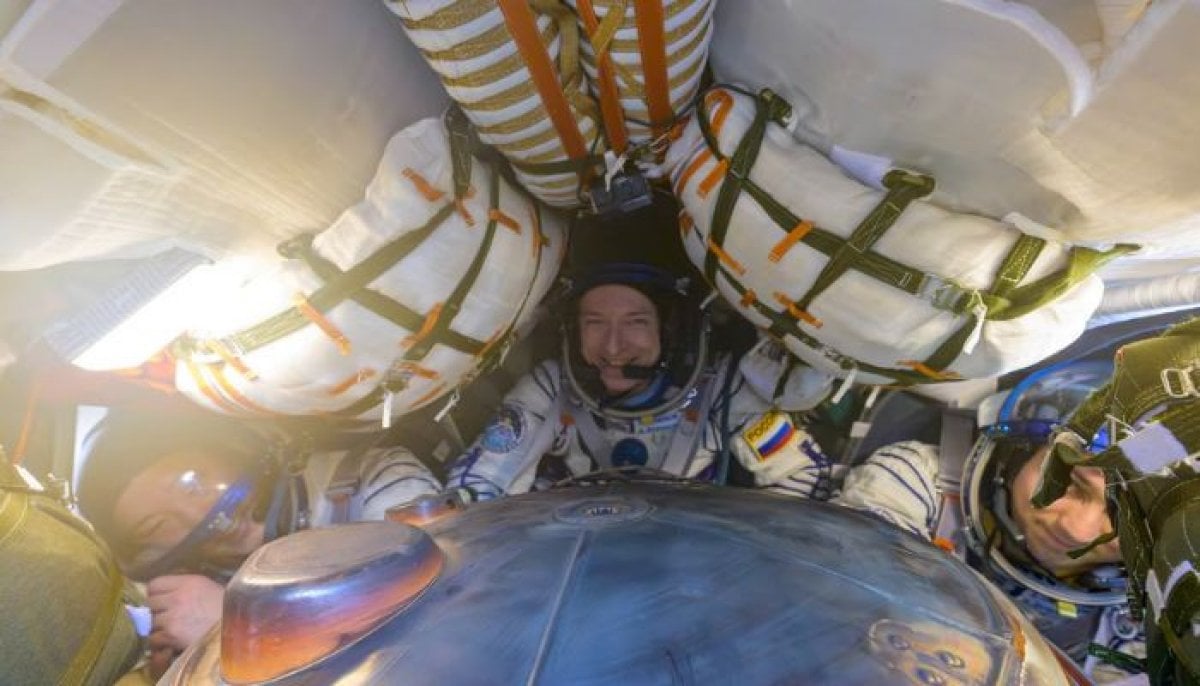 US-Russian space crew returns to Earth after eight-month mission on the International Space station
 -
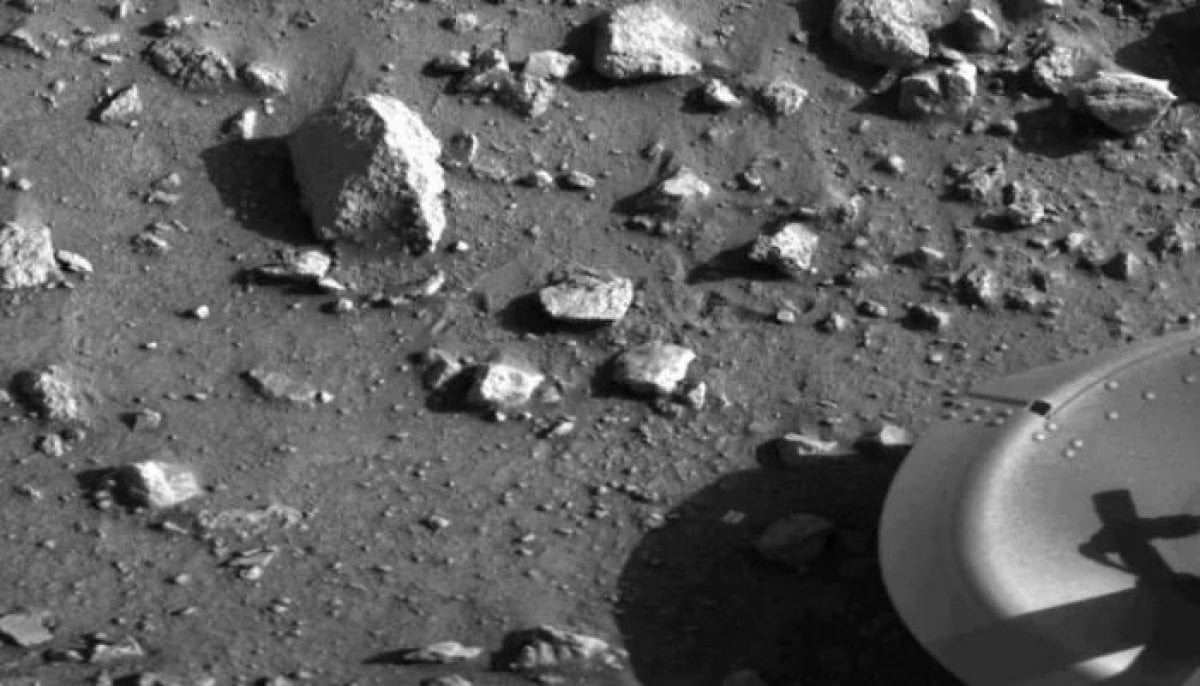 Viking 1 mars landing: 50 years since first photos
 -
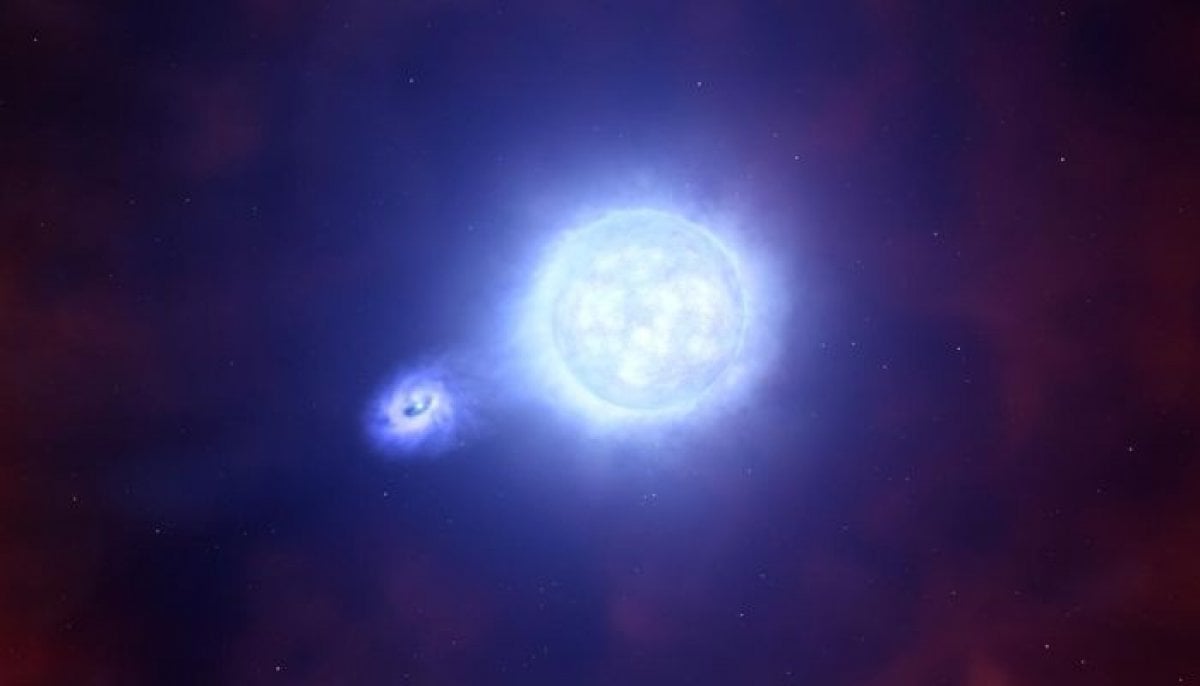 Four hidden dead stars found in Earth's backyard
 -
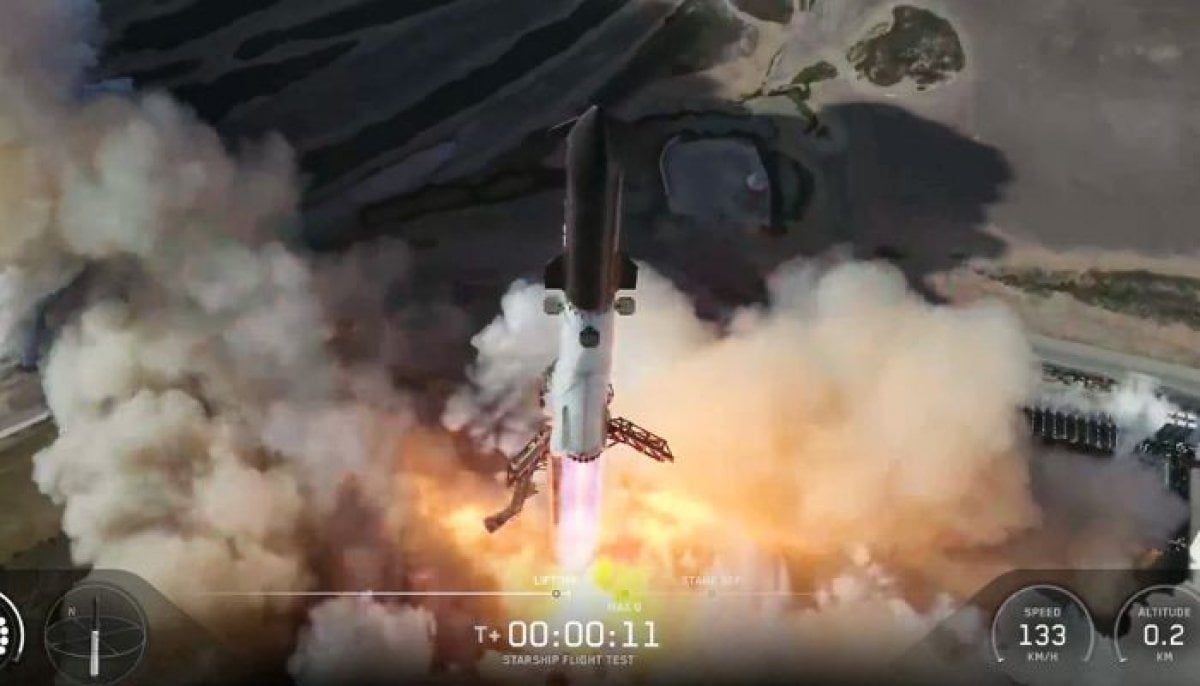 What happened during SpaceX’s 13th Starship test? First upgraded Starlinks successfully deployed
 -
 Astronomers may have found the first moon beyond our solar system
 -
 Space datacenters could catastrophically pollute Earth, groups warn
 -
 Astronomers just solved a 10-billion-year-old Milky Way mystery
 -
 Why China is crashing a spacecraft into asteroid 2015 XF261