How to see NASA’s SLS rocket before the Artemis II launch: Here’s everything to know
NASA’s Artemis II SLS rocket is visible on its Florida launch pad ahead of a 10-day journey that will send four astronauts around the moon
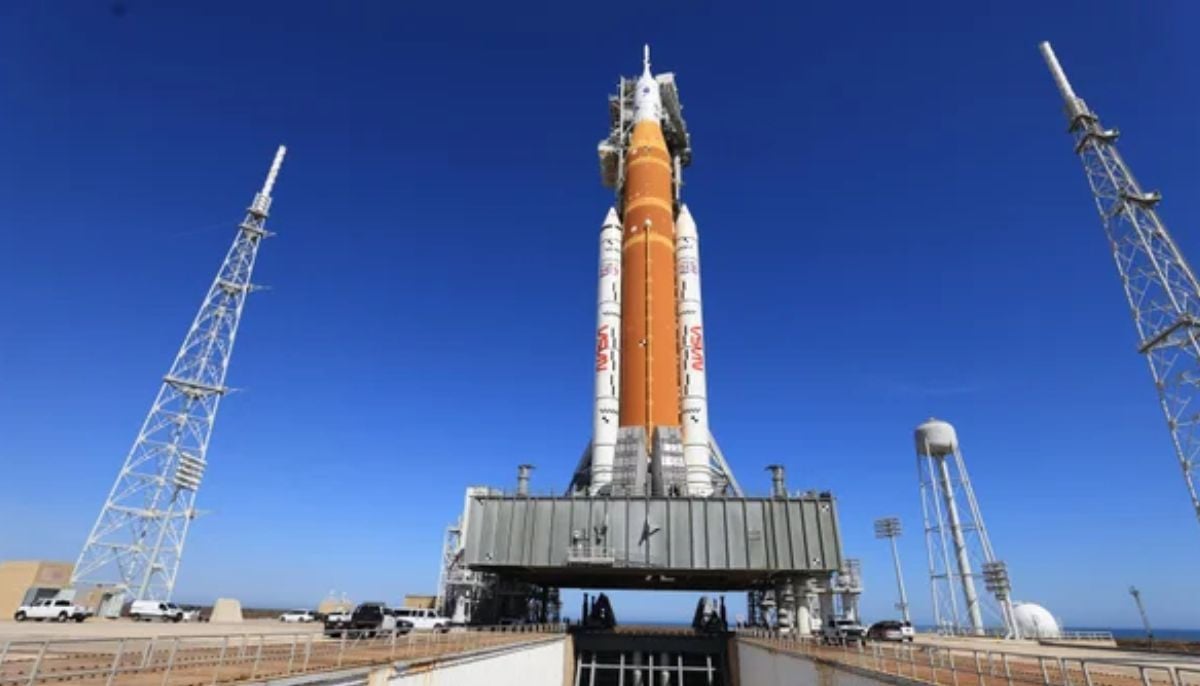
The Artemis II mission is a historic milestone, marking the first time in over 50 years that humans will return to the vicinity of the moon. Targeted for as early as April 1, 2026, the flight features four astronauts: Commander Reid Wiseman, Pilot Victor Glover, and Mission Specialists Christina Koch and Jeremy Hansen.
The mission is a 10-day flight around the moon to test systems for future lunar landings. It marks the first crewed lunar mission since Apollo 17 in 1972 and serves as a precursor to Artemis IV, which aims to land humans on the moon in 2028. The SLS (Space Launch System) rocket faced setbacks including hydrogen leaks and helium flow obstructions, requiring a rollback to the Vehicle Assembly Building (VAB) in February. Launch timing was also affected by investigations into the Orion spacecraft’s heatshield, which experienced issues during the uncrewed Artemis 1 re-entry in 2022.
If we take a closer view, the Kennedy Space Center Visitor Complex’s bus tour drops visitors off at the Gantry at 39A, which sits approximately one mile from Pad 39B. Afterward, history meets the present as visitors then board the bus again and travel to the Apollo Saturn V Center. There guests can learn about NASA’s first missions to the moon and have the chance to stand under a real Saturn V rocket.


-
 Can cancer drugs be made in space? Here’s what the new mission aims to find out
 -
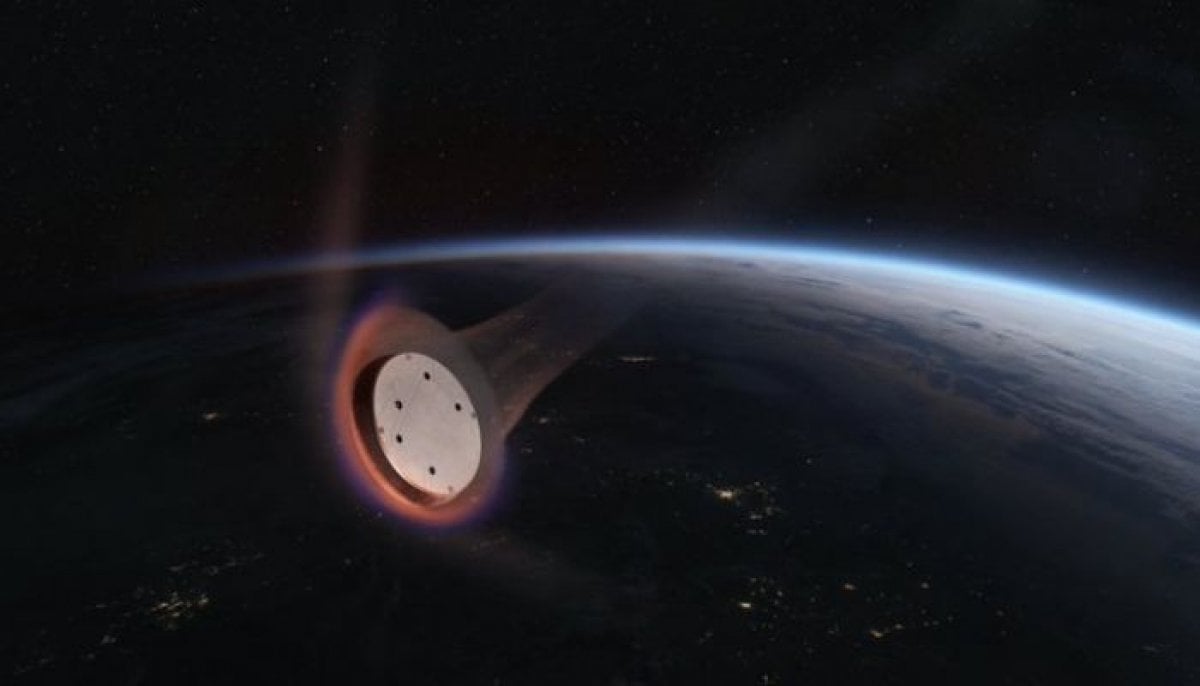 SpaceX Falcon 9 successfully launches Bandwagon-5 mission with 32 payloads
 -
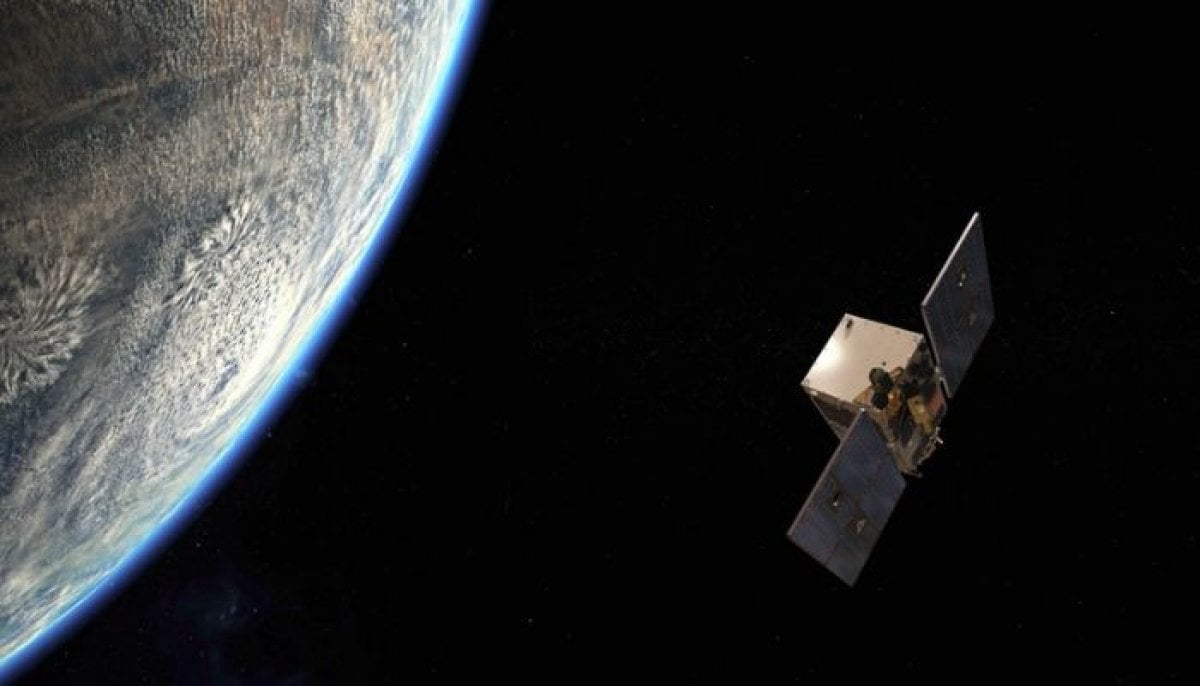 Europe launched 8 orbital rockets last year, can it rival Starlink?
 -
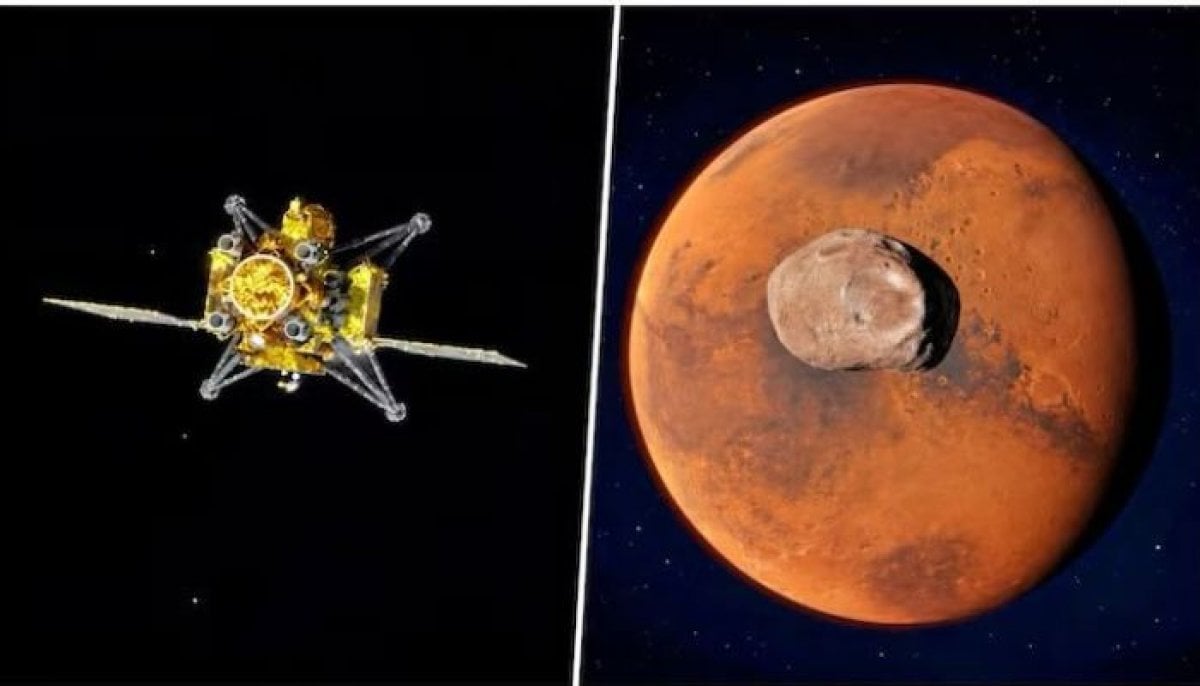 Japan launches world’s first mission to bring sample back from phobos
 -
 Orionid meteor shower 2026: Peak date, viewing tips and what to expect
 -
 Why Mars looks blue in NASA’s unedited curiosity panorama?
 -
 Blue Origin upgrades new Glenn rocket launch infrastructure to take on SpaceX
 -
 NASA’s next Mars mission targets Phobos and Deimos, not Red Planet