Scientists discover more moons orbiting Jupiter, Saturn
Tiny, distant moons discovered using advanced telescopes highlight rapid progress in space observation
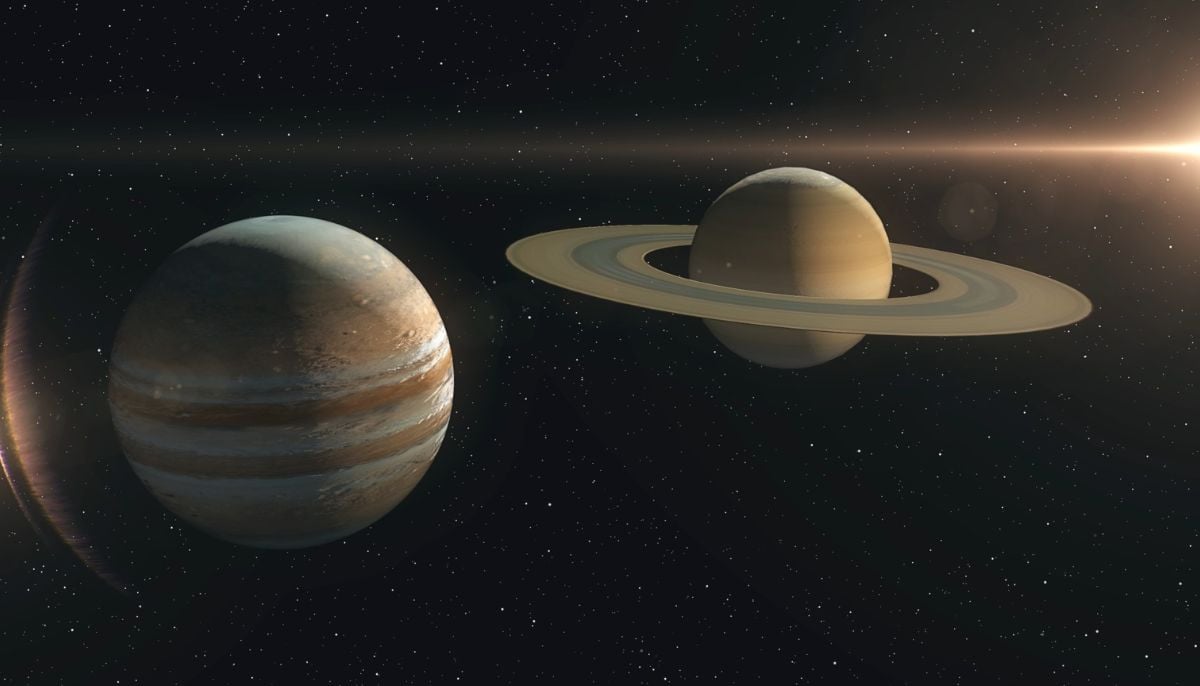
Most people do not understand that the solar system contains more objects than they typically anticipate. Scientists have confirmed for many years that Jupiter and Saturn possess multiple natural satellites, but recent research has uncovered many uncharted celestial objects.
The most recent research uncovered 15 additional moons, which brought Saturn's moon count to 285 and Jupiter's total to 101, while the overall solar system moon count reached 442 known moons.
Jupiter and Saturn's new moons
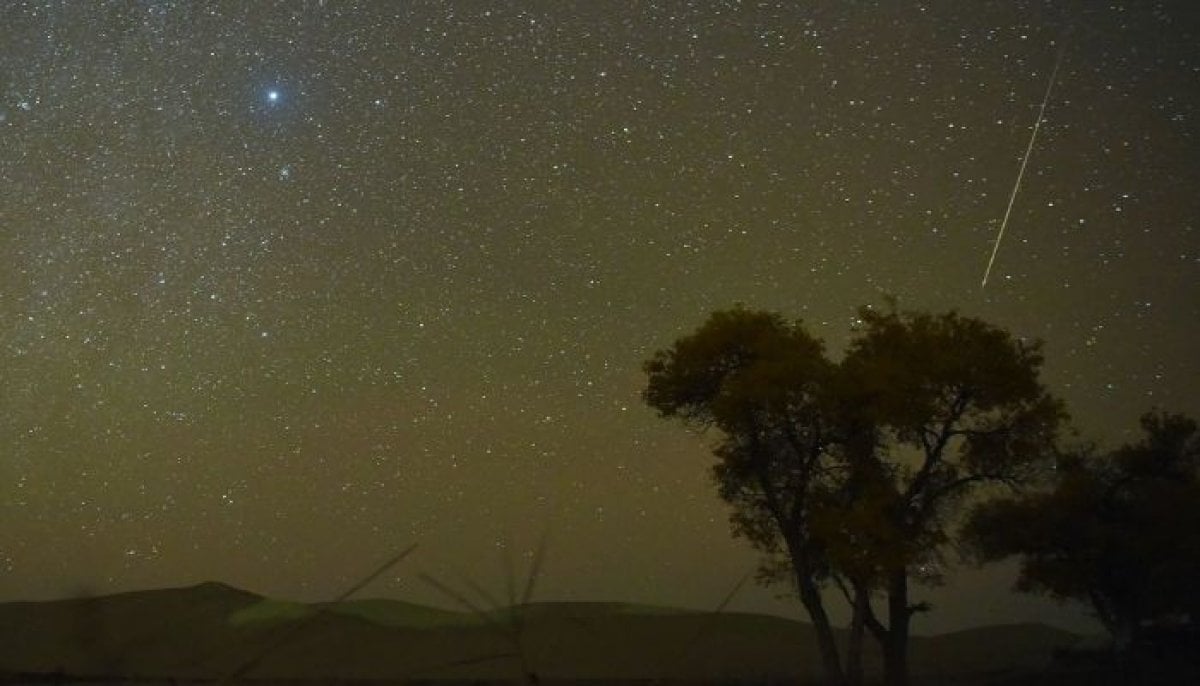
The newly found moons have a diameter of less than 3 kilometres, which makes them one of the smallest discovered moons. The tiny moons orbit their parent planets at distances that exceed the standard range of major known moons, which causes their brightness to decrease so much that backyard telescopes cannot detect them.
Their brightness falls between magnitude 25 and 27, compared to Earth’s moon at magnitude -12.6. Scott Sheppard and David Tholen discovered Jupiter’s four new moons using powerful telescopes in Chile and Hawaii.
The discovery of 11 new moons which orbit Saturn was made by Edward Ashton and his research team, who used a telescope located in Hawaii. The team of astronomers has discovered more than 200 moons which exist throughout the solar system.
Jupiter currently holds 101 moons, but Saturn has 285 moons, and the upcoming Europa Clipper and JUICE missions, which will arrive in the early 2030s, will likely discover additional moons. Earth has one moon, while Mars possesses two moons, Uranus has 28 moons and Neptune contains 16 moons, and Venus and Mercury have no moons.


-
 Scientists develop technology to send smells through phones
 -
 Earth’s close encounter with giant asteroid Apophis is less than 3 years away
 -
 Chinese astronomers discover real-life three-body system unlike Liu Cixin’s fiction
 -
 Hunter’s Moon 2026: When and how to watch October’s full moon
 -
 Elon Musk’s Mars colonization dream faces reality check from Nobel laureate
 -
 NASA competition model 2.0 cuts mission selection by 45%
 -
 A ‘neglected’ neutrino may hold the key to why the Universe exists
 -
 Can cancer drugs be made in space? Here’s what the new mission aims to find out