Japan ispace delays NASA-backed moon landing to 2030
Japanese space startup ispace plans five lunar orbiters before attempting a Moon landing
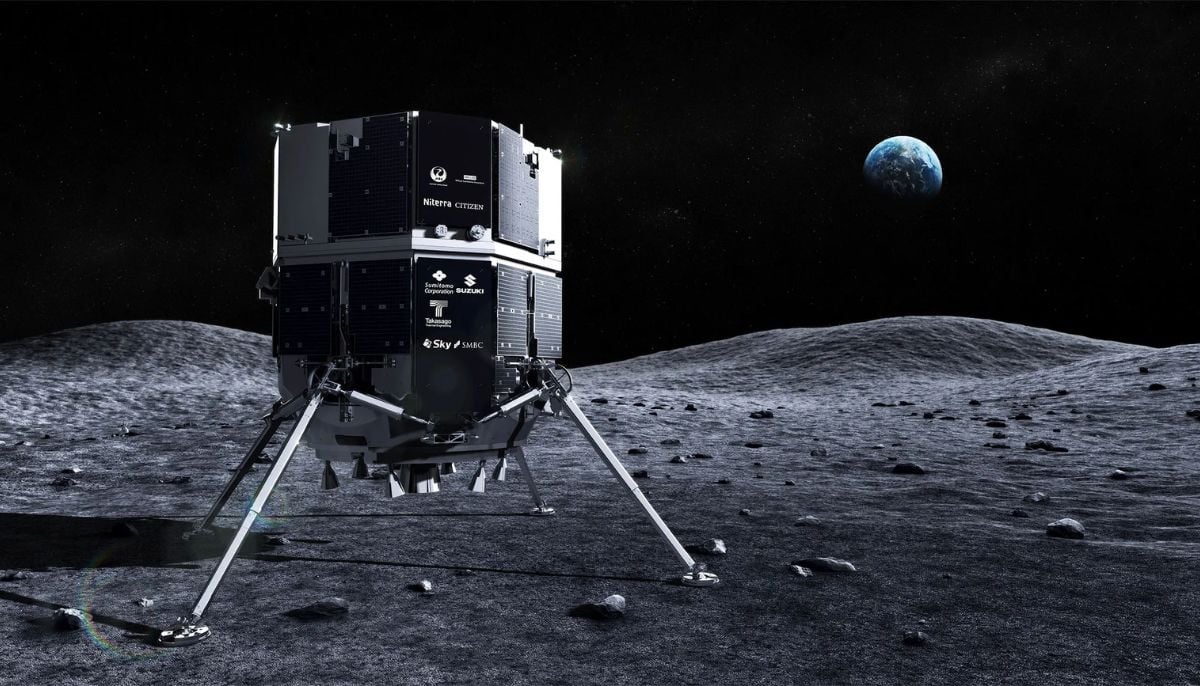
The Japanese spacecraft startup, iSpace (9348.T), has scheduled its first NASA moon landing for 2030 because the company will terminate all operations after two unsuccessful lunar missions. The Tokyo-based company cited strategic restructuring and a focus on lunar orbiters as the reasons behind the shift.
The company, headed by its Chief Financial Officer, Jumpei Nozaki, has announced plans to consolidate moon lander development in both Japan and the US. The company had planned to launch its commercial lunar payload services in partnership with NASA in 2027. The mission has now been delayed by three years.
“We are seeking a greater role in Nasa's Artemis programme as the only private company outside the US with moon landing technology,” Nozaki said.
ispace plans to launch five lunar orbiters before the year 2030. The orbiters will offer telecommunications and navigation and surface observation services to assist in Moon development and infrastructure development.
The changes could end up costing several million dollars, which could necessitate further equity fundraising. ispace is expected to trim a handful of employees from its global workforce, which numbered about 300 employees last year in Japan, the US, and Luxembourg.
Since the 2023 Tokyo stock market listing, ispace has experienced challenges, including two failed moon landings, losses, and a plunge in share prices. iSpace's third mission is set for 2028 under the Japanese government's commercial space programme, using the "Ultra" lunar lander, which can carry 200 kg (441 lbs) payloads.
Only two private US companies, Intuitive Machines and Firefly Aerospace, have successfully landed on the Moon. iSpace's delays underscore the challenges facing international private ventures amid accelerated U.S. lunar programmes and rising competition from China.






-
 Scientists found 'super-puff' planets 1,110 light-years away
 -
 Scientists find ancient microbial life in places it shouldn't exist
 -
 Why Marijuana is suddenly sending thousands of dogs to hospitals in US?
 -
 36 years on, Hubble shows how stars actually change over time
 -
 Hidden magma beneath Mars? Scientists' 'unexpected' discovery raises new questions about alien life
 -
 Rare 3,200-year-old coral blue hole discovered in South China Sea
 -
 What happens at black hole’s event horizon? Scientists find the first-ever clue
 -
 Scientists discover evidence of fires used by humans 1.8 million years ago
-
 Did NASA just uncover evidence of ancient life on Mars? Key discoveries explained
 -
Four powerful earthquakes strike three continents within hours: Scientific link or coincidence?
-
Mysterious interstellar comet passing our solar system may be 12 billion years old, scientists say
-
When do we really become adults? Science has an answer