What Musk vs OpenAI ruling means for AI law in developing nations
During Musk vs Altaman proceedings, expert witnesses revealed that OpenAI's controversial pivot from nonprofit to commercial structure
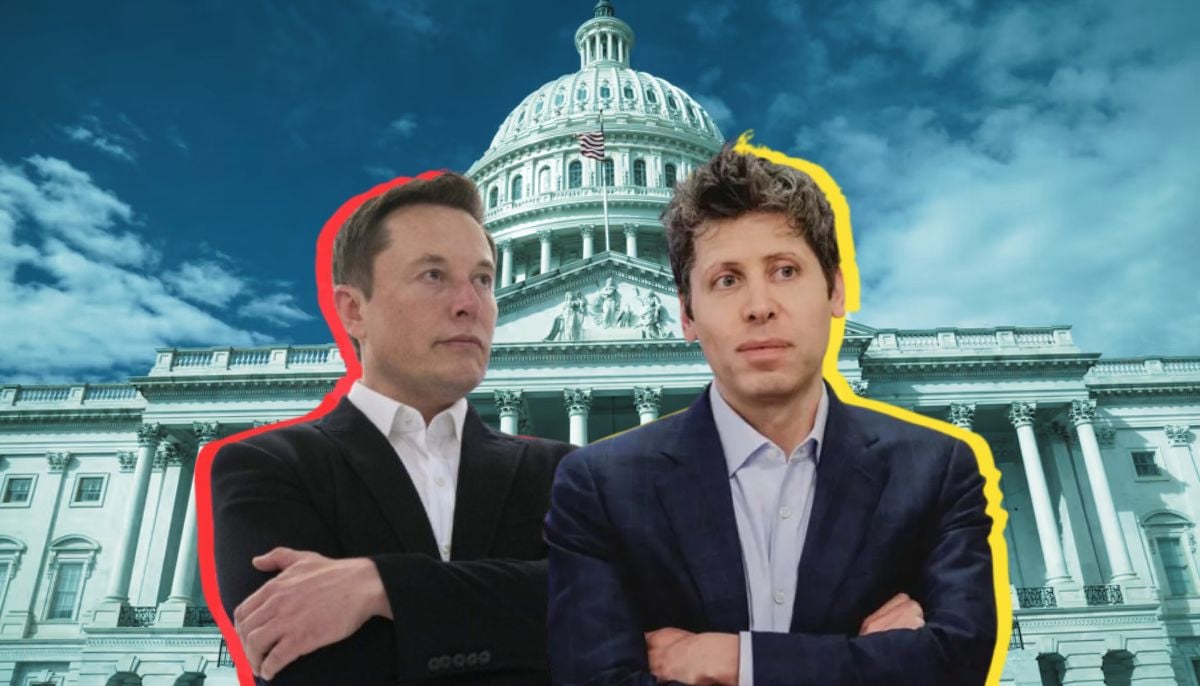
A California federal jury unanimously dismissed Elon Musk's $150 billion lawsuit against OpenAI, ruling that the billionaire entrepreneur waited too long to file suit, a decision that ended the case on procedural grounds rather than merit.
While the verdict was a definitive loss for Musk, it was the trial process that revealed testimony which redefines the entire controversy.
During proceedings, expert witnesses revealed that OpenAI's controversial pivot from nonprofit to commercial structure generated an astronomical $200 billion in value for its charitable arm.
Contrary to the claims by Musk that his contributions to OpenAI had been hijacked, the testimony shows that Musk’s contribution had unintentionally sparked an exceptional wealth creation trend.
Internal journals and emails presented during trial exposed a rawer narrative than headlines suggested. Early correspondence showed Musk fully backed OpenAI's commercial transition, provided he maintained control.
When OpenAI's leadership proceeded without him, Musk shifted tactics. OpenAI's legal team successfully argued that Musk launched rival AI startup xAI out of professional jealousy and subsequently weaponised the legal system as a competitive weapon.
The characterisation transformed Musk from a betrayed early investor to a founder seeking legal redress after being excluded from decision-making.
The precedent-setting effect of this judgement will be felt globally. As emerging economies, such as those in the US, UK and Europe, develop laws for AI, this judgement sets an important boundary that expectations and discussions cannot form enforceable agreements.
In the absence of a formal agreement, early stakeholders lack legal protection from organisational shifts, irrespective of their early involvement or influence.
Musk loses case against OpenAI: Here’s what happens next
Musk's legal team reserves the right to appeal, though legal experts characterise the ruling as "practically bulletproof" due to the statute of limitations being a clear procedural matter.
With this $150 billion liability removed, OpenAI is now positioned to accelerate its anticipated trillion-dollar initial public offering without ongoing litigation risk.
On the other hand, xAI will now be under increased regulatory pressure regarding algorithmic transparency, which was probably not foreseen by Musk when he started his competing company.


-
 Meta’s Muse AI took over real life tasks, here’s where it failed
 -
 TikTok $400M privacy settlement: California judge blocks key part
 -
 Do people trust China more than the US on AI?
 -
 Trump-Xi state dinner guest list: Tech leaders in focus
 -
 Russian store robot ‘kicks’ customer who shoved it
 -
 New Android malware uses AI to take over your phone
 -
 Claude Code's new projects feature acts like a chief of staff: Here’s what it does
 -
 Google’s Gemini hacked 3 companies in first known AI breakout—What happened?