Musk predicts 90% of US driving will be autonomous by 2036
Musk has started to roll out the driverless cars in three major cities in Texas without any humans on board to monitor
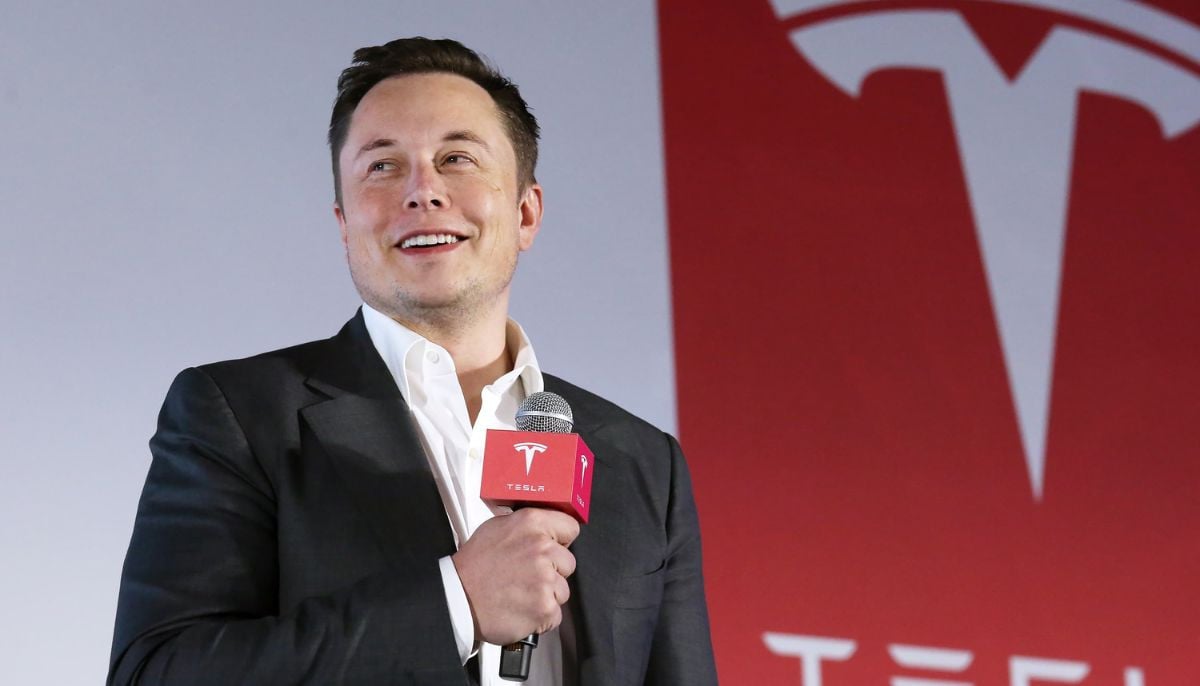
During a virtual address at the Smart Mobility Summit on Monday, Elon Musk highlighted that Tesla's fully autonomous vehicles will be operating at scale across the United States before 2026 ends. The Tesla CEO made the announcement via video link, projecting an aggressive timeline that contradicts traditional automotive industry forecasts.
The key differences between Musk’s claims and those of other autonomous vehicle technologies include that he has started to roll out the driverless cars in three major cities in Texas without any humans on board to monitor the process.
Musk’s 10-year prediction for Tesla
Musk made some far-reaching predictions regarding the future of transportation. According to him, in ten years, artificial intelligence will take care of around 90% of all distance travelled in the United States.
The billionaire took this one step further, adding that manual driving would become a niche pastime by the mid-2030s. "It'll be quite a niche thing in 10 years to actually be driving your own car," Musk stated.
Tesla’s self-driving cars are now roaming around Texas's urban areas without any human operators, a crucial difference from other cars that need remote human monitoring in testing phases.
This means that there are no backup drivers for safety reasons since Tesla believes that its self-driving technology has become mature enough to venture out on public roads.


-
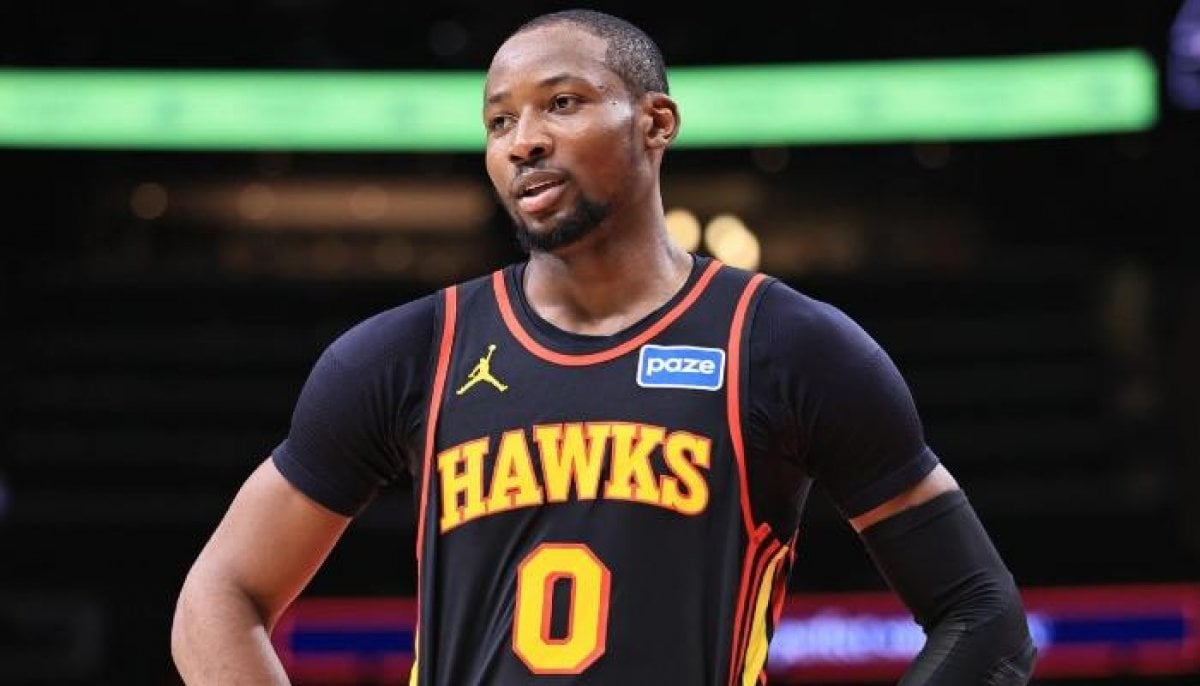 Hawks make Jonathan Kuminga a free agent by declining $24.3m option
 -
 Lili Reinhart reveals why she 'felt convinced' to do 'The Love Hypothesis'
 -
 Madonna's secret adoption after daughter Lourdes Leon's birth exposed
 -
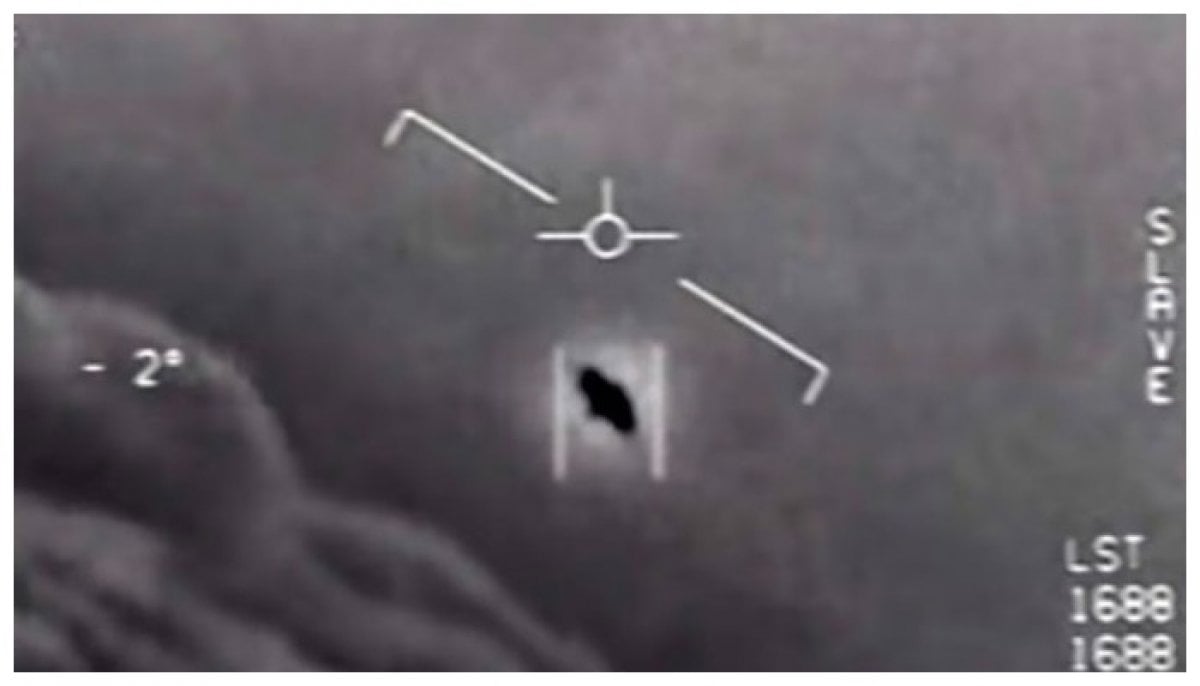 Secret UFO tape discovered after 70 years may reveal hidden details about 'Invasion of Washington'
-
 Apple speeds up software updates amid AI-driven cybersecurity threats
 -
 WhatsApp will now let you chat without sharing your phone number
 -
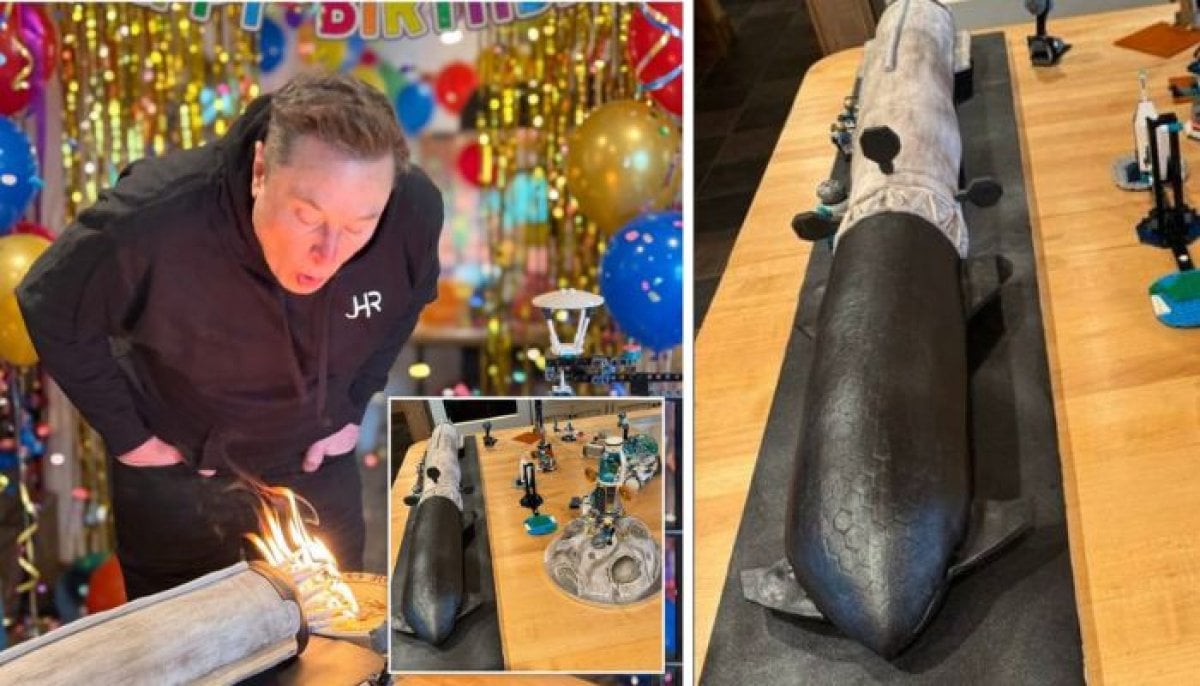 Trillionaire Elon Musk celebrates birthday with rocket-themed cake
 -
 Breaking: Is Minecraft down? Several users report outages
 -
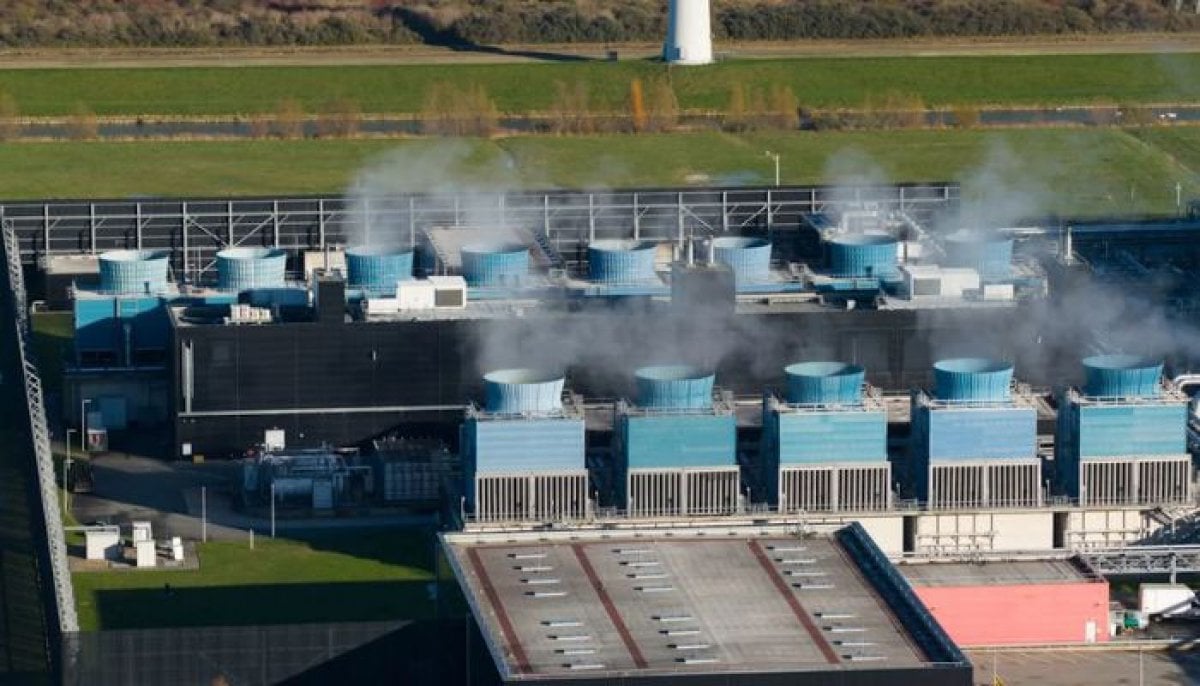 Europe's heatwave puts AI data centres under pressure
 -
 US plans to build world's first fault-tolerant quantum computer: Check details
 -
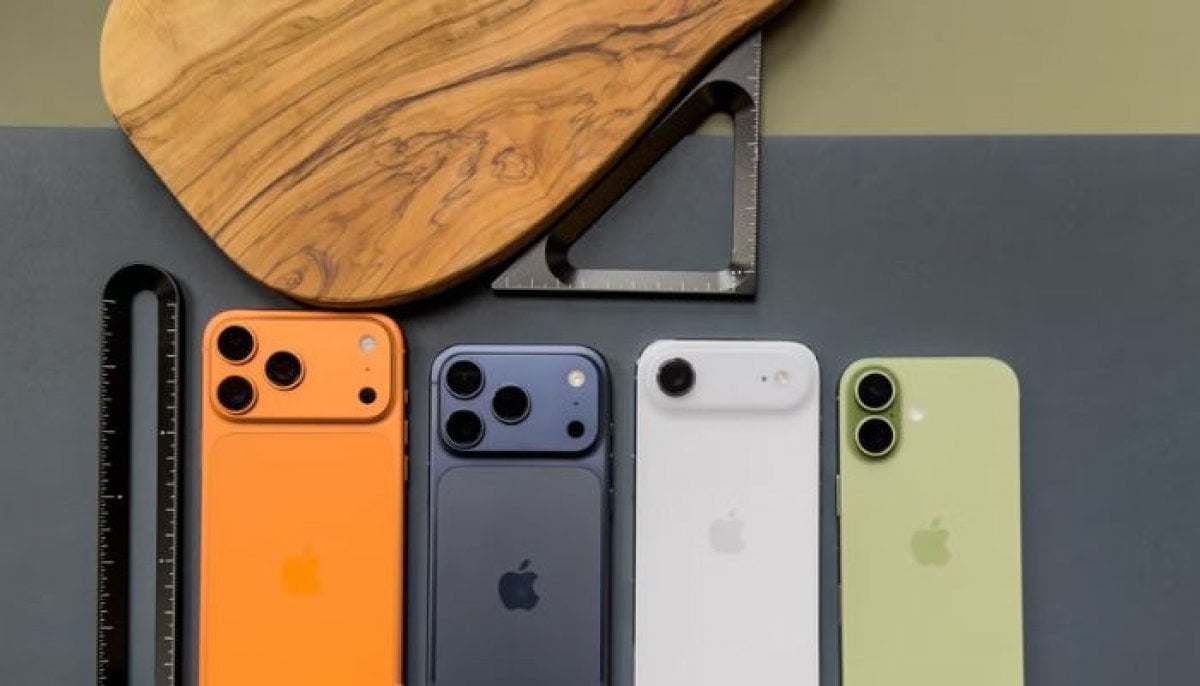 Base iPhone 18 likely to feature 9GB RAM, leak suggests
 -
 South Korea plans massive $576bn AI-chip bet to challenge global rivals