Northern lights wane, but watch for midnight surprise to dazzle the sky
Skygazers can catch a glimpse of the northern lights if they follow the latest aurora forecast and are in the right place at the right time
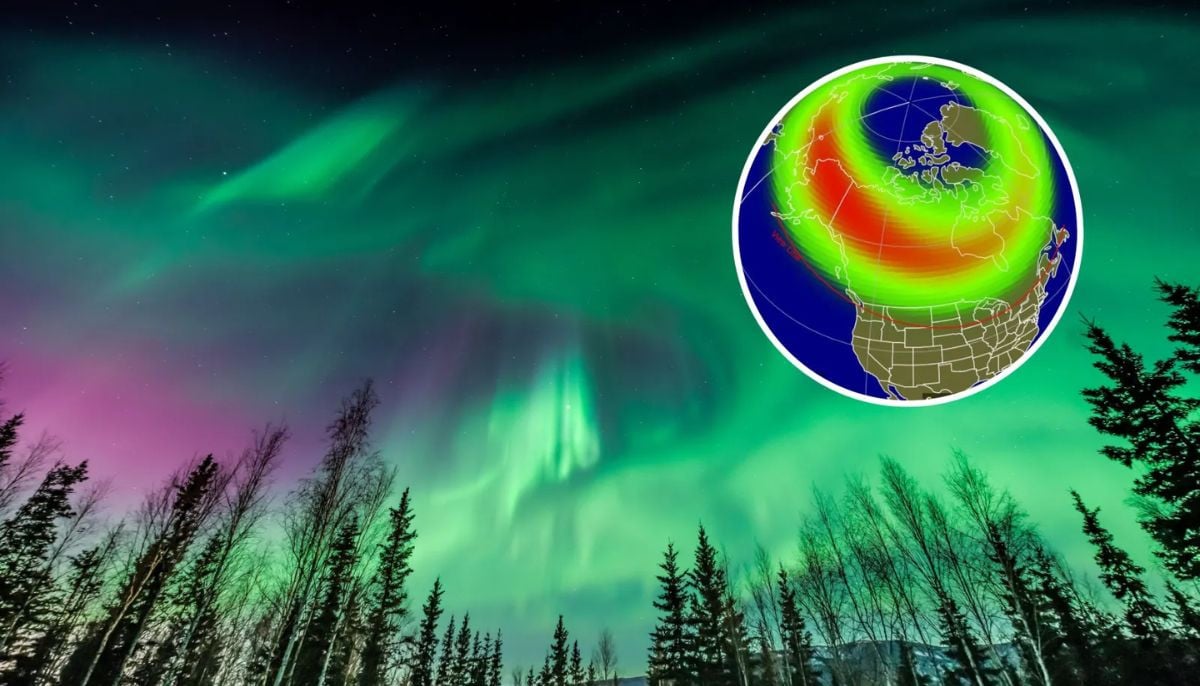
The northern lights may still be visible tonight, though the intense geomagnetic storming from the weekend is beginning to fade. NOAA forecasters expect unsettled to active conditions with a possibility of isolated minor (G1) storming early in the night.
There is a low-confidence chance that a Coronal Mass Ejection (CME) from March 22 could deliver a glancing blow to Earth tonight. If it hits, it could cause a brief and significant uptick in aurora brightness.
Skygazers can watch for a higher Kp index, which indicates stronger auroral activity and a further southward reach. However, the most crucial factor is a strong southward Bz. This allows solar particles to connect with Earth’s northward-pointing magnetic field, wreaking havoc and raining energized particles into the atmosphere to create light.
Earth is currently experiencing solar winds from coronal holes, which are keeping the atmosphere reverberating and sensitive to even small solar nudges. It is recommended to use tools like Space Weather Live to track real-time solar wind data.
Stargazers should keep their camera batteries charged, even as a brief enhancement in activity can produce photographic results. If a solar hit arrives at the right time and with favorable conditions, it could briefly enhance aurora activity. As Earth’s magnetic field is still reverberating from the weekend’s activities, even a small nudge could make a noticeable difference.






-
 Scientists found 'super-puff' planets 1,110 light-years away
 -
 Scientists find ancient microbial life in places it shouldn't exist
 -
 Why Marijuana is suddenly sending thousands of dogs to hospitals in US?
 -
 36 years on, Hubble shows how stars actually change over time
 -
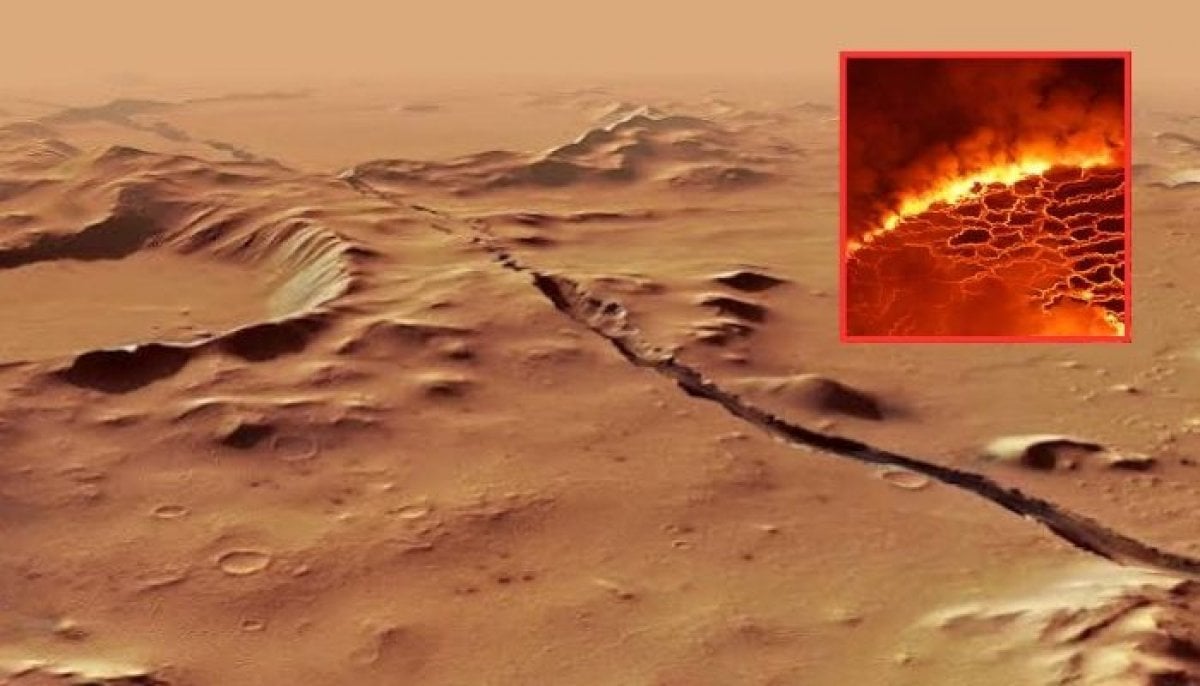 Hidden magma beneath Mars? Scientists' 'unexpected' discovery raises new questions about alien life
 -
 Rare 3,200-year-old coral blue hole discovered in South China Sea
 -
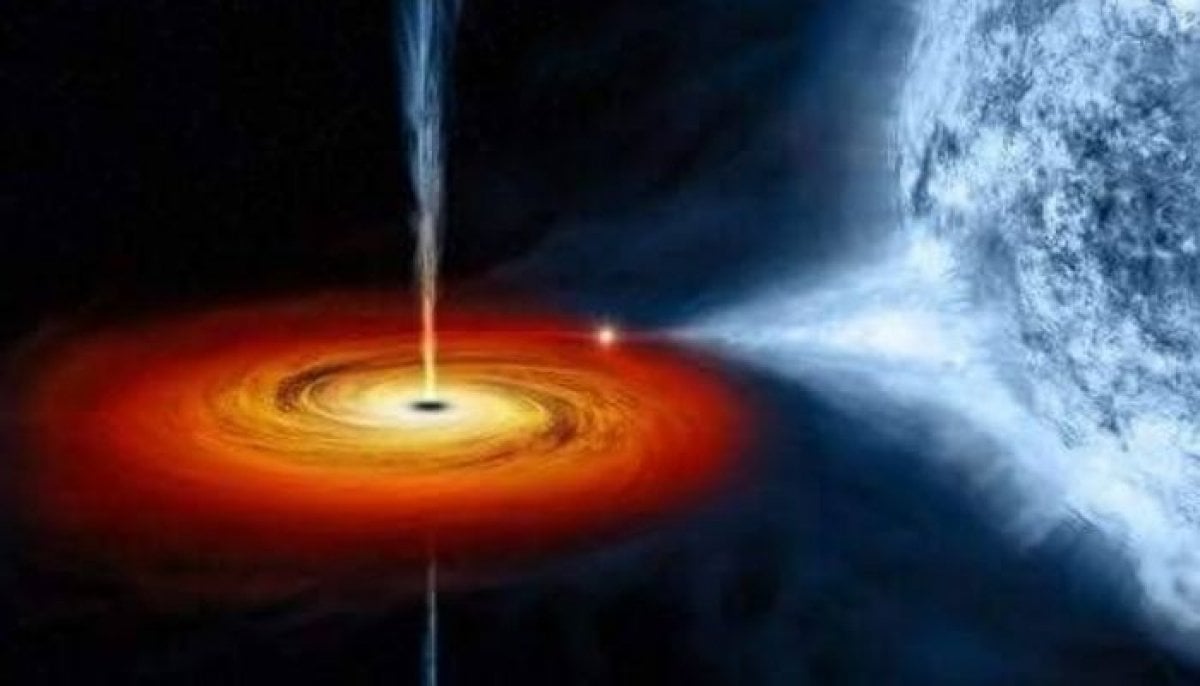 What happens at black hole’s event horizon? Scientists find the first-ever clue
 -
 Scientists discover evidence of fires used by humans 1.8 million years ago
-
 Did NASA just uncover evidence of ancient life on Mars? Key discoveries explained
 -
Four powerful earthquakes strike three continents within hours: Scientific link or coincidence?
-
Mysterious interstellar comet passing our solar system may be 12 billion years old, scientists say
-
When do we really become adults? Science has an answer