NASA, South Korea team up for L4 deep space exploration mission
In September 2024, both parties signed a cooperation agreement to explore Sun-Earth Lagrange point 4
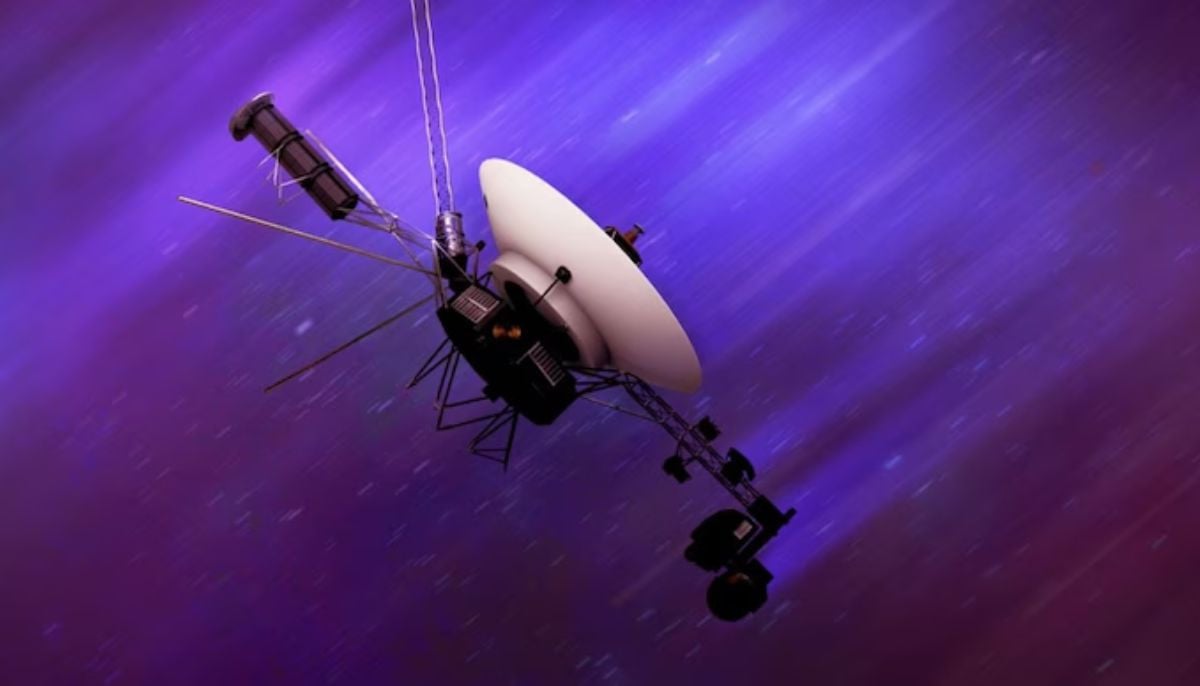
The U.S. National Aeronautics and Space Administration (NASA) and the Korea AeroSpace Administration (KASA) have joined hands to expand its joint research on L4 & deep space exploration, and space weather.
According to the South Korean space agency, the 2nd KASA-NASA Bilateral Team Meeting for Deep Space Exploration will take place from March 24 to March 27 at the Korea Astronomy and Space Science Institute.
In September 2024, both parties signed a cooperation agreement, aiming to facilitate the Sun-Earth Lagrange point 4 (L4) exploration.
In the scientific community, Lagrange points, ranging from L1 to L5, are gaining significant attention as the probe can stay in this region with relatively less fuel. At this point, the gravitational forces of the Sun and Earth and the orbital motion of a spacecraft remain balanced.
The researchers belonging to NASA, ESA (European Space Agency) and KASA have proposed L4 as an suitable observation point for evaluating and predicting space radiation from solar activity.
The observations from multiple directions in conjunction with existing observation points between the Sun and Earth (L1) and on the far side of Earth (L5) can greatly improve the accuracy of space weather.
Noh Kyung-won, Vice Administrator of KASA, said, "Since the launch of KASA, the Korea-U.S. collaboration in deep space exploration has rapidly expanded from the L4 mission concept to areas like deep space optical communication. We will use this meeting as an opportunity to devise multifaceted support measures so that researchers from both countries can incrementally advance a broad program of joint deep space exploration."
Key areas of deep space exploration
The joint mission will focus on space weather, space radiation, and space optical communication along with a long-term plan for the establishment of the L4 heliospheric observatory and its space weather observation payloads.


-
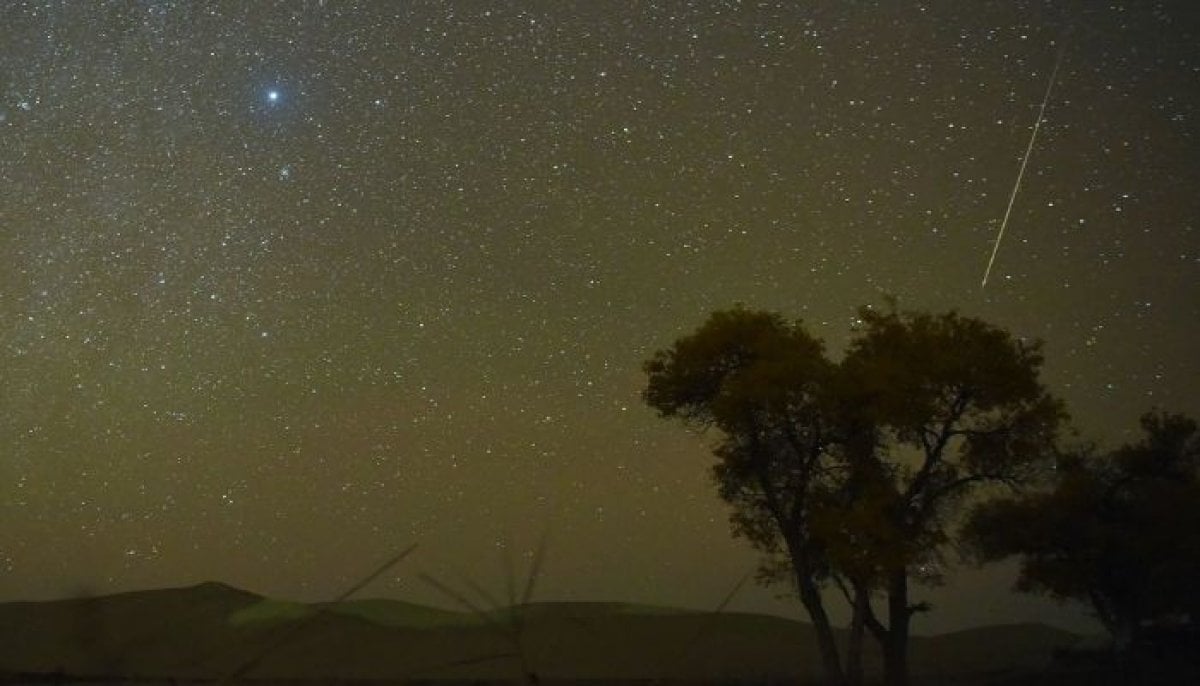 Orionid meteor shower 2026: Peak date, viewing tips and what to expect
 -
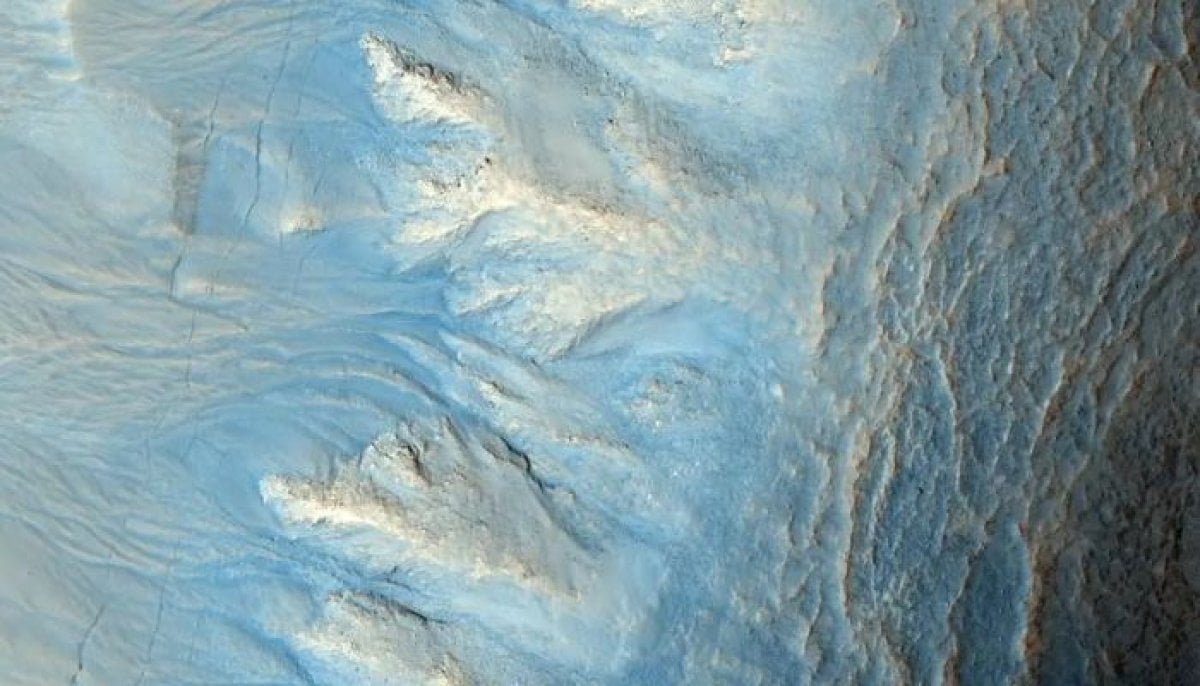 Why Mars looks blue in NASA’s unedited curiosity panorama?
 -
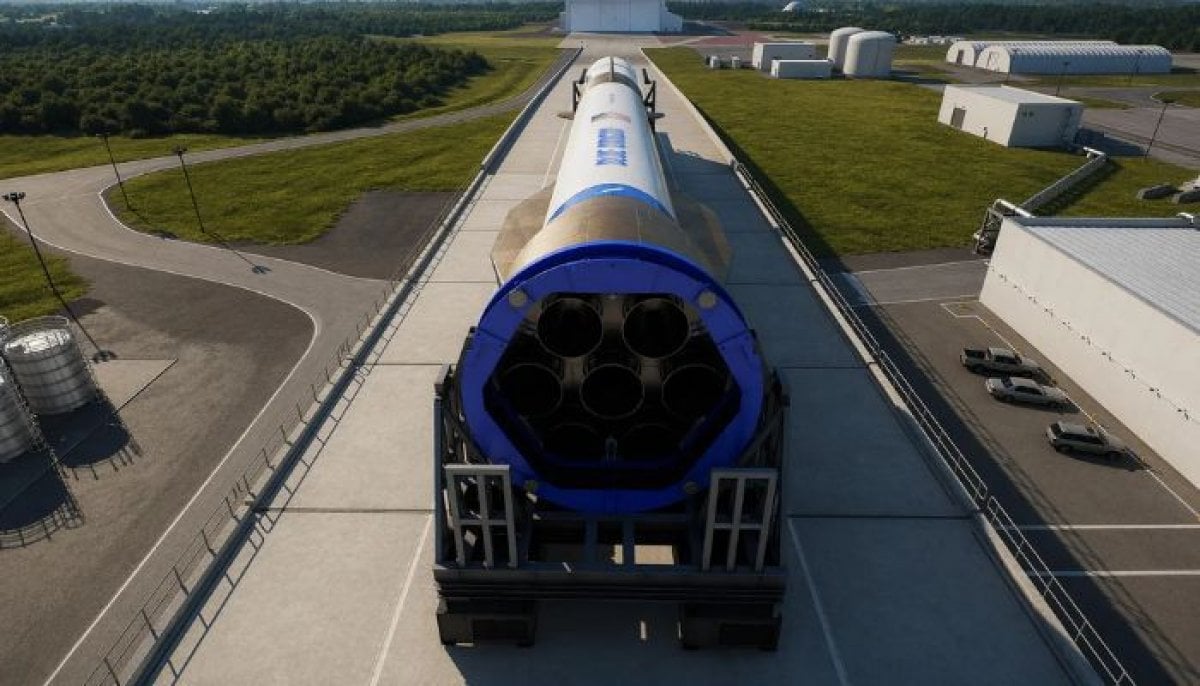 Blue Origin upgrades new Glenn rocket launch infrastructure to take on SpaceX
 -
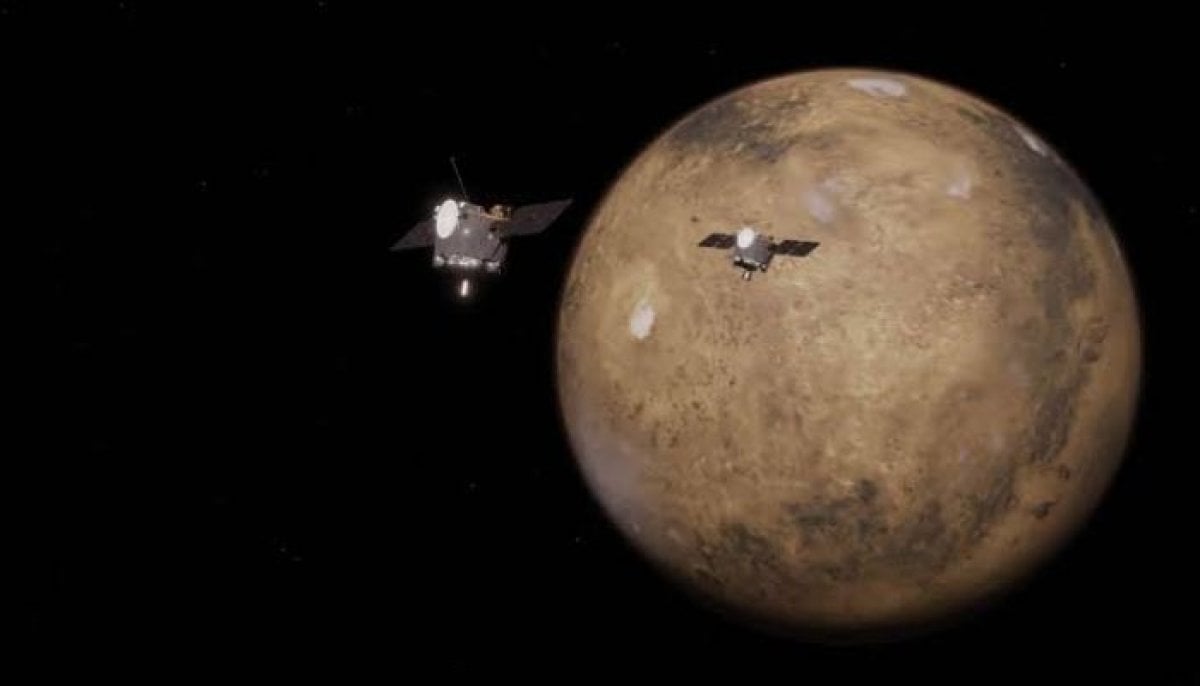 NASA’s next Mars mission targets Phobos and Deimos, not Red Planet
 -
 Is AI ready to rewrite our understanding of physics?
 -
 Astronomers identify possible first green star in 27 years of research
 -
 New study sounds alarm as Doomsday Glacier melts more aggressively than thought
 -
 Hubble data hints at planet born after its star died