
Lions are no pets
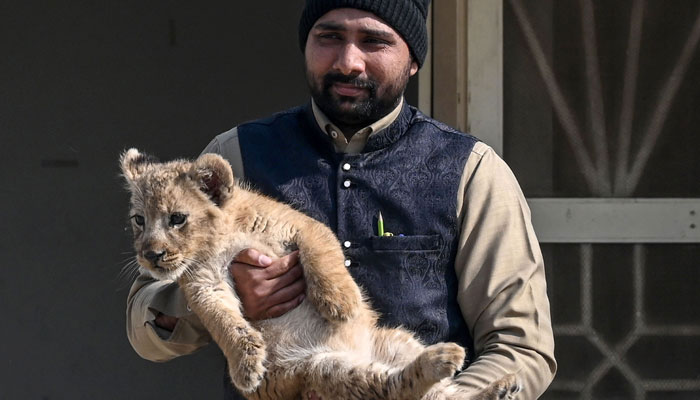
In a country where zoos often fail to provide adequate care for the animals under their charge, some individuals believe they are up to the challenge. They are, of course, deeply mistaken. The attempt to keep dangerous wild animals in one’s home as pets can only lead to disastrous outcomes for the owners, their neighbours and the animals themselves. To get a vivid example of what such an outcome looks like, one need go no further than the 11-month-old pet male lion that escaped from its home last week and chased a woman and two children down a busy street in Lahore. The harrowing video of the incident on social media shows the lion pouncing on the woman after which the animal turned to two children and clawed their arms and faces. Thankfully, none of the victims were in a critical condition. Three men were arrested in relation to the incident and the lion was confiscated and sent to a wildlife park. This is not the first time the country has seen such incidents. Back in 2023, an adult lion escaped from a private vehicle in Karachi amidst heavy traffic and a leopard allegedly being kept as a pet was seen attacking residents of a private housing society in Islamabad after escaping.
What exactly is driving this unsafe private market for dangerous, wild pets? Part of the answer might lie with social media. One can easily come across short videos where people, most often men, are standing next to and/or playing with dangerous carnivores, such as tigers and leopards. Typically, such videos feature guns or luxury cars being showcased. But the big cat is fast becoming a substitute and some lions were even seen being brought to a political rally in 2022. This is a potentially deadly way for people to chase clout. These animals are not toys to be paraded for likes and shares but real living beings with complex emotions. They are unsettled by loud noises and crowds and will take the chance to escape if one presents itself. Earlier this year, the Punjab cabinet reportedly issued minimum standards for keeping ‘big cats’ and began issuing possession licences, with a fee of Rs50,000 per animal. It also banned the display of these animals on social media. It would have been preferable to outright ban the sale and purchase of such animals by and to private individuals. Pakistani authorities are not exactly good at enforcing standards and a Rs50,000 licence seems quite low. The latest lion incident in Lahore has triggered a crackdown on illegal wildlife possession that has, in just a few days, led to the recovery of 13 lions and the arrests of five people. The country clearly has an illegal wildlife possession problem on its hands.
While zoos might be the only answer for animals born in captivity and/or those whose habitats have been destroyed by human activities like deforestation, they are still not ideal. Confined spaces generally do not do good things to the mental and physical health of wild animals. Given the challenges and dilemmas zoos face, people keeping wild animals in their homes should absolutely be out of the question. Anyone caught keeping a wild animal in their home needs to be punished, along with those who sold the animal. Trying to regulate the private ownership of wildlife might only lead to more incidents like the one in Lahore.







-
 Melania Trump Appears With Humanoid Robot At White House
 -
 ‘Addictive By Design’: Meta, YouTube Found Liable In Historic Verdict
 -
 Bruce Willis' Mom Marlene Makes Another Family Amid Son's Battle With Dementia
 -
 Roblox Safety Warning For Parents: Developer Says Kids Need 24/7 Monitoring
 -
 Chelsea Handler Explains Why She Dates Younger Men
 -
 Chappell Roan's Security Guard Takes 'full Responsibility' For His Interaction With Jorginho's Daughter?
 -
 Rosalía Cuts Concert Short Over Sudden Illness, Fans Shocked
 -
 'Buffy' Star Nicholas Brendon's Death Case Takes Massive Turn
 -
 FKA Twigs Takes Legal Stand Against Ex Shia LaBeouf
 -
 ‘Progressive’ Kate Middleton Snubs Outdated Royal Etiquette
 -
 Kylie Kelce Explains Why She Avoids Raising Kids With 'silver Spoon'
 -
 Meghan Markle Is Above Royal Family ‘empty Threats,’ Says Insider
 -
 Anne Hathaway Opens Up About 'defeated' Feeling As Working Mom
 -
 Shamed Andrew Should Testify In Epstein Case As ‘act Of Service’
 -
 What Really Happened Before Nicholas Brendon Was Found Dead At Home?
 -
 Sarah Ferguson Branded ‘most Famous Missing Person’ In UK Right Now