
IMF being persuaded to drop demand for hike in duty on fertiliser
If IMF agrees in writing, then FED on fertiliser will remain at existing rate of 5% in upcoming budget for 2025-26
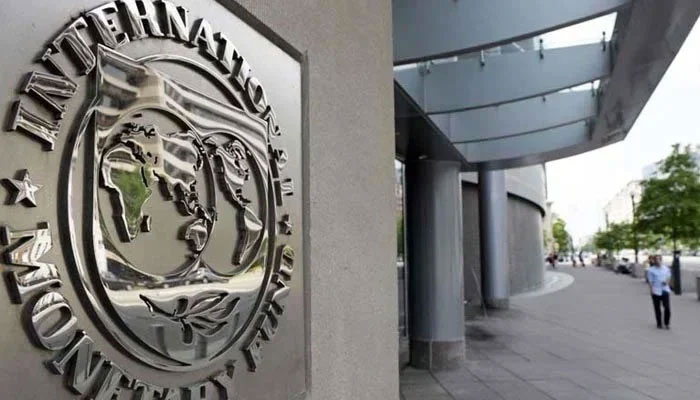
ISLAMABAD: Pakistan’s budget makers are heading towards convincing the IMF to drop demand for jacking up the Federal Excise Duty (FED) on fertiliser from 5 to 10 percent in the coming budget.
Prime Minister Shehbaz Sharif and his economic team, led by Minister for Finance Muhammad Aurangzeb, have played an important role in pursuing and convincing the IMF of this expected relief on the farm input.
If the IMF agrees in writing, then the FED on fertiliser will remain at the existing rate of 5 percent in the upcoming budget for 2025-26. The proposal of the imposition of a 5 percent FED on pesticides is also likely to be dropped in the next budget after the intervention made by the PM Office.
The Prime Minister also instructed the Federal Board of Revenue (FBR) to evaluate the proposed tariff rationalisation plan at the import stage and come up with accurate calculations that how much it might increase the import bill.
The FBR had already expressed its apprehensions that the reduced import tariff might cause mis-declaration of goods to avoid other taxes, such as withholding taxes and GST at the import stage.
However, the IMF has so far refused to allow the tax exemption for erstwhile FATA/PATA, and General Sales Tax (GST) is going to be imposed in the coming budget. But the political pressures still continue for the continuation of tax exemption.
“We expect that the GST at a reduced rate might be imposed in FATA/PATA in the upcoming budget,” said the official and added that the GST rate of 12 percent might be slapped in the Finance Bill 2025-26.
It was really hard for the budget makers to convince the IMF on a point which was already agreed and incorporated in the last report, whereby the IMF clearly stated that the FED on fertiliser will be increased from 5 to 10 percent in the FY26 Budget. It was also agreed to impose 5 percent FED on pesticides.
PM Shehbaz and the economic team convinced the IMF that the Agriculture Income Tax (AIT) was amended by all four provinces, and its collection would kick-start from the next budget.
At this point, when the agriculture sector was facing difficulties owing to low growth, the imposition of AIT and increased tax rate on farm inputs such as fertiliser and pesticides simultaneously would definitely further aggravate the farm productivity and efficiency in the country.
It seems that the Pakistani side has been able to convince the IMF to avoid an increase in the FED on fertiliser and the imposition of a tax on pesticides. The IMF did not agree to the continuation of tax exemption for FATA/PATA anymore from the next budget. This proposal for the imposition of GST was dropped on the eve of the last budget in 2024-25 when one federal minister sternly opposed it in the federal cabinet meeting on the date of approval of the budget and announcement in Parliament, thus managing for exemption for another fiscal year. But now the IMF does not seem in the mood to grant any further extension for exemption in FATA/PATA.







-
 Giant Tortoise Reintroduced To Island After Almost 200 Years
 -
 Eric Dane Drops Raw Confession For Rebecca Gayheart In Final Interview
 -
 Trump Announces New 10% Global Tariff After Supreme Court Setback
 -
 Influencer Dies Days After Plastic Surgery: Are Cosmetic Procedures Really Safe?
 -
 Eric Dane Confesses Heartbreaking Regret About Daughters' Weddings Before Death
 -
 Nicole 'Snooki' Polizzi Reveals Stage 1 Cervical Cancer Diagnosis
 -
 Hilary Duff’s Son Roasts Her Outfit In New Album Interview
 -
 Alexandra Daddario, Andrew Form Part Ways After 3 Years Of Marriage
 -
 Eric Dane Rejected Sex Symbol Label
 -
 Avan Jogia Says Life With Fiancee Halsey Feels Like 'coming Home'
 -
 Kate Middleton's Role In Handling Prince William And Harry Feud Revealed
 -
 Tucker Carlson Says Passport Seized, Staff Member Questioned At Israel Airport
 -
 David, Victoria Beckham Gushes Over 'fiercely Loyal' Son Cruz On Special Day
 -
 Taylor Swift Made Sure Jodie Turner-Smith's Little Girl Had A Special Day On 'Opalite' Music Video Set
 -
 Eric Dane Says Touching Goodbye To Daughters Billie And Georgia In New Netflix Documentary
 -
 Channing Tatum Reveals What He Told Daughter After Violent Incident At School