
Protecting childhood
Marriage is not just social contract but lifelong partnership that requires emotional maturity
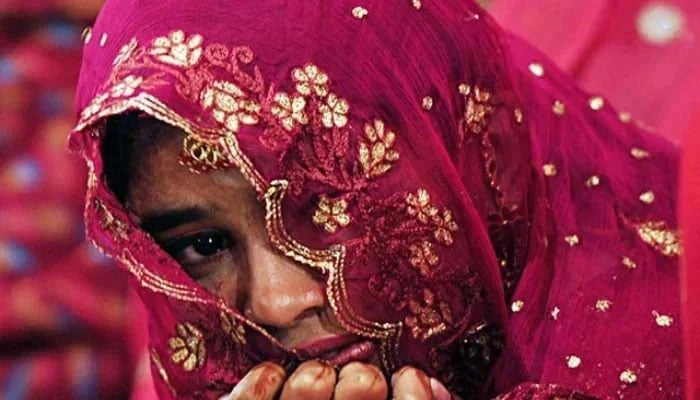
President Asif Ali Zardari signed the Child Marriage Restraint Bill, 2025, into law in a move that deserves both recognition and unwavering support. The bill sets the minimum age of marriage at 18 in Islamabad, aligning with international standards and marking a significant step toward safeguarding the rights and well-being of children, particularly girls. Despite fierce opposition from the Council of Islamic Ideology (CII), which rejected the bill on the grounds of being “un-Islamic” and claimed it was not consulted in the drafting process, the state has finally chosen to act in the interest of human rights. The resistance from the CII, while not new, must not be allowed to derail the implementation of this law. Although the CII has acknowledged the harms of underage marriage and suggested it should be discouraged, its objections rest largely on interpretations that ignore the lived realities of child brides in Pakistan. Too often, these girls are pushed into marriages with men much older than them, forced to abandon their education and burdened with adult responsibilities long before they are ready.
Marriage is not just a social contract but a lifelong partnership that requires emotional maturity, mental preparedness and mutual consent. Our courts have recognised this, ruling against early marriages and underlining the importance of emotional intelligence. A girl who has only just entered adolescence may be biologically capable of bearing children, but she is far from equipped to manage the physical, emotional and psychological demands of marriage and motherhood. The trauma and dependency that often follow early marriages lead to lives of silent suffering, where girls are stripped of agency and locked out of decision-making, even over their own children’s lives. We must stop glamorising child marriage or justifying it through narrow interpretations of religion and culture. The truth is, child marriage robs girls and boys of their childhoods, their futures and, in many cases, their very lives. When girls are married off early, they are pulled out of school, denied a chance to become economically productive, and thrust into cycles of poverty that affect not only their own families but also the broader social fabric of the country.
This is why the Child Marriage Restraint Bill is so important. It offers legal protection to vulnerable girls, sends a clear message about Pakistan’s commitment to child rights, and provides a foundation for broader reforms. But passing a law is not enough – the real test lies in its implementation. Authorities must ensure that the law is strictly enforced and not bypassed through loopholes or localised customs. Education campaigns, community engagement and institutional support are essential in changing long-held perceptions and practices. Every child has the right to health, education, safety and dignity. Marriage should never be imposed on anyone. It must be a choice made freely – and at an appropriate age.







-
 Scientists Discover First Known Transmissible Cancer In Fish
 -
 Conan O'Brien Reveals Reason Behind His New Viral, Slicked-back Hairstyle In Latest Podcast
 -
 Gianni Infantino Reportedly Has Donald Trump's Backing For Top UN Job
 -
 Chinese AI Model’s Role In OpenAI Probe Raises Concerns Over US Guardrails
 -
 Chris Rock Returns Behind The Camera After 12 Years: Teaser Out Now
 -
 Macron Taps Kanye West Hit Track For Bold Social Media Ban On Children
 -
 Jason Kelce On Life After Travis Kelce Started Dating Taylor Swift: Watch
 -
 Prince Harry Under Fire As 11-year-old Remark Resurfaces
 -
 Angelina Jolie Wants Kids To 'heal' As They Navigate Life After Brad Pitt Split
 -
 Southern Water Ex-CEO Charged Over Alleged Wastewater Testing Fraud
 -
 Prince William Upset As Meghan Markle ‘has Part In Tribute To Princess Diana’
 -
 Olandria Carthen, Nic Vansteenberghe Part Ways
 -
 EU Clears Paramount’s $110 Billion Warner Bros. Takeover With Conditions
 -
 Trump Threatens Iranian Infrastructure
 -
 Benicio Del Toro Tapped For First-ever Lead TV Comedy Role As He Joins New Apple TV+ Series
 -
 Mike Tindall Surprises Royal Fans With Prince Harry’s Video