
Timely maternity care can help prevent fistula
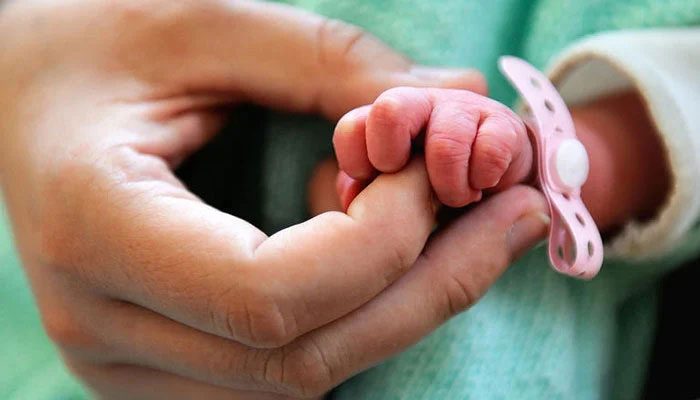
LAHORE: The world is observing ‘International Day to End Fistula’ on Friday, while an estimated two million women are forced to live with fistula due to social barriers in developing countries.
Thousands of other women simply suffer in silence, unaware that they can seek medical assistance. Fistula, a devastating childbirth injury to women, is not only treatable but preventable, said senior obstetrics and gynecology professors at a press conference organised by Pakistan National Forum on Women's Health (PNFWH) at Lahore Press Club on Friday.
Prof Amna Yousaf, obstetrics and gynecology department, Ganga Ram Hospital, said the United Nations Population Fund (UNFPA) and Fistula Foundation this year observing the international day based on a theme ‘Her health, her right, shaping a future without fistula’.
Explaining that fistula, the childbirth injury, she said it was usually fatal to unborn babies (90 per cent of cases end in stillbirth) and cause added suffering and isolation to at least two million poor and marginalised women and girls worldwide. She lamented that around 5,000 women and girls are still forced to live with fistula in Pakistan.
Ending Fistula by 2030 required a paradigm shift in community’s thinking, she added. Dr Saeeda Bano, associate professor at obstetrics and gynecology department, Sahiwal Medical College, Sahiwal, stressed that promoting universal access to quality care was essential for the prevention of maternal mortality and morbidity. She said fistula could be prevented when women get timely maternity care, including skilled birth attendance, midwifery care and emergency obstetric care (as needed), with accessibility to family planning services.
Stressing that change starts with the community, she said, community empowerment and participation were key to successfully addressing the determinants of maternal mortality and morbidity and ensure the use of fistula prevention and treatment services by women, girls, their families, and communities.
Dr Bushra Haq, assistant professor at obstetrics and gynecology, Services Hospital, said ensuring access to safe holistic fistula treatment (surgical repair and social reintegration) for all women and girls in need was a key strategy for eliminating it. She said a sustainable scale-up of quality treatment and healthcare services, including the availability of adequate numbers of trained, competent fistula surgeons and midwives, is needed to significantly reduce maternal and newborn mortality and to eradicate obstetric fistula.
The experts said this year’s International Fistula Day called for investments to improve the quality of care for maternal health, fistula prevention, and treatment. They stressed that the communities should play their key roles in addressing social, cultural, political, and economic determinants that impact maternal health and sexual reproductive health, and reproductive rights and contribute to the occurrence of obstetric fistula.
They stressed that the communities should use the momentum of the SDGs together with strong political leadership, accelerated investment and action, with passionate and committed champions, to achieve this historic and transformative goal.







-
 Chyler Leigh Pays Moving Homage To 'Grey’s Anatomy' Co-star Eric Dane: 'He Was Amazing'
 -
 Did You Know Tech CEOs Limit Screen Time For Their Own Kids?
 -
 Matthew Lillard Admits Fashion Trends Are Not His 'forte'
 -
 SpaceX Launches Another Batch Of Satellites From Cape Canaveral During Late-night Mission On Saturday
 -
 Princess Beatrice, Eugenie Get Pulled Into Parents’ Epstein Row: ‘At Least Stop Clinging!’
 -
 Inside Kim Kardashian's Brain Aneurysm Diagnosis
 -
 Farmers Turn Down Millions As AI Data Centres Target Rural Land
 -
 Trump Announces A Rise In Global Tariffs To 15% In Response To Court Ruling, As Trade Tensions Intensify
 -
 Chappell Roan Explains Fame's Effect On Mental Health: 'I Might Quit'
 -
 AI Processes Medical Data Faster Than Human Teams, Research Finds
 -
 Sarah Ferguson’s Friend Exposes How She’s Been Since Andrew Mountbatten-Windsor’s Release
 -
 Jelly Roll Explains Living With 'severe Depression'
 -
 Charli XCX Applauds Dave Grohl’s 'abstract' Spin On Viral ‘Apple’ Dance
 -
 Anna Sawai Opens Up On Portraying Yoko Ono In Beatles Film Series
 -
 Eric Dane's Wife Rebecca Gayheart Shares Family Memories Of Late Actor After ALS Death
 -
 Palace Wants To ‘draw A Line’ Under Andrew Issue: ‘Tried And Convicted’