
Transparent, inclusive and equitable budgeting process stressed
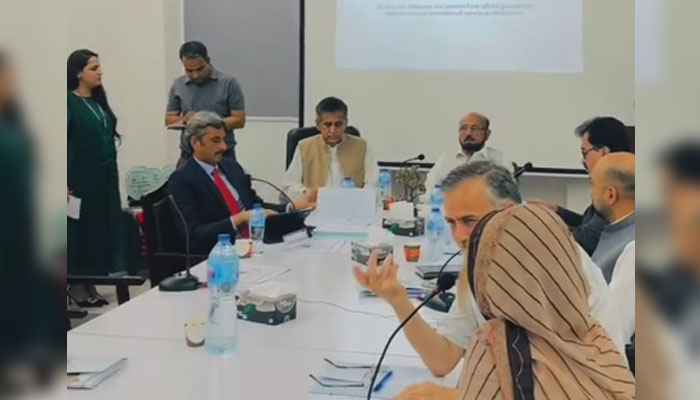
PESHAWAR: A seminar here on Tuesday called for a more transparent, inclusive, and equitable budgeting process in Khyber Pakhtunkhwa.
The Centre for Governance and Public Accountability (CGPA), in collaboration with the Development Insights Lab (DIL) and the Department of Economics at the University of Peshawar, had organized the pre-budget seminar to foster inclusive dialogue on Khyber Pakhtunkhwa’s fiscal priorities, challenges, and policy solutions.
Held at the University of Peshawar’s Department of Economics, the seminar brought together policymakers, academics, civil society members, business leaders, and students to explore themes such as budget transparency, fiscal decentralization, and gender-responsive public financing.
Shahzadi Rubab Zeb, Program Officer at CGPA, introduced CGPA’s mission of promoting transparency, accountability, and citizen participation in governance.Dean of Social Sciences at the University of Peshawar, Dr. Muhammad Taieb highlighted critical issues related to public finance management and emphasized the need for data-driven and inclusive planning in the upcoming budget.
Sajjad Ahmad Jan, Chairman of the Department of Economics, shared a comparative analysis of KP’s fiscal performance with other provinces and presented insights into KP’s largest-ever proposed budget of Rs. 1,754 billion. He pointed to climate change as a major economic disruptor and called for strategic interventions in climate-resilient development planning.
MPA Ahmed Kundi addressed the key challenges in budget formulation, underlining the need for flexibility in budgetary allocations and the importance of providing clear performance indicators to departments. He urged that budget planning must be oriented toward the welfare of the common citizen.
The discussion also delved into enhancing KP’s fiscal capacity, with suggestions to broaden the tax base, diversify revenue streams, and capitalize on the province’s strategic position and natural resources.
Ahmad Kundi emphasized the importance of using social media as a platform to raise voices against the unfair aspects of the budget, urging citizens to actively engage and bring their concerns to the assembly halls to ensure their queries are heard and addressed.
President of the Sarhad Chamber of Commerce and Industry, Fazal Moqeem Khan, stressed the need for retaining local talent and fostering innovation-driven economic growth. He discussed strategies to improve fiscal autonomy, especially in the context of the tribal areas merger, and the importance of addressing the under-financing issues that have historically affected KP’s development.
The SCCI chief advocated for an enabling environment that allows youth, professionals, and entrepreneurs to contribute meaningfully to Pakistan’s economy rather than seeking opportunities abroad.
During a panel discussion, Lehaaz Ali, a local journalist, pointed out inefficiencies in KP’s budget execution. Despite major allocations, such as Rs 800 billion annually for government salaries, he noted persistent gaps in planning and service delivery. He stressed the need for structural reforms to ensure that public funds lead to real improvements.
Muhammad Anwar, Executive Director of CGPA, raised questions about the transparency and accountability of the KP budget. He asked how much of the allocated budget for schools and basic health units was being spent.







-
 Carney’s Alberta 'carbon Agreement' Deal Unlocks New Oil Pipeline Plans Amid Global Crisis
 -
 Prince Harry Branded 'househusband' As Meghan Markle Expands Business
 -
 'Sheriff Country's Star Maren Morris Shares Her Scary 'motto In Life'
 -
 Al Roker, Dylan Dreyer Claim To Be 'not Immune From Life' Amid Kidnapping Of Savannah Guthrie’s Mom
 -
 King Charles Leaves Fans Stunned With 'Freaky Friday' Moment At King's Trust Celebration
 -
 Starbucks Initiates Hundreds Of Layoffs As It Closes Some Regional US Offices
 -
 Prince Harry, Andrew Not Invited To Wedding Of Princess Anne's Son
 -
 King Charles' Sister Praised For Supporting Veterans During Aston Martin Event
 -
 Meghan Markle Will Leave Harry And Children In US To Visit Switzerland
 -
 UK Backs Human Rights Plan To Curb Illegal Migration
 -
 Joshua Fox's 'criminal Record' Used To Justify Chud The Builder's Actions
 -
 UK Regulators Warn Firms To Limit Risks From Frontier AI Models
 -
 Chud The Builder Held On $1.25M Bond, Joshua Fox's Wife Raises $60K On GoFundMe
 -
 Super El Nino 2026: Why Forecasters Say It’s Just Around The Corner
 -
 OnePlus Removed From Best Buy Stores In The US
 -
 Martin Short And Meryl Streep Split After Family Tragedy