
Reevaluating reforms
Authorities need to realise that true reforms cannot stand on stick-and-carrot approach
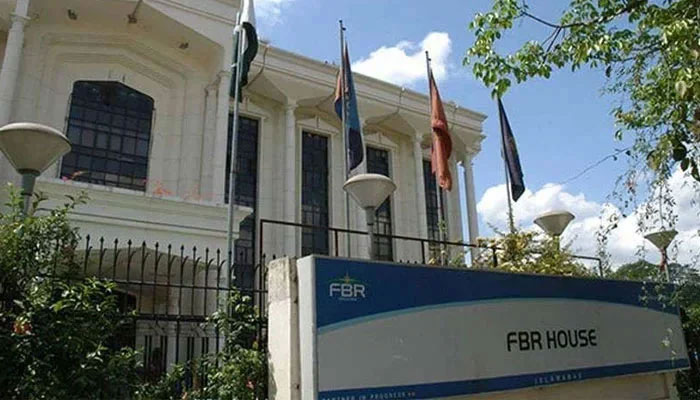
There has been a visible shift in the government’s approach towards tax-related matters over the last few years. When the budget for FY25 was announced, the financial team looked determined to stop extending any leniency to tax evaders and increase revenue. On that basis, the Federal Board of Revenue (FBR) has launched a fully digitised performance management system (PMS) to enhance transparency and efficiency in evaluating tax officers, replacing a widely criticised system that rated nearly all officers as ‘outstanding’ or ‘very good’. The new system, which was launched last month, uses anonymous peer reviews of 45 colleagues to rate officers from Grade 17 and above on a six-month cycle, with financial rewards tied to digital ratings. This was a long overdue step towards accountability, but these reforms have raised more questions. There are concerns over technical flaws, lack of legal safeguards and rigid quota-based rankings that officers say lead to unfair outcomes. Some say that delays in the release of ranking point to potential tampering. These fears are compounded by the admission of tax authorities who say that a three-member committee has the power to elevate or downgrade a limited number of officers, a step that could bring personal preferences and bias back into the system.
The criticism does not end here. From January to April 2025, complaints to the Federal Tax Ombudsman soared by 550 per cent, with taxpayers alleging harassment, unjustified account freezes and procedural violations. Such a staggering rise cannot be brushed aside. In fact, it calls for the urgent attention of authorities. The fact that many taxpayers are receiving notices from FBR officials may be a result of the mounting pressure on the FBR to meet ambitious revenue targets – Rs12.3 trillion, which has come down from Rs12.97 trillion – while dealing with weak economic fundamentals and the watchful eyes of the International Monetary Fund (IMF). Tax officials fear a dip in their ranking, and the fear is that they may resort to strict measures like constant notices to taxpayers to meet their target.
Authorities need to realise that true reforms cannot stand on a stick-and-carrot approach. They require structural change. First, the newly launched PMS needs clear, measurable definitions of integrity and stronger safeguards against manipulation/human intervention. Second, the government must urgently address the surge in complaints. There has been some misconception among policymakers that a majority of people evade taxes. While the country does have the challenges of a largely undocumented economy, not everyone is out there committing tax fraud. Instead of hounding existing taxpayers, Pakistan must expand the tax net so that all sectors can increase the much-needed government revenue.


