Astronauts face life threatening risk on Boeing Starliner, NASA says
300-page investigation highlights leadership failures and technical flaws behind troubled Boeing Starliner test flight
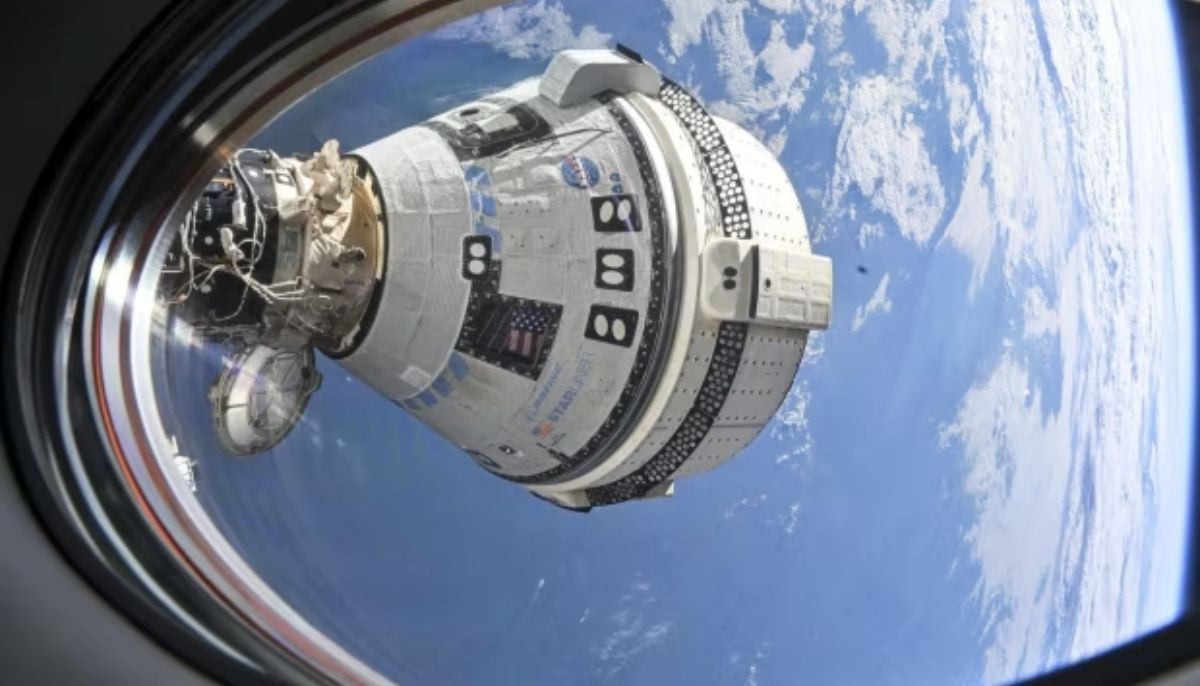
NASA has confirmed that two astronauts nearly died during the Boeing Starliner test flight in June 2024. The US space agency released a 300-page investigation this week which showed that thruster failures caused the spacecraft to lose control during its first crewed mission to the International Space Station.
The incident was classified as a “Type A mishap". NASA’s most serious safety category. The NASA Starliner report details how astronauts Butch Wilmore and Suni Williams manually intervened to prevent disaster.
What went wrong during Starliner mission?
The Boeing-built capsule suffered multiple propulsion system failures shortly after launch. Engineers later discovered helium leaks and control issues that threatened the spacecraft’s stability. NASA senior official Amit Kshatriya said, “We almost did have a really terrible day.”
The report identified three main problems, which included hardware defects, leadership decision failures and NASA-Boeing communication breakdowns. Investigators determined that the spacecraft lacked proper preparation for its scheduled crewed flight. The Boeing Starliner safety failure now undergoes comparison with past NASA missions which involved high dangers, despite the fact that no one died during the incidents.
Why did Starliner return without astronauts?
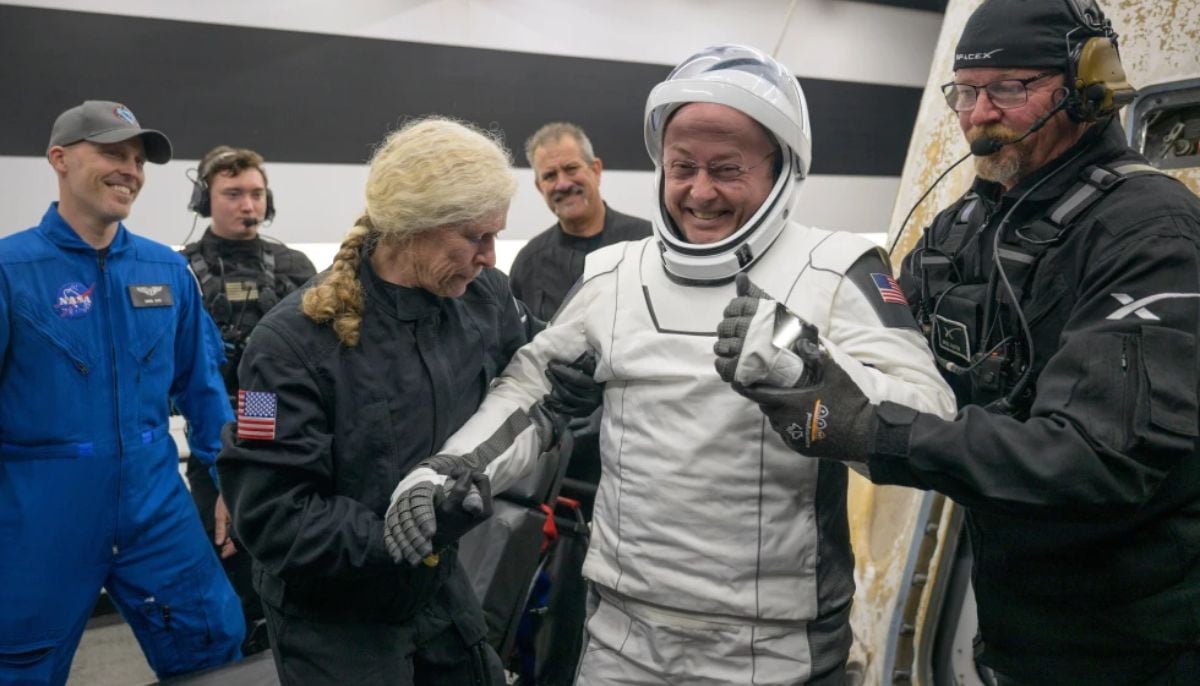
NASA decided the capsule was too risky to bring the crew home. In September 2024, the spacecraft returned to Earth without astronauts. Wilmore and Williams remained aboard the ISS for 286 days before returning in March 2025 on a SpaceX Dragon capsule.
NASA Chief Jared Isaacman made a public statement which questioned previous leadership procedures because he believes that organisations need to address their fundamental cultural problems to ensure astronaut safety. Boeing will conduct an uncrewed Starliner mission in 2026 to evaluate its system enhancements.






-
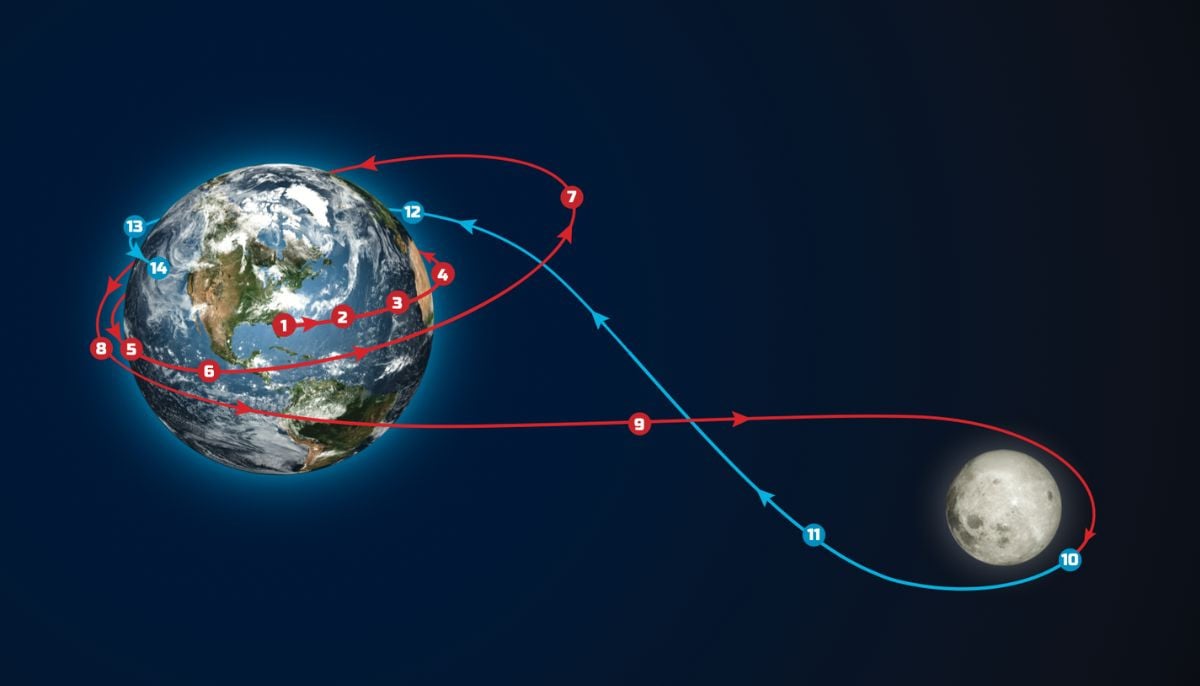 Why NASA Artemis II won’t take straight path to Moon: ‘Figure-8’ route explained
 -
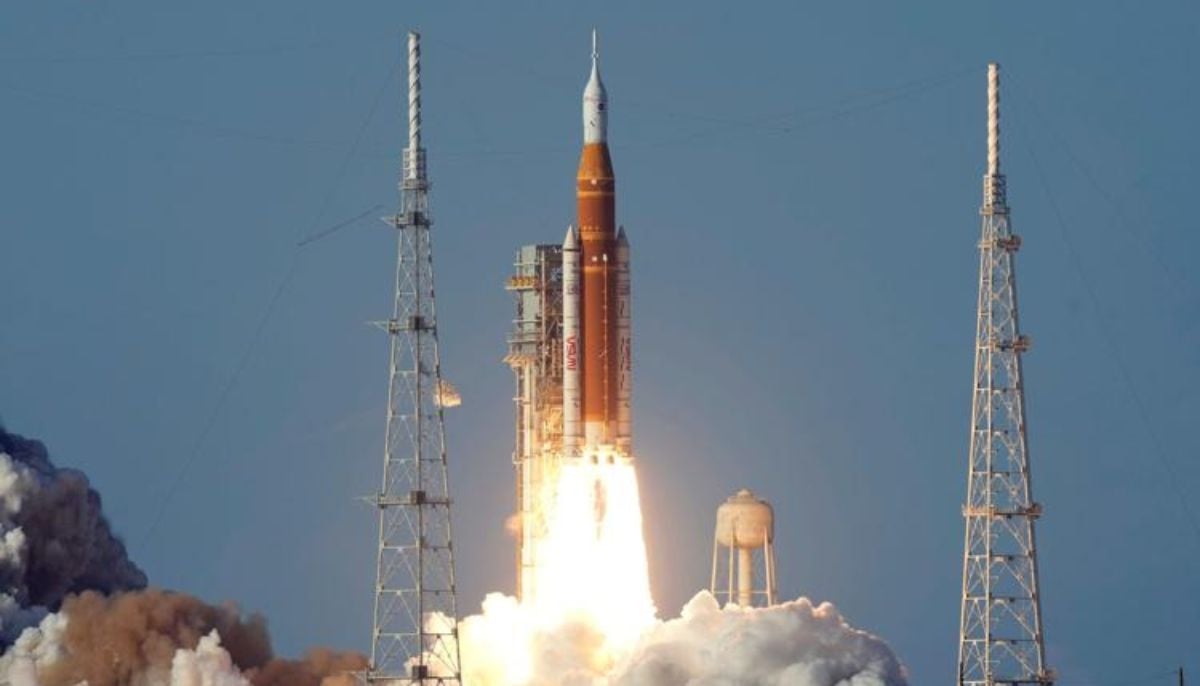 Even in space: NASA Artemis II astronauts hit Outlook glitch mid-mission
 -
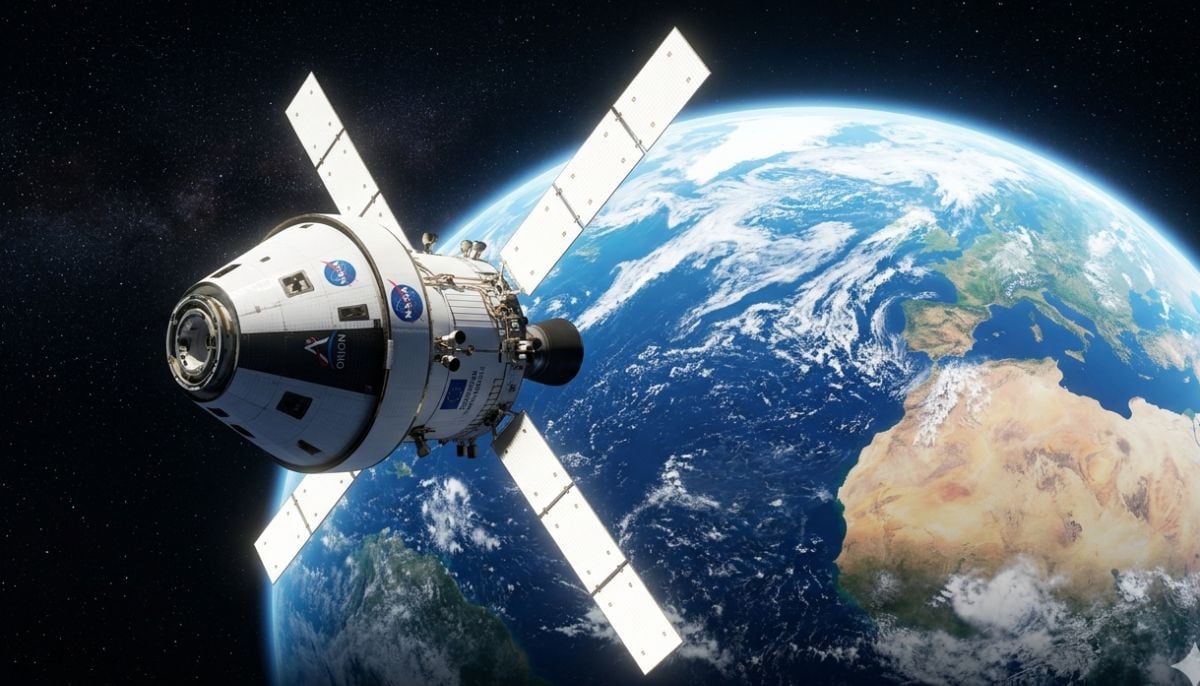 Artemis II hurtles ever closer to the lunar far side
 -
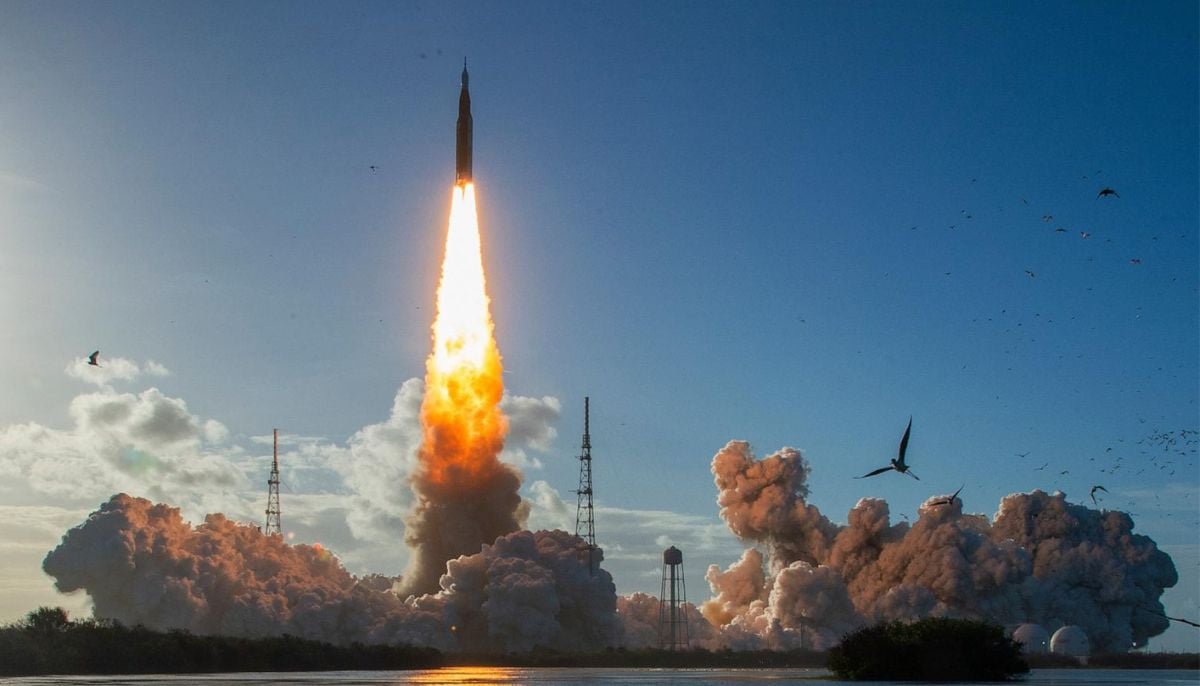 Where is Artemis II today? Here is everything to know about NASA’s journey to the moon
 -
 European Space Agency to negotiate with NASA on future lunar missions
 -
 SpaceX AI satellites plan raises doubts after Microsoft setback
 -
 NASA Artemis II lifts off, sending cubesats into deep space study
 -
 Could there be life on Mars? NASA Jared Isaacman claims chances are 90%
-
 NASA Artemis II Moon mission set for liftoff today: Here’s what to know
 -
Did the Big Bang happen differently? New theory challenges origin of Universe
-
April’s Pink Moon 2026: How to see the full moon in all its glory
-
First-ever primordial black hole discovery? Scientists reveal breakthrough
-
NASA Artemis II: Flight plan, risks and how it prepares humans for Mars
-
Superbugs on rise as climate change drives antibiotic resistance, study finds
-
Brain holds secret memory system, study finds
-
How to watch NASA's Artemis II moon launch live on April 1
-
New study shows dark spots in light waves outrunning the speed of light
-
Did you know Project Hail Mary features real astrophotography shots?