
HRCP calls for urgent reforms to save Margallas
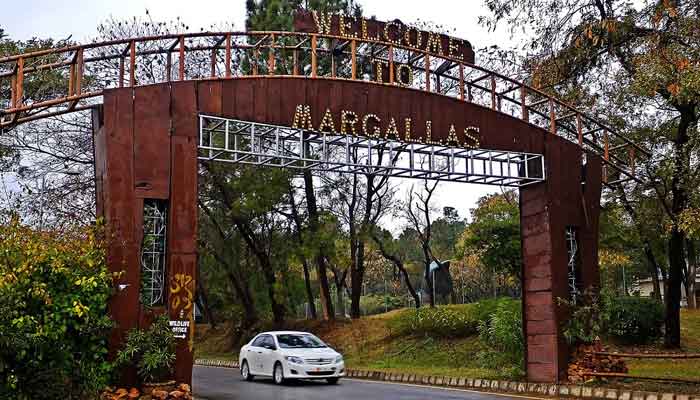
Islamabad : The lush Margalla Hills National Park, long celebrated as the “green lungs” of Islamabad, now stands at the crossroads of environmental ruin and governance failure.
A new fact-finding report by the Human Rights Commission of Pakistan has laid bare a disturbing reality: rampant illegal construction, government inaction and institutional power struggles are degrading one of the country’s most treasured natural habitats.
Once envisioned as a sanctuary for wildlife and a refuge for people seeking nature’s embrace, MHNP has become a battleground between conservationists and developers.
The HRCP report, compiled after a detailed investigation earlier this year, highlights the unchecked rise of commercial structures - from restaurants and hotels to office buildings and housing schemes - that are devouring forest cover, threatening endangered species and accelerating ecological imbalance.
The issue, however, extends far beyond illegal eateries or isolated deforestation. It reflects a systemic crisis in environmental governance, where conflicting mandates between the Capital Development Authority and the Islamabad Wildlife Management Board have left the MHNP vulnerable to exploitation. Despite court-ordered demolition of illegal restaurants, over 180 unauthorised structures continue to operate within park boundaries.
According to the HRCP, solutions are urgently needed. The report recommended immediate re-demarcation of MHNP boundaries to clearly distinguish protected areas from urban settlements, strengthening the IWMB’s independence, ensuring it is free from bureaucratic interference and fully equipped to manage conservation efforts, mandatory environmental impact assessments before the start of any new development projects within the park, and institutional reforms to align legal mandates and remove the ambiguities that allow encroachments to persist.
It also called for enhanced cooperation between the CDA, IWMB and the climate change ministry, moving past turf battles toward a unified conservation strategy, empowering local communities as stewards of the park to protect biodiversity while safeguarding livelihoods, and revival of local governance structures to ensure better accountability and oversight in Islamabad’s environmental affairs.
The HRCP’s findings reveal a pattern of delayed or selective enforcement, political interference and an alarming trend of silencing conservation voices through intimidation campaigns. Former IWMB officials and activists reported harassment, with banners, posters and graffiti defaming environmental defenders spotted near the hills and reports of threats from commercial interests.
The rights watchdog has called on the federal government to promptly complete the appointment of at least two non-ex-officio qualified members to the IWMB, finalise the park management plan and curtail the CDA’s overreach into conservation matters.







-
 Giant Tortoise Reintroduced To Island After Almost 200 Years
 -
 Eric Dane Drops Raw Confession For Rebecca Gayheart In Final Interview
 -
 Trump Announces New 10% Global Tariff After Supreme Court Setback
 -
 Influencer Dies Days After Plastic Surgery: Are Cosmetic Procedures Really Safe?
 -
 Eric Dane Confesses Heartbreaking Regret About Daughters' Weddings Before Death
 -
 Nicole 'Snooki' Polizzi Reveals Stage 1 Cervical Cancer Diagnosis
 -
 Hilary Duff’s Son Roasts Her Outfit In New Album Interview
 -
 Alexandra Daddario, Andrew Form Part Ways After 3 Years Of Marriage
 -
 Eric Dane Rejected Sex Symbol Label
 -
 Avan Jogia Says Life With Fiancee Halsey Feels Like 'coming Home'
 -
 Kate Middleton's Role In Handling Prince William And Harry Feud Revealed
 -
 Tucker Carlson Says Passport Seized, Staff Member Questioned At Israel Airport
 -
 David, Victoria Beckham Gushes Over 'fiercely Loyal' Son Cruz On Special Day
 -
 Taylor Swift Made Sure Jodie Turner-Smith's Little Girl Had A Special Day On 'Opalite' Music Video Set
 -
 Eric Dane Says Touching Goodbye To Daughters Billie And Georgia In New Netflix Documentary
 -
 Channing Tatum Reveals What He Told Daughter After Violent Incident At School