
Trump’s tariff reprieves leave Pakistan in a bind
Pakistan can benefit from trade diversion, emerge as supplier of textiles, surgical instruments or agricultural goods
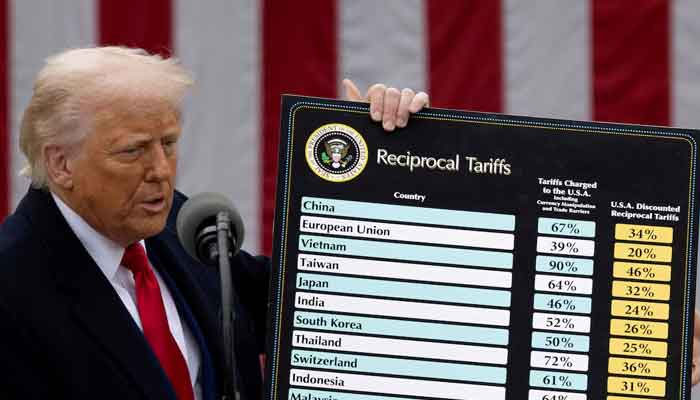
LAHORE: US President Donald Trump’s suspension of tariffs on 70 countries for 90 days offered only temporary relief during his presidency and had far-reaching implications. Rather than introducing permanent policy changes, such short-term suspensions increase uncertainty in the global economy.
A 90-day pause signals a reprieve, not a resolution. It fuels confusion among businesses about investment decisions, supply chains, and pricing strategies. The Trump administration became known for abrupt and unpredictable trade moves, causing investors to hesitate, manufacturers to delay sourcing plans and global trade partners to remain cautious.
Such unilateral actions also undermine the norms of the World Trade Organisation (WTO), as sudden shifts without multilateral consensus signal a move away from rules-based trade -- making long-term planning riskier for all economies, large and small.
While a US-China trade war may not have been inevitable, it became increasingly likely due to structural tensions. The US accused China of intellectual property theft, forced technology transfers, and unfair subsidies -- not merely trade imbalances. These deeper issues made conflict difficult to avoid. Both sides escalated tariffs, with no meaningful resolution for years. Even when talks resumed, the mutual distrust had already reshaped global trade alignments.
Beyond trade, the tensions reflect a wider struggle for technological and geopolitical dominance, spanning sectors such as 5G, semiconductors, and artificial intelligence -- all of which spill into commercial policy.
Smaller and developing nations like Pakistan often find themselves caught in the crossfire. The impact can be both positive and negative. In the short term, Pakistan could benefit from trade diversion. As the US and China reduce bilateral imports, they may seek alternative sources, and Pakistan could emerge as a supplier of textiles, surgical instruments, or agricultural goods -- provided it meets required standards and delivery timelines.
However, the medium-term risks are more serious. Disruptions in global supply chains make multinationals wary of investing or sourcing from smaller, less stable economies. Any delays in Chinese exports can directly impact Pakistan’s imports of machinery, chemicals, and electronics.
The Pakistani government has been actively courting foreign investment, but capital flow volatility stemming from Trump’s actions may undermine those efforts. During periods of global uncertainty, investors often move capital into safe havens such as US Treasuries or gold, reducing the availability of foreign direct investment and portfolio inflows for frontier markets like Pakistan.
Trade shocks also tend to weaken major currencies such as the Chinese yuan. As instability pushes up the value of the US dollar, the Pakistani rupee may face further depreciation. A stronger dollar could raise Pakistan’s import bill and fuel inflation, complicating debt repayments and straining economic stability.
If the US-China divide deepens, countries may eventually have to choose between competing technological ecosystems -- for example, Huawei versus US-based suppliers. This could limit Pakistan’s access to critical technologies from one side or the other.
Trump’s tariff suspensions, though framed as relief measures, heightened global uncertainty by being temporary and signalling erratic trade policymaking. The US-China conflict, now entrenched, appears to be long-term. For countries like Pakistan, the evolving trade landscape presents both risks -- such as supply disruptions and capital flight -- and potential opportunities in the form of trade diversion and a competitive labour force. How effectively Pakistan navigates these shifts will depend on timely and strategic policymaking.





-
 24 Dead In Bangladesh After Bus Plunges Into River During Ferry Boarding
 -
 Dana Carvey Recalls Doing 'SNL' Creator Lorne Michaels' Impersonation: 'My First Reaction Is Terror'
 -
 Everything We Know About Taylor Swift And Travis Kelce Honeymoon Plans
 -
 Metformin’s Hidden Brain Pathway Uncovered After 60 Years
 -
 How Dogs Became Man’s Best Friend 15,800 Years Ago: New Study Reveals
 -
 Prince Harry And Meghan Markle Respond To Major Meta And YouTube Ruling
 -
 Why Josh Duhamel Believes His Fans Will Be 'alienated' If He Talks Politics
 -
 Melania Trump Appears With Humanoid Robot At White House
 -
 ‘Addictive By Design’: Meta, YouTube Found Liable In Historic Verdict
 -
 Bruce Willis' Mom Marlene Makes Another Family Amid Son's Battle With Dementia
 -
 Roblox Safety Warning For Parents: Developer Says Kids Need 24/7 Monitoring
 -
 Chelsea Handler Explains Why She Dates Younger Men
 -
 Chappell Roan's Security Guard Takes 'full Responsibility' For His Interaction With Jorginho's Daughter?
 -
 Rosalía Cuts Concert Short Over Sudden Illness, Fans Shocked
 -
 'Buffy' Star Nicholas Brendon's Death Case Takes Massive Turn
 -
 FKA Twigs Takes Legal Stand Against Ex Shia LaBeouf