‘Addictive by design’: Meta, YouTube found liable in historic verdict
Meta and YouTube were found liable in social media addiction trial following claims that a woman's anxiety was rooted in platform dependency

A Los Angeles jury reportedly delivered a historic verdict finding Meta and Google liable for the social media addiction and subsequent mental struggles of a young woman. The jury determined that these platforms were intentionally built to be addictive, ultimately harming the 20-year old’s well-being. Both Meta and Google disrupted the verdict and announced plans to appeal; Meta argued that teen mental health is profoundly complex and cannot be linked to a single app. The plaintiff, known as Kaley, was awarded $6million in damages-a result likely to have significant implications for hundreds of similar cases currently winding their way through US courts.
In line with the jury's remarks, $3million was awarded in compensatory damages, with an additional $3 million in punitive damages, because the jury determined that Meta and Google acted with malice, oppression or fraud.
How the LA verdict held big tech liable for addictive design?
The LA verdict comes a day after a jury in New Mexico found Meta liable for exposing minors to sexually explicit material and predators. Mike Proulx, a research director for Forrester, stated that these combined verdicts underscore a breaking point in the relationship between social media companies and the public.
It has been observed that in recent months, countries such as Australia have imposed restrictions on children to limit their use of social media. Similarly, the UK is currently running a pilot program to see how a social media ban for those under 16 might work. Mark Zuckerberg, in a defensive stance, acknowledged internal documents showed that Meta knew children under 13 were using their app; he stated he “always wished for faster progress in identifying them but claimed the company eventually reached the right place.” While Meta and Google went to trial, Snap and TikTok were also originally defendants but chose to reach undisclosed settlements.
Kaley’s legal team argued that the platforms were intentionally engineered as addiction machines that failed to fulfill their duty to keep children off the apps. Kaley testified that she began using YouTube at age 6 and Instagram at age 9, claiming she encountered no age-verification barriers or attempts to block her access. She began suffering from anxiety and depression at age 10, leading to a late clinical diagnosis. Although Google was a defendant, the majority of the legal proceedings and evidence focused specifically on Meta and Instagram. Kaley was also officially diagnosed with body dysmorphia, a condition where she obsessively worried about her appearance and could not perceive her physical self accurately.
Her legal team argued that core platform features-such as infinite scroll-were not accidental but were engineered to be addictive. Experts and executive testimony suggested Meta prioritized young users because they are more likely to become long-term sticky users who remain on the platform for years. The head of Instagram denied this was evidence of an addiction, instead labeling such extreme usage as merely problematic. According to Kaley’s lawyers, the verdict proves no company is above accountability regarding child safety and mental health. This verdict is just the beginning; a major federal court case involving Meta and other platforms is scheduled to begin in California in June 2026.


-
 Biden calls out Trump’s ‘vanity projects’ at Maryland Democratic Gala—Here’s why
 -
 Pima County Sheriff responds to new claims in Nancy Guthrie case
 -
 Mayor Mamdani jumps into NYC pool to revive old tradition
 -
 Trump’s Gaza Board of Peace seeks to grant itself total immunity and free use of property: Here’s why
-
 Apple speeds up software updates amid AI-driven cybersecurity threats
 -
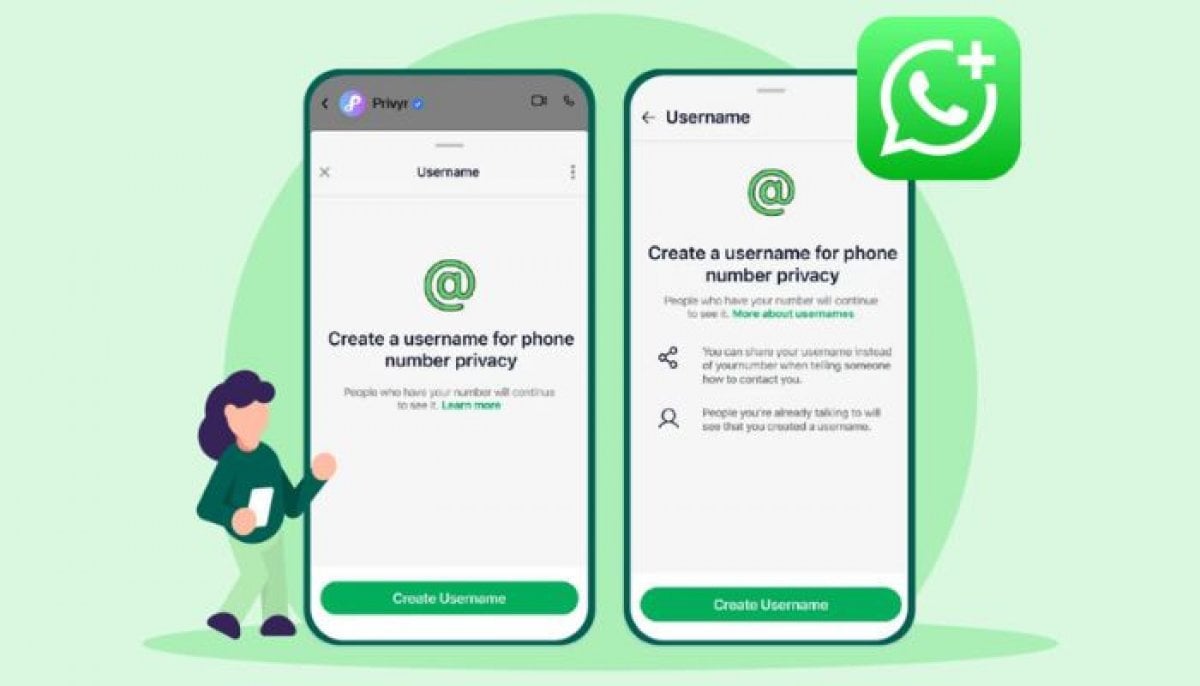 WhatsApp will now let you chat without sharing your phone number
 -
 Trillionaire Elon Musk celebrates birthday with rocket-themed cake
 -
 Breaking: Is Minecraft down? Several users report outages
 -
 Europe's heatwave puts AI data centres under pressure
 -
 US plans to build world's first fault-tolerant quantum computer: Check details
 -
 Base iPhone 18 likely to feature 9GB RAM, leak suggests
 -
 South Korea plans massive $576bn AI-chip bet to challenge global rivals