Sam Altman announces $1 billion plan to tackle global challenges as debate over risks intensifies
The company on Tuesday officially announced key leadership appointments for its nonprofit arm, and committed to investing at least $1 billion through the division over the next year in AI-related projects
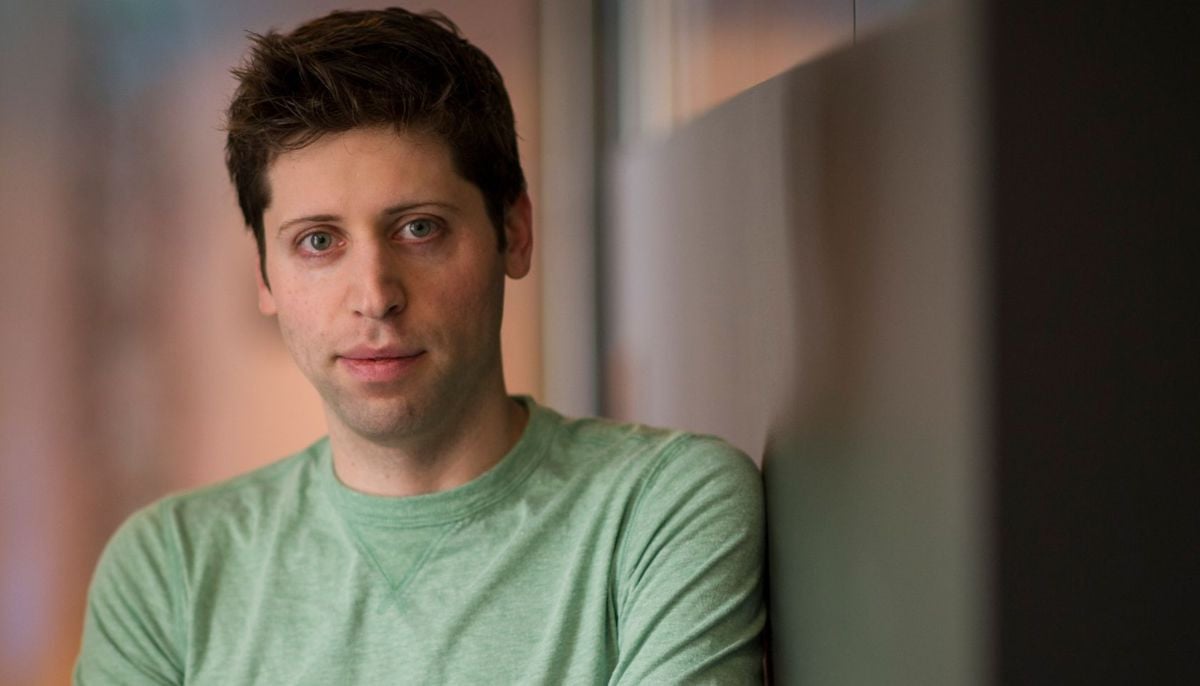
Sam Altman has launched the OpenAI Foundation, committing $1 billion over the next year to balance AI’s scientific potential with its societal risks. On Tuesday, the company officially announced key leadership appointments for its nonprofit arm and committed to investing at least $1 billion through the division over the next year. This follows a major corporate restructuring that transformed the ChatGPT-maker into a public benefit corporation. OpenAI stated that the foundation’s spending will prioritize areas such as life sciences, medical research and workforce and community programs.
Sam Altman described AI as a catalyst for scientific discovery. Moreover, he issued warnings that the technology could introduce new and complex threats. The recent revelation comes as the OpenAI Foundation is being positioned as a dedicated effort to tackle some of the most pressing challenges surrounding advanced AI systems. He underscores the need to move beyond conventional safety frameworks toward what he described as a resilience-style approach.
Altman’s remarks underscore AI risks
Recent remarks by the Sam Altman underline the growing tensions within the AI industry. The companies are struggling to push the boundaries of what the technology can achieve concerns around safety and economic disruptions become hard to ignore. He was of the view that addressing these risks will require a collective response involving governments, companies and society. Issues comprising biosecurity threats and the broader impact on jobs cannot be handled in isolation. Funding through the foundation will provide a more structured approach to managing such challenges. These initiatives will ensure that those AI capabilities grow, the necessary infrastructure is built to tackle those challenges. Nonetheless, this is a clear sign that AI has potential to transform fields like healthcare and the next phase of development will not only depend on innovation, but on addressing those risks effectively.


-
 Biden calls out Trump’s ‘vanity projects’ at Maryland Democratic Gala—Here’s why
 -
 Pima County Sheriff responds to new claims in Nancy Guthrie case
 -
 Mayor Mamdani jumps into NYC pool to revive old tradition
 -
 Trump’s Gaza Board of Peace seeks to grant itself total immunity and free use of property: Here’s why
-
 Apple speeds up software updates amid AI-driven cybersecurity threats
 -
 WhatsApp will now let you chat without sharing your phone number
 -
 Trillionaire Elon Musk celebrates birthday with rocket-themed cake
 -
 Breaking: Is Minecraft down? Several users report outages
 -
 Europe's heatwave puts AI data centres under pressure
 -
 US plans to build world's first fault-tolerant quantum computer: Check details
 -
 Base iPhone 18 likely to feature 9GB RAM, leak suggests
 -
 South Korea plans massive $576bn AI-chip bet to challenge global rivals