
Small emerging market dollar bonds resume selloff, Pakistan drops more than 6 cents
JOHANNESBURG/NAIROBI: International bonds issued by smaller, riskier, emerging economies suffered another sharp selloff on Wednesday after US President Donald Trump’s eye-watering 104 per cent tariffs on China took effect, re-igniting turmoil across global markets.
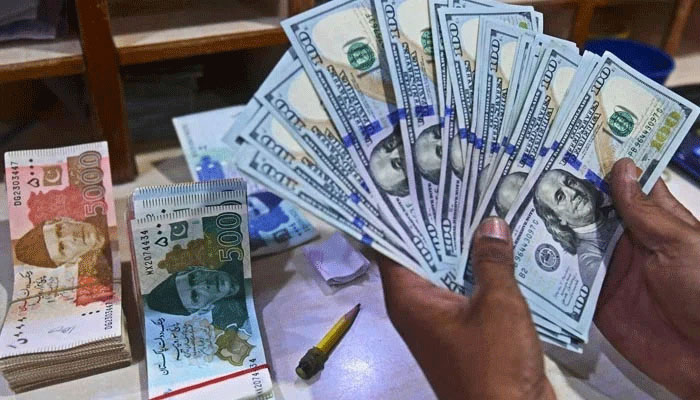
Pakistan’s longer-dated dollar-denominated bonds tumbled more than 6 cents to be bid below the 70-cent threshold where debt is seen as distressed, Tradeweb data showed.
Longer-dated bonds, issued by Sri Lanka, Nigeria and Egypt, were all down between 3.5-4.5 cents, although trading was thin, according to market participants. Debt in smaller emerging markets, known as frontier markets, has suffered sharp selloffs since Trump announced a raft of sweeping tariffs last Wednesday, with many bonds in the asset class losing 10 cents or more over the past week.
The latest rout is boosting the cost of borrowing for those economies sharply, with many of the bonds seeing their yields in the double digits, a threshold that makes it unpalatable for them to tap international capital markets.
“There are some concerns in the market that Frontiers will find it more difficult in the future to raise external funding due to the external market developments and possibly persistent loss in risk appetite,” said Gergely Urmossy, senior frontier markets strategist at Societe Generale.
This could lead to more currency weakness in those economies over the medium term and curtail the space for central banks to lower interest rates to shore up their economies, he added.
Many frontier market governments, especially African sovereigns, had only recently returned to Eurobond markets. They had lost access for some two years when the fallout from Covid-19 and Russia’s full-scale invasion of Ukraine sent inflation sharply higher and fuelled a global interest rate-hiking cycle that priced those governments out, and helped push Ghana and Zambia into default.
Razia Khan, head of research, Africa and the Middle East at Standard Chartered said the latest set of tariffs had fuelled more concerns over global growth. “Frontier markets, especially at the lower end of the ratings spectrum, are seen as more vulnerable when risk-off sentiment grips markets,” she said.







-
 Melania Trump Appears With Humanoid Robot At White House
 -
 ‘Addictive By Design’: Meta, YouTube Found Liable In Historic Verdict
 -
 Bruce Willis' Mom Marlene Makes Another Family Amid Son's Battle With Dementia
 -
 Roblox Safety Warning For Parents: Developer Says Kids Need 24/7 Monitoring
 -
 Chelsea Handler Explains Why She Dates Younger Men
 -
 Chappell Roan's Security Guard Takes 'full Responsibility' For His Interaction With Jorginho's Daughter?
 -
 Rosalía Cuts Concert Short Over Sudden Illness, Fans Shocked
 -
 'Buffy' Star Nicholas Brendon's Death Case Takes Massive Turn
 -
 FKA Twigs Takes Legal Stand Against Ex Shia LaBeouf
 -
 ‘Progressive’ Kate Middleton Snubs Outdated Royal Etiquette
 -
 Kylie Kelce Explains Why She Avoids Raising Kids With 'silver Spoon'
 -
 Meghan Markle Is Above Royal Family ‘empty Threats,’ Says Insider
 -
 Anne Hathaway Opens Up About 'defeated' Feeling As Working Mom
 -
 Shamed Andrew Should Testify In Epstein Case As ‘act Of Service’
 -
 What Really Happened Before Nicholas Brendon Was Found Dead At Home?
 -
 Sarah Ferguson Branded ‘most Famous Missing Person’ In UK Right Now