
Power generation declines 15% in February
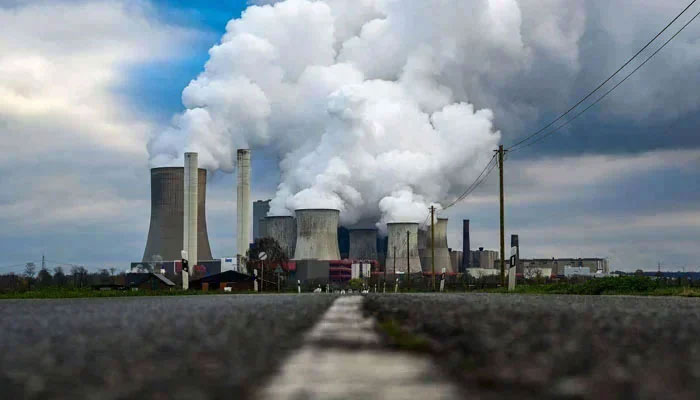
KARACHI: Power generation fell by a significant 15 per cent in February compared to January of this fiscal year, primarily due to reduced electricity output from imported coal, nuclear power and RLNG (re-gasified liquefied natural gas).
According to power sector data released on Monday, total electricity generation in February 2025 stood at 6,945 GWh, down from 8,153 GWh in January 2025. This also represents a 3.0 per cent decline from the 7,130 GWh recorded in February of the previous financial year.
During the first eight months of the financial year, power generation declined by 3.0 per cent, dropping to 81,739 GWh from 84,426 GWh in the same period last year. Hydropower generation fell by 3.0 per cent, local coal-based power by 8%, RLNG-fired electricity by 4%, and wind power by 12 per cent over this period.
Hydropower remained the largest contributor to power generation in February, accounting for 27.1 per cent of the generation mix, followed by nuclear power at 26.6 per cent and local coal at 15 per cent. Among renewable energy sources, wind, solar and bagasse contributed 2.5 per cent, 1.2 per cent and 1.1 per cent, respectively.
The data also showed a substantial 30 per cent reduction in the total cost of electricity generation, which fell to Rs7.57 per kWh in February 2025, down from Rs10.79 per kWh in January 2025. Compared to February 2024, electricity costs dropped by 13 per cent from Rs8.7 per kWh. Over the first eight months of the financial year, costs declined by 3.0 per cent, falling to Rs8.57 per kWh from Rs8.8 per kWh.
Pakistan’s power sector, a critical driver of economic growth and industrialisation, continues to grapple with longstanding challenges, including rising circular debt, high tariffs weak macroeconomic conditions, and inefficiencies in generation, transmission and distribution, according to a recent report by the Pakistan Credit Rating Agency. Despite an installed capacity of 45,888 MW in FY24, low utilisation (33.9 per cent) and operational bottlenecks in transmission and distribution have led to mounting capacity payments and higher consumer tariffs. Experts attribute the decline in power generation and consumption to slowing industrial activity and the growing adoption of rooftop solar panels. Experts also cite a broader shift towards renewable energy sources as a contributing factor. In a significant policy change, the government has reduced the buyback rate for net-metered electricity from Rs27 per unit to Rs10 per unit, aiming to encourage greater reliance on grid power.


