
Dialogue on women in media calls for legislative reforms
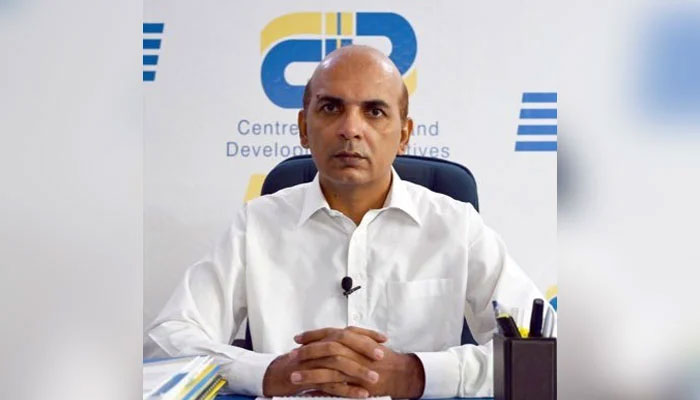
Islamabad:The Centre for Peace and Development Initiatives (CPDI) in collaboration with National Commission on the Status of Women (NCSW) and European Union (EU) organized a one-day roundtable dialogue on tackling the underrepresentation and discrimination of women in media. Attended by journalists, legislators, and rights activists, the event highlighted the alarming statistic that women constitute only 24% of news content, with Pakistan’s figure even lower at 11%. The dialogue aimed to address barriers limiting women’s participation, explore strategies to enhance their representation in media leadership and content, and engage stakeholders in developing actionable policy recommendations to promote gender-inclusive media practices.
Mukhtar Ahmad Ali, Executive Director of CPDI, asserted that freedom of expression and the right to information are fundamental human rights. He highlighted the numerous restrictions faced by media in Pakistan, where journalists, particularly women, encounter discrimination and underrepresentation. Noting that women make up 48% of the population yet only 5% are visible in media roles, he called for legislation to foster a supportive environment for women. While commenting that Pakistan is not safe country for women, he stressed that social and cultural changes are essential to shift mindsets, ensuring equal representation and participation of women across all sectors, alongside creating inclusive workplace policies in both private and government entities.
Amir Ghouri, Editor of The News Pakistan, expressed concern over the current media landscape. He noted a declining contrast in overall women rights situation as compared to the situation in 1990s and emphasized the need for women to empower themselves. Ghouri called for structural changes in media organizations to improve women's representation and eliminate discrimination. Farzana Bari, an educationist and women's rights activist, views the underrepresentation of women as a democratic issue rather than a cultural one. She emphasizes the need to change mindsets among both genders and proposes declaring gender inequality an emergency. Bari advocated for a national media campaign to promote gender equality in Pakistan and stresses that media should facilitate gender sensitization, ensure safe work environments, and provide childcare facilities to support women in the workforce.


