
AI’s new era
Uncertainty triggered selloff in tech sector, reflecting concerns that US firms might lose their competitive edge
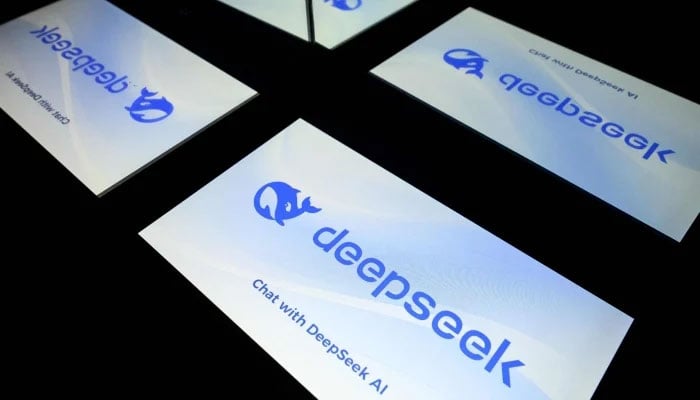
A seismic tremor shook global markets in late January as Nvidia’s valuation plunged by $600 billion within hours, dragging the Nasdaq down by $1 trillion in a historic tech selloff. The catalyst? A Chinese AI startup, DeepSeek, whose breakthrough exposed vulnerabilities in America’s trillion-dollar bet on AI supremacy.
While US tech giants like OpenAI, Meta and Google pour billions into cutting-edge chips and supercomputers, DeepSeek has achieved comparable performance using older, more affordable Nvidia H800 chips – at a fraction of the cost. Despite relying on hardware that lags behind the latest US AI infrastructure, DeepSeek’s models deliver results on par with leading AI systems in tasks like mathematics, coding and natural language reasoning. This revelation rattled investors, raising fears that AI dominance may not hinge solely on cutting-edge hardware but rather on algorithmic efficiency and resource optimisation.
The numbers highlight the stark contrast. DeepSeek developed its flagship AI model for just $6 million – a mere fraction of Microsoft’s $10 billion investment in OpenAI or the billions Meta and Google spend annually to sustain their AI edge. By optimising software and repurposing older chips, DeepSeek circumvented the need for Nvidia’s ultra-expensive H100 GPUs, which are the backbone of American AI development. Investors swiftly responded: Nvidia’s stock plummeted, as markets reassessed demand for high end AI chips, fearing that more cost-effective alternatives could disrupt the industry. The uncertainty triggered a broader selloff in the tech sector, reflecting concerns that US firms might lose their competitive edge.
But this isn’t just about stock prices – it’s a geopolitical shockwave. DeepSeek’s rise has unsettled not just Wall Street, but also Washington, where newly elected President Donald Trump called it a “wake-up call” for the US tech industry. With DeepSeek proving that AI leadership is no longer tied to hardware superiority, US policymakers are increasingly worried about America’s technological dominance eroding. In response, Trump’s administration is considering stricter export controls on AI-related technology, aiming to protect US innovation from foreign competition. However, the damage may already be done – DeepSeek’s models, priced 90 per cent lower than American alternatives, are rapidly expanding their global footprint, challenging American influence in AI leadership.
DeepSeek’s rapid success, however, hasn’t come without controversy. OpenAI has accused DeepSeek of using its data to train AI models, though no concrete evidence has been provided. Ironically, OpenAI itself faces multiple lawsuits – including one from the New York Times – for allegedly using copyrighted content without permission. AI firms on both sides of the Pacific have relied on data scraped from sources like social media, public websites, and online repositories, raising concerns about the legality and ethics of AI training.
While these legal battles play out, the average consumer remains indifferent. For most users, performance, cost, and accessibility outweigh concerns over data sourcing.
The battle between OpenAI and DeepSeek is corporate competition but also an ideological struggle over the future of AI governance and control. If AI can now be developed at a fraction of traditional costs, the world may see a shift away from monopolisation by a handful of Western firms toward a more diverse and competitive AI landscape.
For emerging economies like Pakistan, this shift presents both opportunities and challenges. The rising restrictions on AI technology exports could make it harder for Pakistani startups to access cutting-edge AI tools, much like how US sanctions on Huawei limited the spread of 5G. At the same time, DeepSeek’s cost-effective AI models could provide a new opportunity for countries like Pakistan, where high costs and infrastructure limitations have slowed AI adoption. If AI development becomes more accessible, Pakistani businesses, universities, and developers could integrate powerful AI tools at lower costs, fostering innovation in finance, healthcare, education, and e-commerce.
One thing is clear: AI is no longer just a technological tool. It is a strategic weapon in global economics and power struggles. The choices made today will determine whether AI remains a force for universal progress or a battleground for geopolitical control. As the world stands at a turning point, the decisions of governments and corporations will shape AI’s role in the decades to come – and with it, the balance of global power.
The writer is the founder of Clicknics.com, and combines his passion for digital marketing with his advocacy for free speech, a free economy, and the empowerment of startups within Pakistan’s digital ecosystem.






-
 24 Dead In Bangladesh After Bus Plunges Into River During Ferry Boarding
 -
 Dana Carvey Recalls Doing 'SNL' Creator Lorne Michaels' Impersonation: 'My First Reaction Is Terror'
 -
 Everything We Know About Taylor Swift And Travis Kelce Honeymoon Plans
 -
 Metformin’s Hidden Brain Pathway Uncovered After 60 Years
 -
 How Dogs Became Man’s Best Friend 15,800 Years Ago: New Study Reveals
 -
 Prince Harry And Meghan Markle Respond To Major Meta And YouTube Ruling
 -
 Why Josh Duhamel Believes His Fans Will Be 'alienated' If He Talks Politics
 -
 Melania Trump Appears With Humanoid Robot At White House
 -
 ‘Addictive By Design’: Meta, YouTube Found Liable In Historic Verdict
 -
 Bruce Willis' Mom Marlene Makes Another Family Amid Son's Battle With Dementia
 -
 Roblox Safety Warning For Parents: Developer Says Kids Need 24/7 Monitoring
 -
 Chelsea Handler Explains Why She Dates Younger Men
 -
 Chappell Roan's Security Guard Takes 'full Responsibility' For His Interaction With Jorginho's Daughter?
 -
 Rosalía Cuts Concert Short Over Sudden Illness, Fans Shocked
 -
 'Buffy' Star Nicholas Brendon's Death Case Takes Massive Turn
 -
 FKA Twigs Takes Legal Stand Against Ex Shia LaBeouf