
Inflation seen plunging below 3% in January
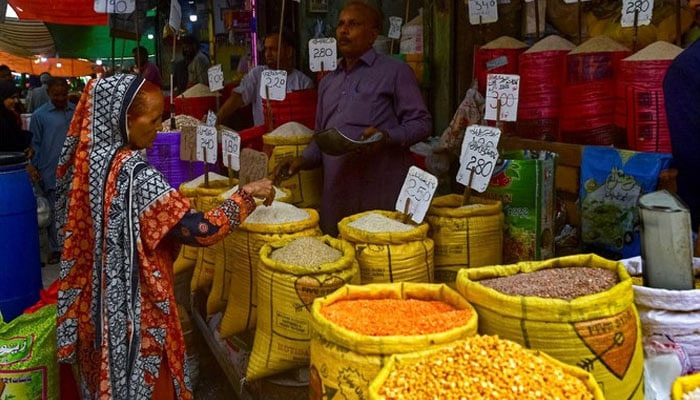
KARACHI: Inflation in Pakistan is expected to continue its downward trajectory, potentially dipping below 3.0 per cent in January, according to market experts.
JS Global, in a report released on Wednesday, predicted that Consumer Price Index (CPI) inflation for January 2025 could fall to 2.8 per cent, marking the lowest level since November 2015, driven by a high base effect despite a modest 0.6 per cent month-on-month increase. This would bring the average inflation for the first seven months of the fiscal year to 6.7 per cent, a significant drop from the 28.7 per cent recorded in the same period of the previous fiscal year.
Ismail Iqbal Securities Limited echoed this view, projecting January inflation at 2.9 per cent, a sharp decline from 28.3 per cent in the same month last year, reflecting a significant easing of price pressures.
In December 2024, headline inflation clocked in at 4.1 per cent year-on-year, down from 4.9 per cent in November, according to the Pakistan Bureau of Statistics (PBS). The consistent decline in inflation readings is expected to embolden the central bank to further cut its key policy rate.
JS Global anticipates another rate cut this month, albeit a smaller reduction of 100 basis points compared to the sharp cuts seen previously. Ismail Iqbal also expects a 100bps cut in the upcoming policy meeting, followed by a cautious pause or minor adjustments to monitor inflation trends.
While the current inflation environment is favourable, both brokerages cautioned that pressures may re-emerge starting in May 2025 as the base effect diminishes, potentially pushing headline inflation upwards.
The State Bank of Pakistan (SBP) last month cut its policy rate by 200bps to 13 per cent, marking a cumulative reduction of 900bps since June across five consecutive monetary policy decisions.


