
Ethical interventions fail to stop incentivised prescriptions in Pakistan: study
Despite implementing a multifaceted educational intervention, research found little change in doctors’ behaviour
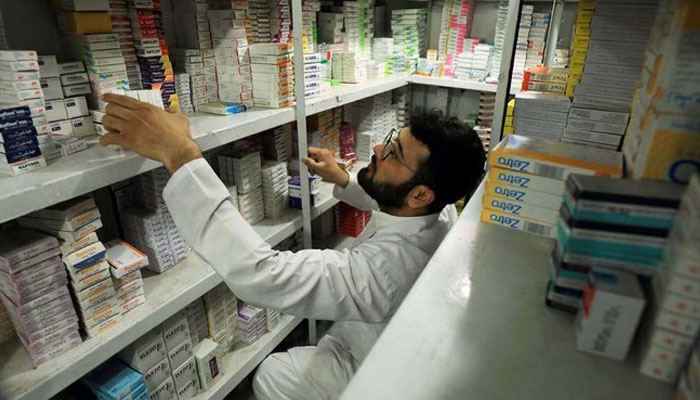
ISLAMABAD: Incentive-driven prescriptions, a practice where doctors accept benefits from pharmaceutical companies in exchange for prescribing promoted medicines, is alarmingly common in Karachi, according to a groundbreaking study published in BMJ Global Health.
The study was conducted by a collaborative team of researchers affiliated with several renowned institutions across the globe, including the London School of Hygiene and Tropical Medicine (LSHTM), UK, Aga Khan University (AKU), Karachi, and the Sindh Healthcare Commission, Karachi, Pakistan. The lead researchers were Dr. Mishal Khan from LSHTM, Dr. Muhammad Naveed Noor from AKU, and Afifah Rahman-Shepherd from LSHTM, supported by a wide range of international researchers and local experts based in Pakistan.
Despite implementing a multifaceted educational intervention aimed at reducing such practices, the research found little evidence of significant change in doctors’ behaviour.
Published in BMJ Global Health, this pragmatic randomised controlled trial covertly evaluated how private doctors in Karachi interact with pharmaceutical sales representatives. Data collectors posed as representatives of a fictitious pharmaceutical company, offering incentives ranging from cash payments to clinic renovations. Remarkably, over 40 percent of doctors who attended a placebo seminar readily agreed to incentive-linked prescribing. Even among those exposed to the intervention, more than 30 percent still engaged in such practices.
The study, which enrolled 419 private doctors operating for-profit primary care clinics, divided participants into intervention and control groups. While both groups attended professional development seminars, only the intervention group received targeted sessions addressing ethical prescribing. Reinforcement messages, such as motivational content and ethical prescribing guidelines, were also sent to intervention participants over six weeks. Despite these efforts, the intervention did not significantly reduce the proportion of doctors accepting incentives.
Dr. Khan and her colleagues highlighted a critical issue: many doctors who refused to engage with the fictitious company were already tied to other pharmaceutical deals. This points to deep-rooted systemic issues in Pakistan’s healthcare sector, where profit motives often overshadow patient welfare.
The study revealed that financial incentives were the most commonly accepted, followed by clinical equipment and leisure trips. Doctors cited pressures to generate income and the normalisation of such practices during medical training as key factors perpetuating these deals. The findings suggest that educational interventions alone are insufficient to combat the problem.
The research team comprised experts from institutions including LSHTM, AKU, and the Sindh Healthcare Commission. Other contributors included Nina van der Mark, Afshan Khurshid Isani, Ahson Q. Siddiqi, Charles Opondo, Faisal Ziauddin, and several others.
Dr. Khan emphasised that addressing this issue requires a multi-pronged approach, including stronger regulatory frameworks, penalties for non-compliance, and mandatory ethics training during medical education. The authors also called for global attention to the challenge of incentivised prescribing, urging policymakers to implement more stringent oversight of pharmaceutical and medical practices.
The study underscores the urgent need for systemic reforms to ensure ethical healthcare practices, protect patient welfare, and restore trust in the medical profession.







-
 Melania Trump Appears With Humanoid Robot At White House
 -
 ‘Addictive By Design’: Meta, YouTube Found Liable In Historic Verdict
 -
 Bruce Willis' Mom Marlene Makes Another Family Amid Son's Battle With Dementia
 -
 Roblox Safety Warning For Parents: Developer Says Kids Need 24/7 Monitoring
 -
 Chelsea Handler Explains Why She Dates Younger Men
 -
 Chappell Roan's Security Guard Takes 'full Responsibility' For His Interaction With Jorginho's Daughter?
 -
 Rosalía Cuts Concert Short Over Sudden Illness, Fans Shocked
 -
 'Buffy' Star Nicholas Brendon's Death Case Takes Massive Turn
 -
 FKA Twigs Takes Legal Stand Against Ex Shia LaBeouf
 -
 ‘Progressive’ Kate Middleton Snubs Outdated Royal Etiquette
 -
 Kylie Kelce Explains Why She Avoids Raising Kids With 'silver Spoon'
 -
 Meghan Markle Is Above Royal Family ‘empty Threats,’ Says Insider
 -
 Anne Hathaway Opens Up About 'defeated' Feeling As Working Mom
 -
 Shamed Andrew Should Testify In Epstein Case As ‘act Of Service’
 -
 What Really Happened Before Nicholas Brendon Was Found Dead At Home?
 -
 Sarah Ferguson Branded ‘most Famous Missing Person’ In UK Right Now