
China’s trade surplus reaches a record of nearly $1tr
Country exported $3.58tr worth of goods and services last year, while importing $2.59tr, says General Administration of Customs
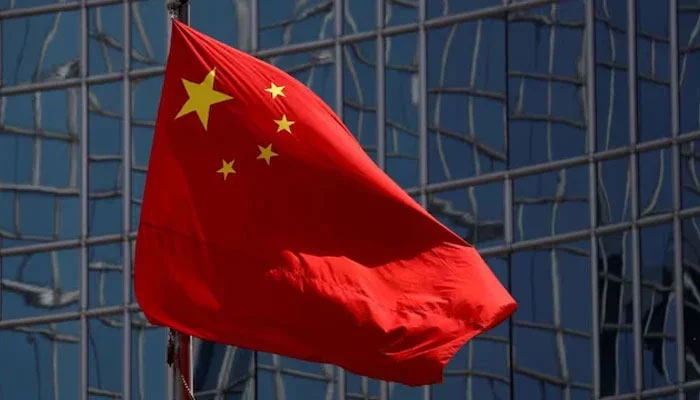
CHINA announced on Monday that its trade surplus reached almost $1 trillion last year as its exports swamped the globe, while the country’s own businesses and households spent cautiously on imports.
When adjusted for inflation, China’s trade surplus last year far exceeded any in the world in the past century, even those of export powerhouses like Germany, Japan or the United States. Chinese factories are dominating global manufacturing on a scale not experienced by any country since the United States after World War II.
The outpouring of goods from Chinese factories has drawn criticism from an ever-lengthening list of China’s trade partners. Industrialized and developing countries alike have erected tariffs, attempting to slow the tide. In many instances, China has retaliated in kind, bringing the world closer to a trade war that could further destabilize the global economy.
President-elect Donald J. Trump, who will take office next week, has threatened to escalate already aggressive American trade policies aimed at China.
On Monday, China’s General Administration of Customs said that the country exported $3.58 trillion worth of goods and services last year, while importing $2.59 trillion. The resulting surplus of $990 billion broke China’s previous record, which was $838 billion in 2022.
Strong exports in December, including some that may have been rushed to the United States before Mr. Trump can take office and start raising tariffs, propelled China to a new single-month record surplus of $104.8 billion.
While China ran a deficit in oil and other natural resources, its trade surplus in manufactured goods represented 10 percent of China’s economy. By comparison, U.S. reliance on trade surpluses in manufactured goods peaked at 6 percent of American output early in World War I, when factories in Europe had mostly stopped exporting and shifted to wartime production.
Many countries seek trade surpluses in manufactured goods because factories create jobs and are important for national security. A trade surplus is the amount by which exports exceed imports.
China’s exports of everything from cars to solar panels have been an economic bonanza for the country. Exports have created millions of jobs not just for factory workers, whose inflation-adjusted wages have about doubled in the past decade but also for high-earning engineers, designers and research scientists.
At the same time, China’s imports of factory goods have slowed sharply. The country has pursued national self-reliance over the last two decades, most notably through its Made in China 2025 policy, for which Beijing pledged $300 billion to promote advanced manufacturing.






-
 24 Dead In Bangladesh After Bus Plunges Into River During Ferry Boarding
 -
 Dana Carvey Recalls Doing 'SNL' Creator Lorne Michaels' Impersonation: 'My First Reaction Is Terror'
 -
 Everything We Know About Taylor Swift And Travis Kelce Honeymoon Plans
 -
 Metformin’s Hidden Brain Pathway Uncovered After 60 Years
 -
 How Dogs Became Man’s Best Friend 15,800 Years Ago: New Study Reveals
 -
 Prince Harry And Meghan Markle Respond To Major Meta And YouTube Ruling
 -
 Why Josh Duhamel Believes His Fans Will Be 'alienated' If He Talks Politics
 -
 Melania Trump Appears With Humanoid Robot At White House
 -
 ‘Addictive By Design’: Meta, YouTube Found Liable In Historic Verdict
 -
 Bruce Willis' Mom Marlene Makes Another Family Amid Son's Battle With Dementia
 -
 Roblox Safety Warning For Parents: Developer Says Kids Need 24/7 Monitoring
 -
 Chelsea Handler Explains Why She Dates Younger Men
 -
 Chappell Roan's Security Guard Takes 'full Responsibility' For His Interaction With Jorginho's Daughter?
 -
 Rosalía Cuts Concert Short Over Sudden Illness, Fans Shocked
 -
 'Buffy' Star Nicholas Brendon's Death Case Takes Massive Turn
 -
 FKA Twigs Takes Legal Stand Against Ex Shia LaBeouf