
2024 marked by positive economic indicators'
Policy rate fell from 22% to 13%, Pakistan’s current account surplus reached 10-year high
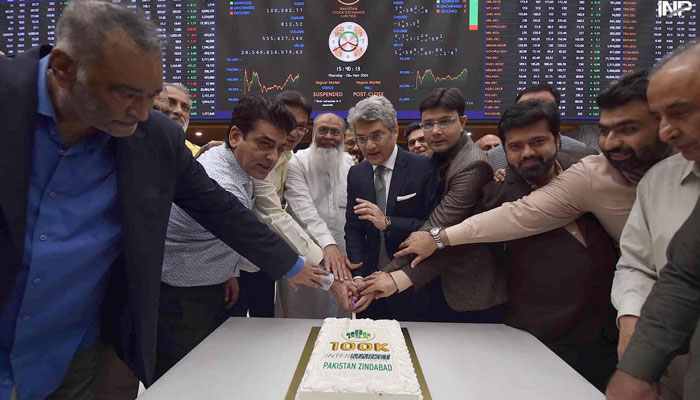
ISLAMABAD: The year 2024 was marked by positive economic indicators for Pakistan as the stock exchange crossed 100,000 points for the first time in the country’s history and inflation fell to a six-and-a-half-year low.
The policy rate fell from 22% to 13%. Pakistan’s current account surplus reached a ten-year high. Foreign exchange reserves, remittances and exports increased. Trade deficit narrowed while the rupee strengthened against the dollar. A new loan program of seven billion dollars was taken from the IMF on strict terms. In 2024, the local debt of the federal government increased while the foreign debt decreased. During the year, inflation fell to the lowest level of 4.9 percent after six and a half years, while inflation reached a record 38 percent during the previous year. Due to the decrease in inflation, the State Bank of Pakistan decreased the policy rate from 22 percent to 13 percent, which has brightened the possibilities of further increasing economic activities and reducing production costs.
This year, the current account surplus was recorded as the highest in twenty years, at $729 million, which is the second highest surplus in the country’s history. Pakistan’s budget went into surplus for the first time after 24 years in the first quarter of this fiscal year. In the first quarter of this fiscal year, Pakistan’s income was high and expenses were low, and it produced a budget surplus of Rs1,700 billion. This year, Pakistan’s total foreign exchange reserves increased by about $4 billion. The value of the rupee increased by Rs3 against the US dollar while Pakistan also succeeded in increasing exports and remittances and imports remained under control. The government expects record remittances and exports this financial year. Saudi Arabia extended the deposit period of $3 billion for another year.
This year, a new loan program of $7 billion covering 37 months was agreed between Pakistan and the IMF. Many strict conditions have to be implemented under the program. The federal government has increased the target of tax collections in the budget by Rs3,800 billion rupees and for the first time, additional taxes of Rs1,761 billion were imposed, tax exemptions of Rs450 billion were abolished, and the tax burden of Rs75 billion was imposed on the salaried class. The federal government introduced the Tajir-Dost scheme to bring more than 3.1 million traders into the tax net on the terms of the IMF, but it failed.
Despite the clear reduction in the interest rate, the production of major industries of Pakistan decreased and during the first four months of the current financial year, from July to October, the production of major industries recorded a decrease of 0.64%.







-
 Shakira Sends Fans Into Meltdown With FIFA World Cup 2026 Anthem Music Video
 -
 Paul Simon Goes Unfiltered On Elvis Presley’s Later Career And Film Choices
 -
 'Gilmore Girls' Most Hated Character Is Getting Major Redemption Online
 -
 Alix Earle Opens Up About Age-gap Dating After Tom Brady Speculation
 -
 US And Iran Report Progress On Talks Ending War
 -
 Lena Dunham Recalls Husband's First Impression Of Her
 -
 King Charles Charity Ends Chelsea Flower Show
 -
 'The Mandalorian And Grogu' Face Limits Of Force At Box Office
 -
 Prince William Reveals Name Of Princess Charlotte's Favorite Football Team
 -
 Prince William And Harry’s Uncle Gets Beloved Painting Back After Wedding
 -
 CDC Expands Mandatory Ebola Screening To Atlanta’s Hartsfield-Jackson International Airport
 -
 Idris Elba Gets Candid About James Bond Casting Rumours
 -
 Miley Cyrus Fiancé Maxx Morando Mocked Over Walk Of Fame Photoshoot
 -
 Kyle Busch's Family Reveals NASCAR Racer's Cause Of Death
 -
 China’s DeepSeek Restructures Pricing With A Permanent 75% Cut On V4-Pro AI Model
 -
 Whereabouts Of Katie Price's Husband Lee Andrews Confirmed By His Father