NASA Artemis II crew reaches moon’s sphere of influence ahead of historic flyby
Lunar sphere of influence exerts stronger gravitational pull than Earth's
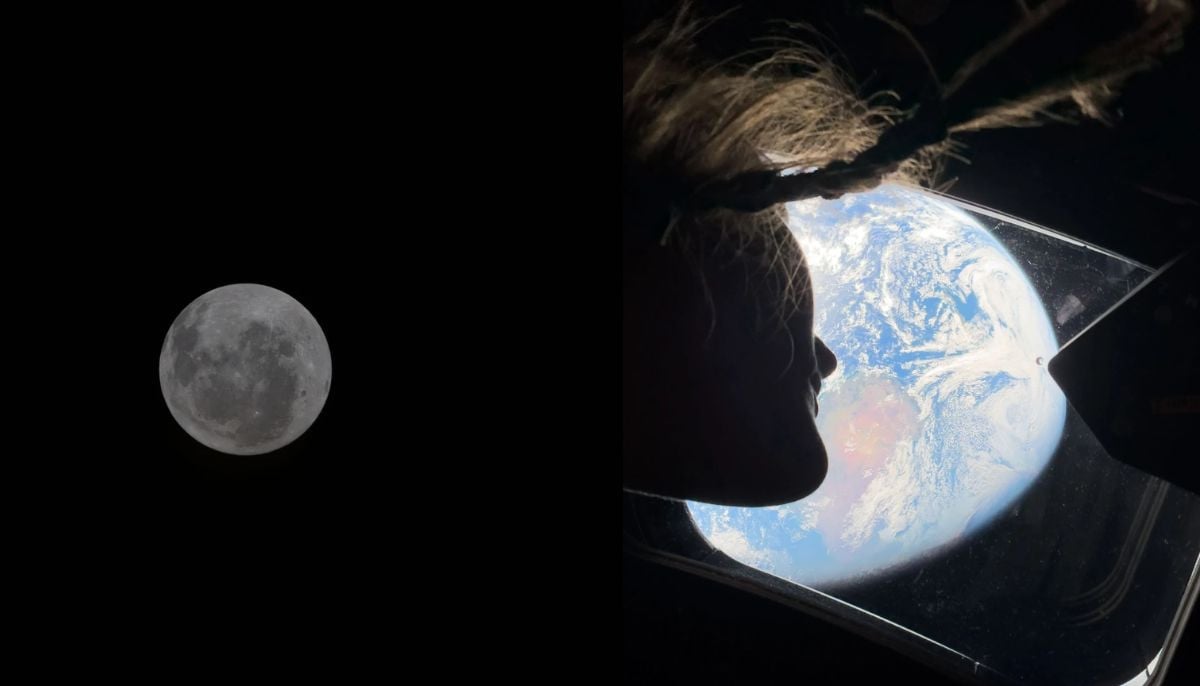
In a key milestone, the crew of NASA’s Artemis II mission has reached the moon’s “sphere of influence.” It is the critical point where the moon's gravitational pull is stronger than Earth’s on the spacecraft.
The Orion capsule entered the sphere at around 12:41 a.m. ET Monday, highlighting a significant advancement in the mission that shows that the astronauts are in the moon’s proximity, ready to fly by the far side of the moon.
For NASA, crossing the threshold holds significant importance as this is the first time the crew members entered the sphere of influence since the Apollo 17 mission in 1972.
The transition came after four days, six hours and 2 minutes. Right now, the Orion is about 39,000 miles (62,800km) far from the moon, and 232,000 miles (373,400km) away from the Earth.
According to Lori Glaze, the deputy associate administrator for NASA’s Exploration Systems Development Mission, “We are all extremely excited for tomorrow. Our flight operations team and our science team are ready for the first lunar flyby in more than 50 years.”
Apollo 16 astronaut Charlie Duke sent a heart-warming message to the crew of Artemis II, “John Young and I landed on the moon in 1972 in a lunar module we named Orion. I am glad to see a different kind of Orion helping return humans to the moon as America charts the course to the lunar surface.”
The flyby is expected to last about 6 hours. During this historic journey, the astronauts will hopefully observe the moon’s far side, capturing the features that remain hidden and accessible to astronauts due to prevalent darkness.
The mission will experience a planned communications blackout of about 40 minutes when Orion passes behind the moon. During the window, the moon will obstruct radio signals which are serving a connection between the Deep Space Network on Earth and spacecraft.
If the plan proceeds smoothly, the Artemis II astronauts could set the record by moving farther away from Earth than any human before.
What will Artemis II astronauts observe on the Moon's far side?
According to NASA, the crew had successfully completed a manual piloting demonstration and reviewed their lunar flyby plan, such as reviewing features they must analyze and photograph them.
The astronauts will observe geological features on the far side, including Orientale basin, a 930-kilometre-wide, multi-ringed impact basin in the Moon’s southern hemisphere, as reported by Nature.
According to Kelsey Young, Artemis II’s chief lunar scientist, “Orientale holds a lot of importance in understanding impact cratering across the Solar System.”
Other craters, such as a 64-kilometre-wide Ohm crater, which has a central peak poking above lava flows on its floor, and 9-kilometre-wide Pierazzo crater, will be illuminated during the flyby.
The crew members will also witness the subtle changes in lunar topography, including the colour and brightness across the moon.


-
 A ‘neglected’ neutrino may hold the key to why the Universe exists
 -
 Can cancer drugs be made in space? Here’s what the new mission aims to find out
 -
 SpaceX Falcon 9 successfully launches Bandwagon-5 mission with 32 payloads
 -
 Europe launched 8 orbital rockets last year, can it rival Starlink?
 -
 Japan launches world’s first mission to bring sample back from phobos
 -
 Orionid meteor shower 2026: Peak date, viewing tips and what to expect
 -
 Why Mars looks blue in NASA’s unedited curiosity panorama?
 -
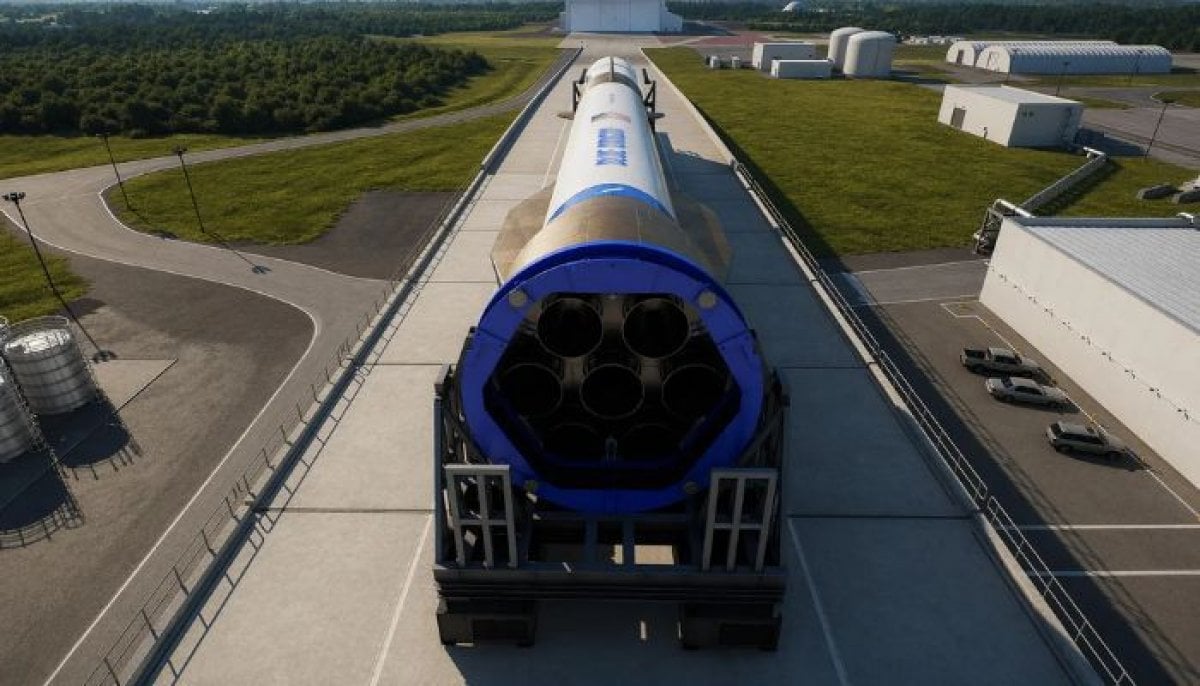 Blue Origin upgrades new Glenn rocket launch infrastructure to take on SpaceX