Genes may matter more than thought in human lifespan, study finds
New model reveals hidden genetic impact behind human longevity patterns
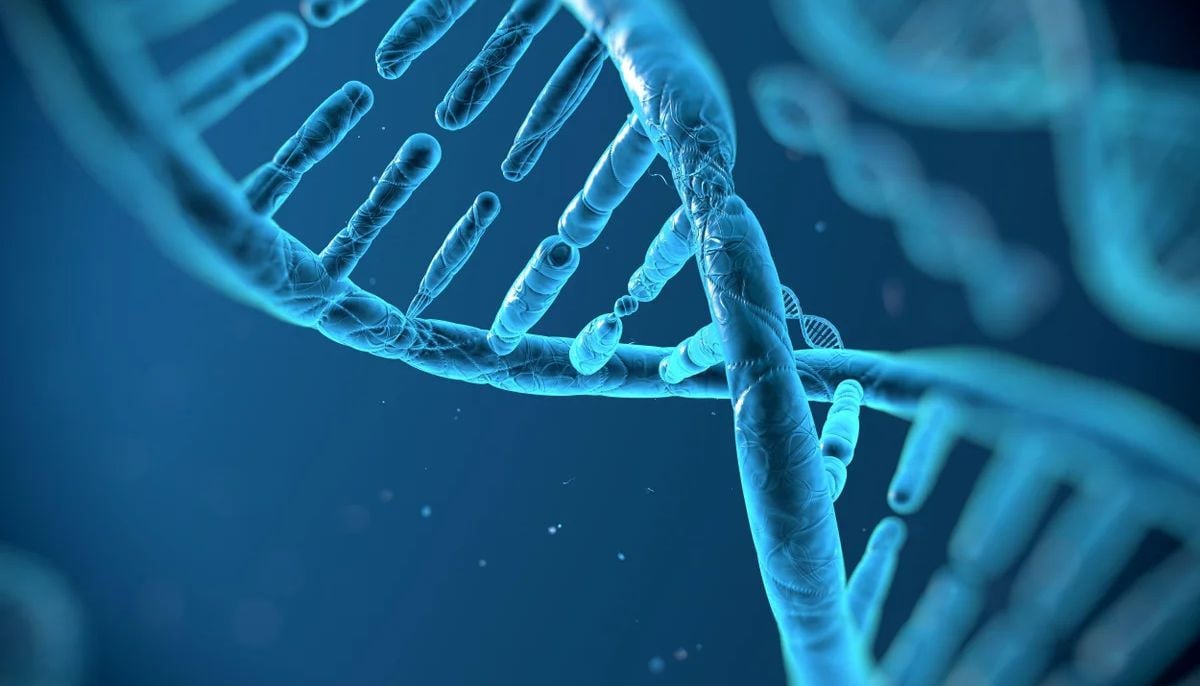
A new study by the Weizmann Institute of Science suggests that genetics and lifespan may be more closely linked than previously believed. Research led by Uri Alon finds that genes could account for nearly half of human longevity, rather than the widely accepted 20%.
The findings, published in Science, reanalyse older data using modern modelling to better understand human longevity.
Human lifespan may be 50% genetic, not 20%
The research shows that genetic factors control human lifespan more than lifestyle choices do. The study investigated Scandinavian twins who lived during the late 19th century because this period showed high mortality rates from various infectious diseases and accidents and substandard living conditions.
Alon and his research team applied mathematical models to their analysis of existing data in order to eliminate all deaths caused by extrinsic factors. The research showed that outer elements had concealed the actual impact of genetic factors on lifespan, which resulted in an underassessment of genetic heredity.
The researchers examined twin records from Sweden who were born between 1900 and 1935, together with the records of people who lived beyond 100 years. The research discovered that genetic factors became essential to lifespan determination after researchers eliminated all deaths that did not relate to ageing.
Notably, recent reports shows that human lifespan extension depends more on inherited traits than previous scientific research demonstrated.
The research results will change the methods scientists use to study ageing and disease. Future studies will shift their attention to genetic pathways and personalised medicine if researchers discover that genes have a greater impact on disease than they currently understand.
The experts believe that better genetic understanding combined with accurate lifespan assessment will enable better health risk predictions and enhance outcomes for elderly individuals.


-
 Draconid meteor shower tonight: Best time and places to see it
 -
 ‘A dream for 50 years’: Why world’s first nuclear clock could change timekeeping
 -
 NASA Curiosity captures strange ‘wind-carved’ Mars landscape in dawn image
 -
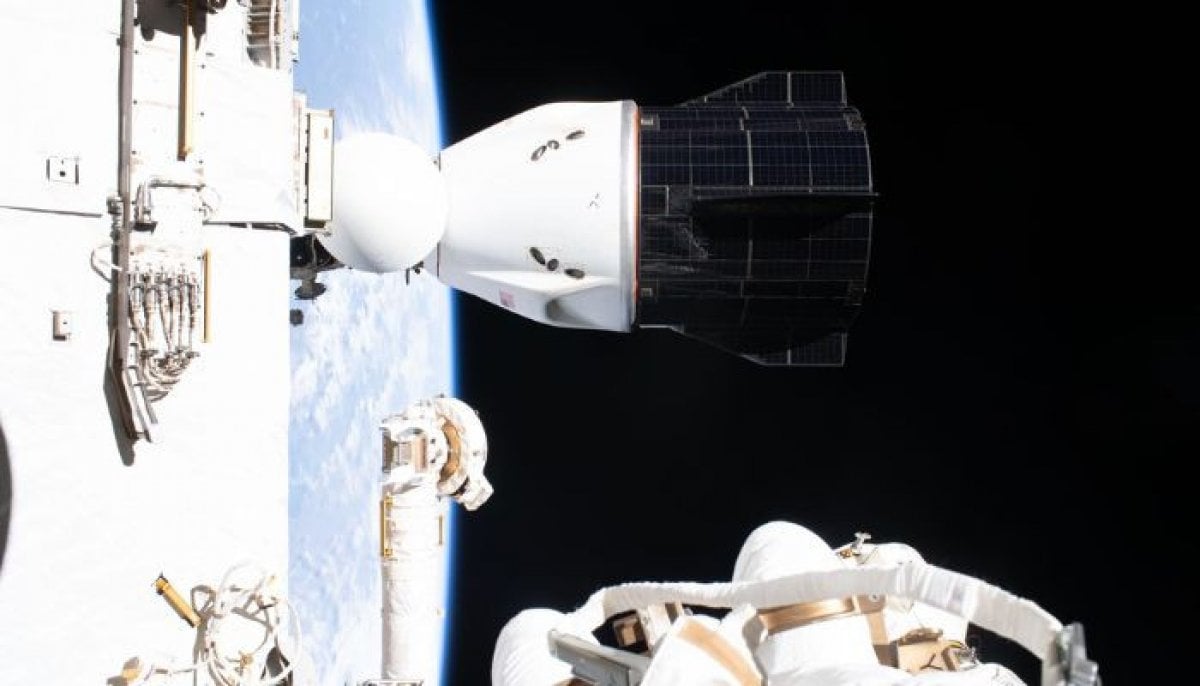 NASA's Crew-12 Dragon begins return trip from space station
 -
 Mysterious ‘phoenix planet’ found around the remains of a dying star
 -
 First possible evidence of Planet Nine found in infrared data
 -
 Elon Musk announces SpaceXAI rebrand to SpaceXSI following presidential order on 'Super Intelligence'
 -
 ISS Command changes hands in emotional ceremony