Scientists uncover 72 million years old dinosaur eggs and remnants of titanosaurs
Palaeontologists discover fossilized eggs of dinosaurs and other smaller species millions of years later
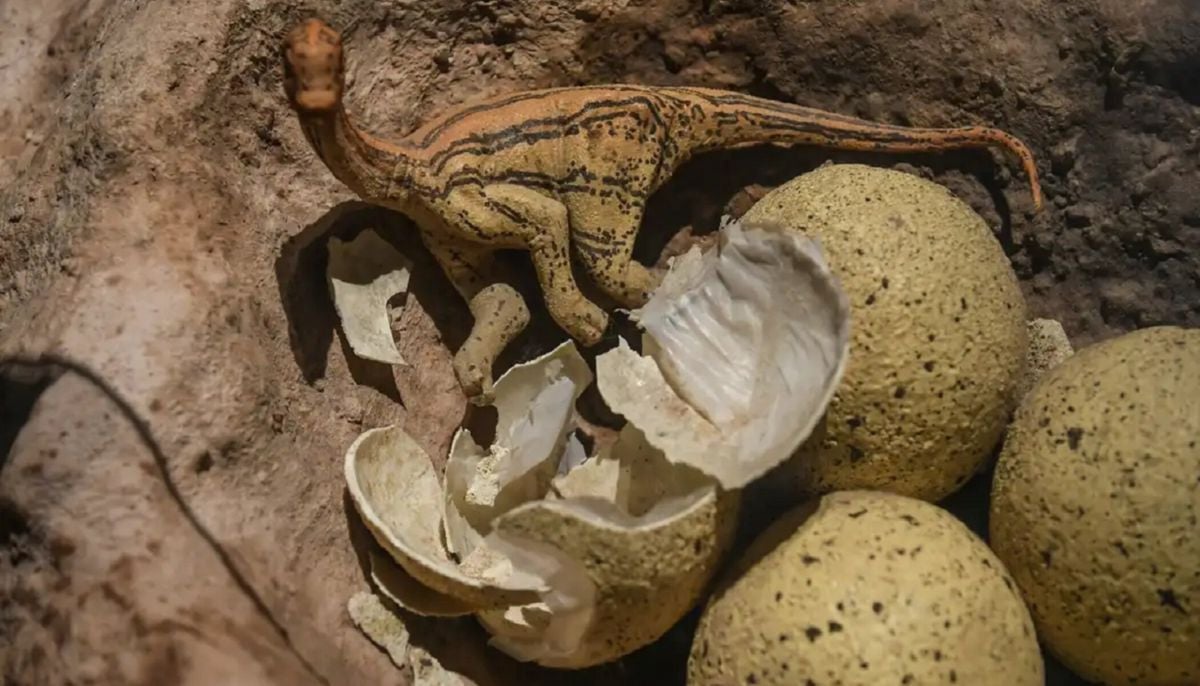
An astonishing discovery has been made by palaeontologists located in southern France.
According to Musée-Parc des Dinosaures de Mèze director-curator Alain Cabot, palaeontologists have stumbled upon remarkable dinosaur nesting grounds at the Mèze fossil site, discovering hundreds of fossilized eggs which are almost 72 million years old.
While conducting winter evacuation, the scientists came across a vast concentration of dinosaur eggs.
Notably, millions of years have passed down, yet many eggs are intact with their shells and visible internal structures.
Cabot stated that the site shows an “exceptional concentration” of fossilized eggs that are scattered across approximately 15 square miles.
They have uncovered over 100 eggs; however, researchers believe that a great number of eggs are still buried beneath surrounding sediment, whereas the extensive layer serves as evidence that dinosaurs once used the area as their nesting ground.
It is pertinent to mention that the preliminary assessment suggested most of the eggs are of titanosaurs, who were long-necked, huge herbivorous dinosaurs that were found in the Late Cretaceous period.
In addition to titanosaurs’ eggs, Palaeontologists also uncovered identified eggs from smaller species, indicating that many dinosaurs existed in the same breeding environment.


-
 Drake, Ann Michael Maye open up about navigating challenges after marriage
 -
 Hayden Panettiere's ex Brian Hickerson finally breaks silence on her death
 -
 Sutton Foster goes 'through hell' due to Hugh Jackman's ties with Ryan Reynolds, Blake Lively
 -
 Shailene Woodley’s stylist fires back at ongoing backlash over actress's Emmy look
-
 Scientists name newly discovered snake after Guns N' Roses' Slash
 -
 SpaceX secures three new NASA crew flights: What to know
 -
 Sovereign AI fund in talks to back Political Sciences: What to know
 -
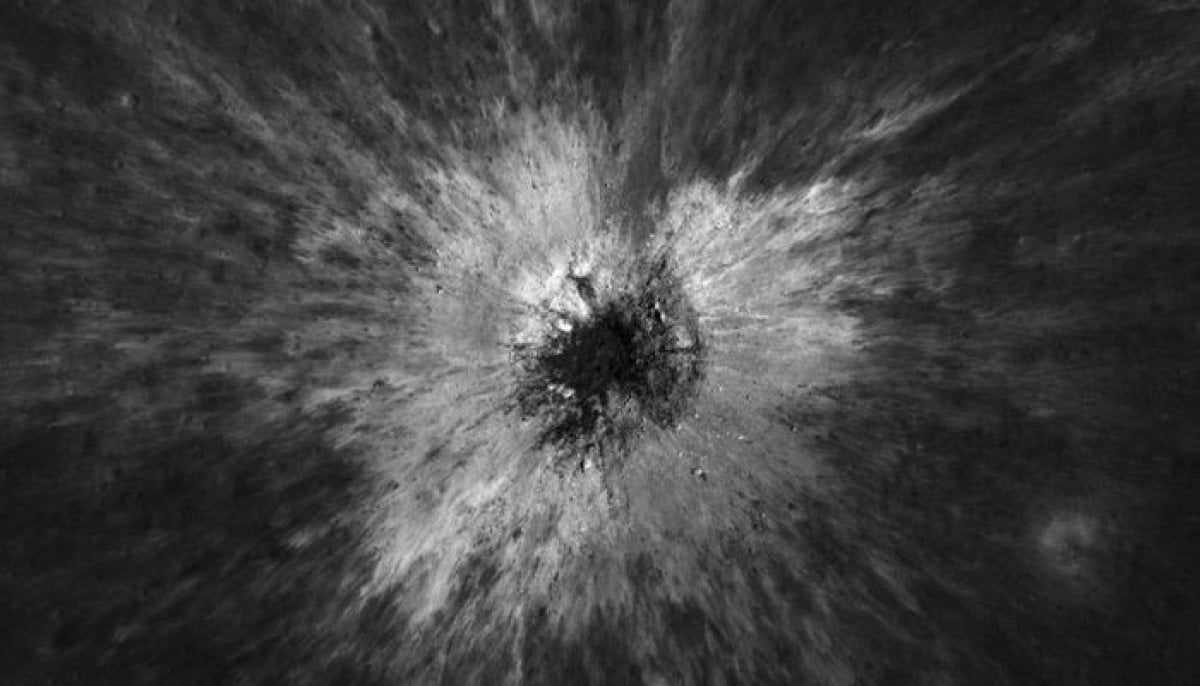 What recent discovered Moon Crater Means for Future Astronauts
 -
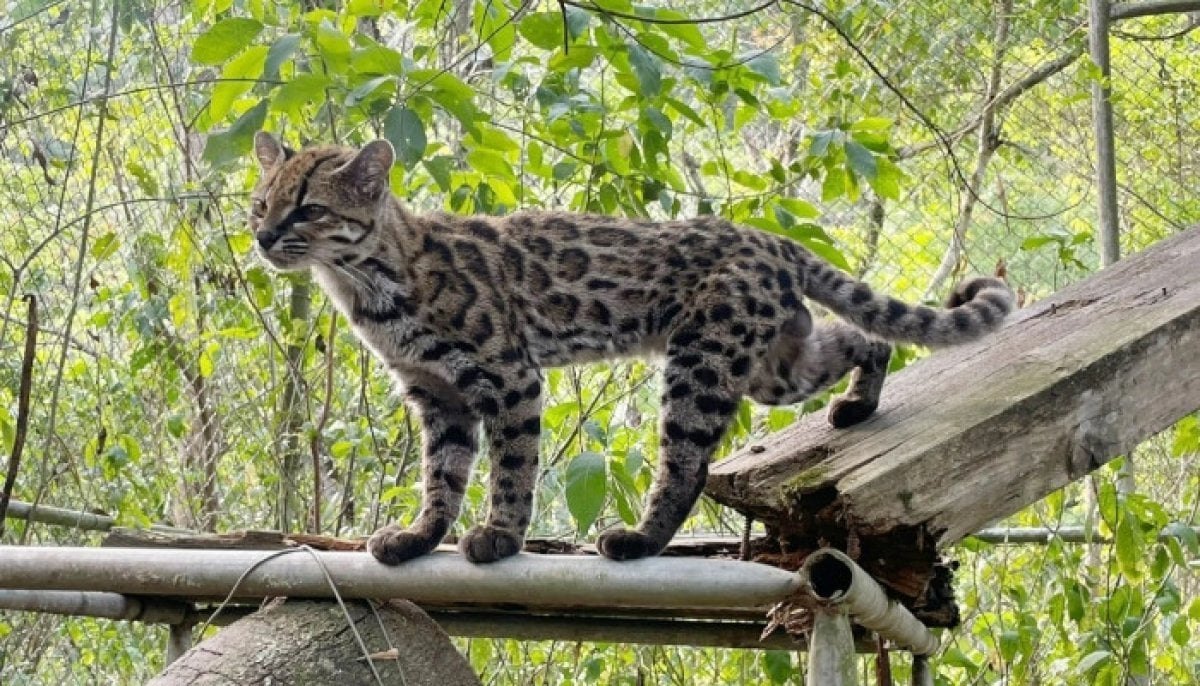 Scientists discover new wild cat species in Bolivia for the first time in a century
 -
 SpaceX turns to failed startups for AI training: Here’s why
 -
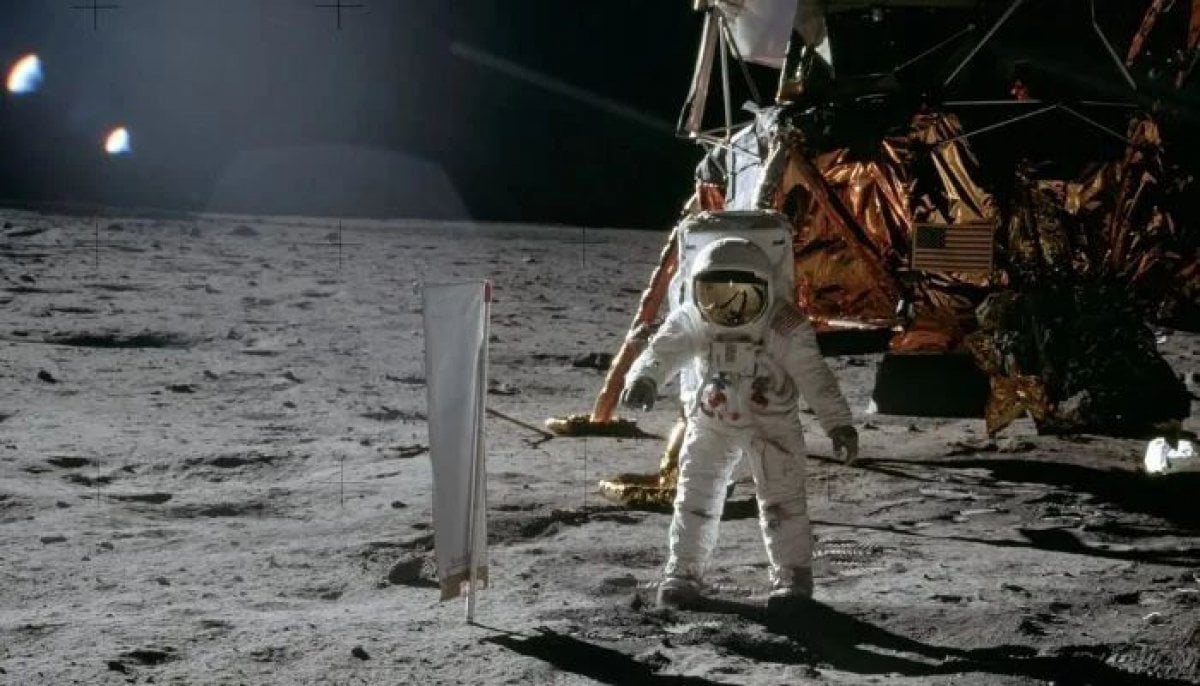 Why US is preparing its troops for possible combat around moon
 -
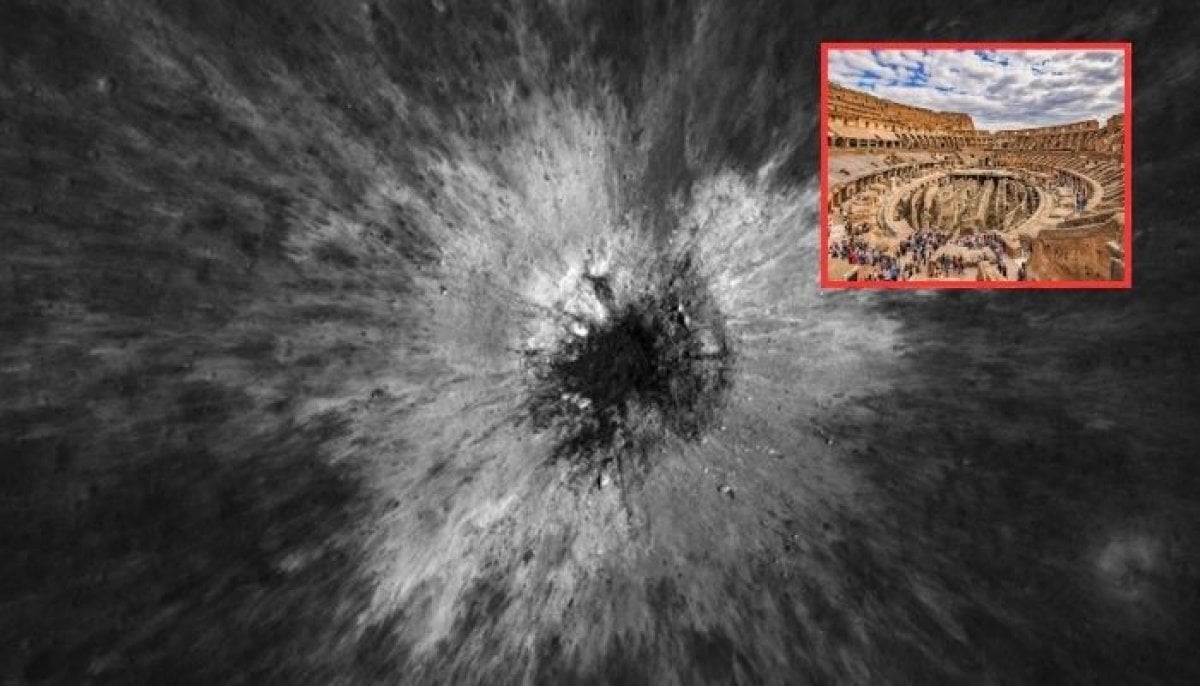 NASA finds ‘once-in-a-century’ moon crater bigger than Roman Colosseum