SpaceX Starship test flight succeeds despite engine failures
SpaceX says it pushed out more than 3,000 satellites last year on 122 Falcon 9 missions
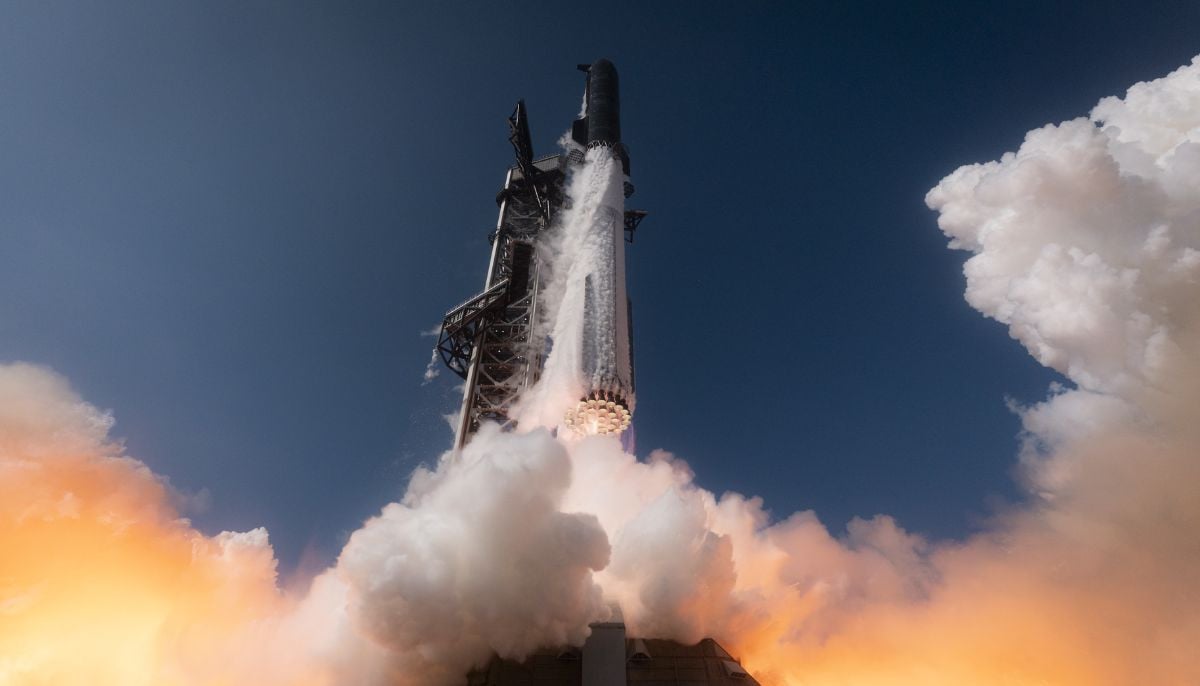
SpaceX's 12th Starship test flight achieved a rare win, deploying dummy satellites into orbit, but exposed critical engineering gaps the company must fix before its expected $75 billion public market debut.
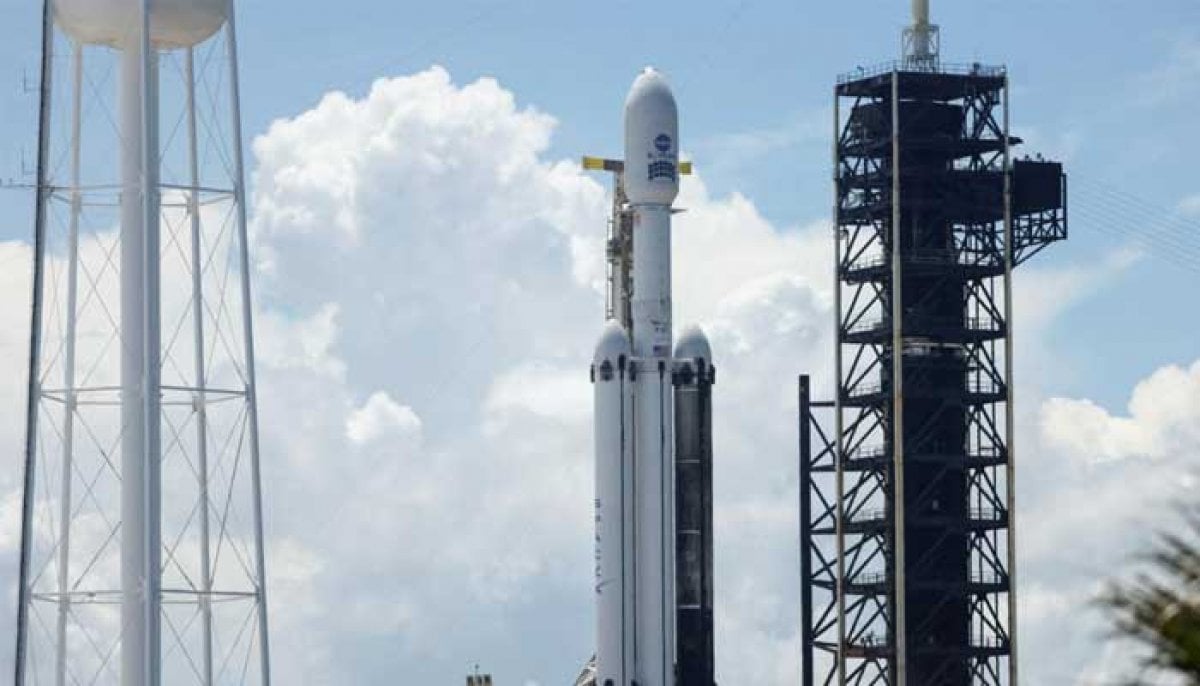
Friday's launch from Starbase, Texas marked a crucial moment, but the flight's mixed results underscore how much work remains before Starship can reliably carry people and cargo to space.
The rocket lifted off at 6:30pm ET, and it hit Mach 7 before doing the whole “splashdown" thing in the Indian Ocean. Still, the mission kind of showed what SpaceX didn’t pull off: the Super Heavy first stage failed almost right after separation, and then weird engine issues during relight scorched a pretty big part of the booster.
The upper stage, tipped over and exploded on impact, which was sort of expected, but it also kind of hides the bigger propulsion objectives the company didn’t reach.
In its IPO filing, SpaceX noted that Starship “is designed to deliver 100 metric tons to Earth’s orbit in a fully reusable configuration.” On Friday, though, the test came up short of the propulsion benchmarks needed to show the revised engines are ready for safe orbital missions AND landings.
And that matters because NASA wants to use Starship to put astronauts on the moon in 2028, but with results like this, that timeline is now starting to look questionable.
Even with the booster’s troubles, SpaceX still managed to release a batch of mock Starlink satellites, sort of proving the vehicle’s key ability. The company says it pushed out more than 3,000 satellites last year on 122 Falcon 9 missions.
Now Starship, the biggest rocket ever built, is meant to move even more satellites per trip, speeding up the buildout of Starlink’s wireless internet constellation, this line of work bringing in billions in revenue. It’s basically designed to make the expansion thing less slow.
This test flight showed up about seven months after a run of explosions stopped testing in early 2025, when debris messed with air traffic near the launch site. NASA administrator Jared Isaacman was there Friday, a sort of symbolic display of confidence, but those propulsion issues make people wonder if SpaceX can actually stay on schedule with its aggressive timelines and also with what investors expect, especially while it tries to secure public funding.
The test flight came seven months after a series of explosions halted testing in early 2025, when debris disrupted air traffic near the launch site. NASA administrator Jared Isaacman attended Friday's launch in a symbolic show of confidence, but the propulsion failures raise questions about whether SpaceX can meet its aggressive timelines and investor expectations as it seeks public funding.




-
 US finally confirms weapons in orbit: What it means for space warfare
 -
 How China's FAST telescope is mapping the cosmic gas behind star birth
 -
 Did Sun eat super-Earth? New study says maybe
 -
 Did Sun swallow a super-Earth? Scientists search for its ‘fingerprints’
 -
 Blue Origin sets sights on Mars with new NASA network
 -
 NASA, IBM launch open-source lunar foundation AI model to help map ice, craters on moon
 -
 Bacteria can remember without brain, new study finds
 -
 Fast radio bursts may unlock secrets of dark matter, energy and neutrinos