Artemis II: Key milestones in NASA’s return to the Moon
The mission launched with significant purpose from the Kennedy Space Center aboard NASA’s powerful Space Launch System, marking the first crewed lunar mission since Apollo 17
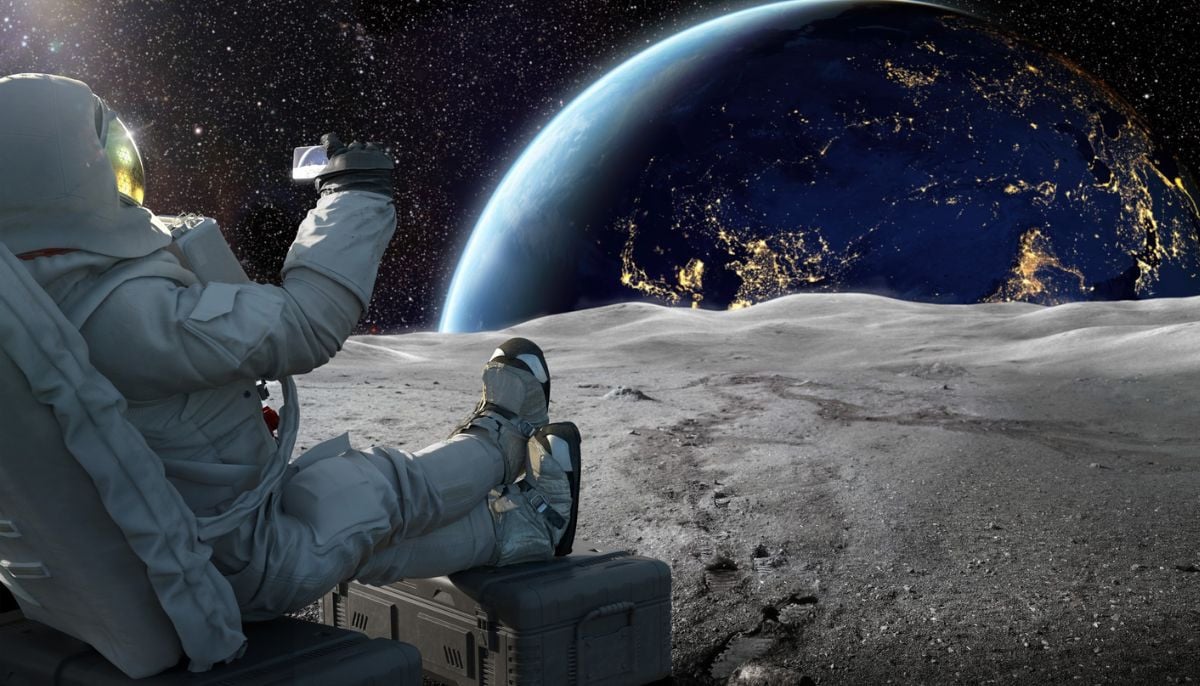
NASA’s Artemis II mission is successfully rewriting the history books, marking the first time a crewed spacecraft has journeyed toward the Moon in over 50 years. Following a precision launch from Kennedy Space Center, the Orion capsule and its four-member crew are currently pushing the boundaries of human deep-space exploration.
The mission reached its first major hurdle with the Translunar Injection (TLI) burn. The critical 5-minute and 49-second maneuver propelled the spacecraft out of Earth’s orbit and toward the lunar surface. “America is back in the business of sending astronauts to the Moon,” NASA officials stated following the successful burn. This time, farther than ever before.
The Orion spacecraft carried its four-member-crew-Reid Wiseman, Victor Glover, Christina Koch, and Canadian astronaut Jeremy Hansen-into orbit, beginning a journey that would push human exploration deeper into space than ever before. The astronauts have been enthusiastic about their journey, with Hansen reporting that they are “feeling pretty good” as they watch the Earth shrink in the distance. Hensen is making history as the first non-American to travel to the Moon.
Looking ahead: Lunar flyby
As Orion approaches the Moon, the crew is preparing for a historic flyby that will take them over 252,000 miles from Earth. This trajectory is expected to set a new distance record for human spaceflight. This landmark mission serves as a significant testbed for NASA’s long-term goals; once the 10-day journey concludes with a Pacific Ocean splashdown, the data gathered will pave the way for a permanent human presence on the Moon and future crewed missions to Mars.


-
 A ‘neglected’ neutrino may hold the key to why the Universe exists
 -
 Can cancer drugs be made in space? Here’s what the new mission aims to find out
 -
 SpaceX Falcon 9 successfully launches Bandwagon-5 mission with 32 payloads
 -
 Europe launched 8 orbital rockets last year, can it rival Starlink?
 -
 Japan launches world’s first mission to bring sample back from phobos
 -
 Orionid meteor shower 2026: Peak date, viewing tips and what to expect
 -
 Why Mars looks blue in NASA’s unedited curiosity panorama?
 -
 Blue Origin upgrades new Glenn rocket launch infrastructure to take on SpaceX