Quantum computing threat: Why global cybersecurity could collapse soon
Quantum computers could crack encryption keys and cryptocurrencies
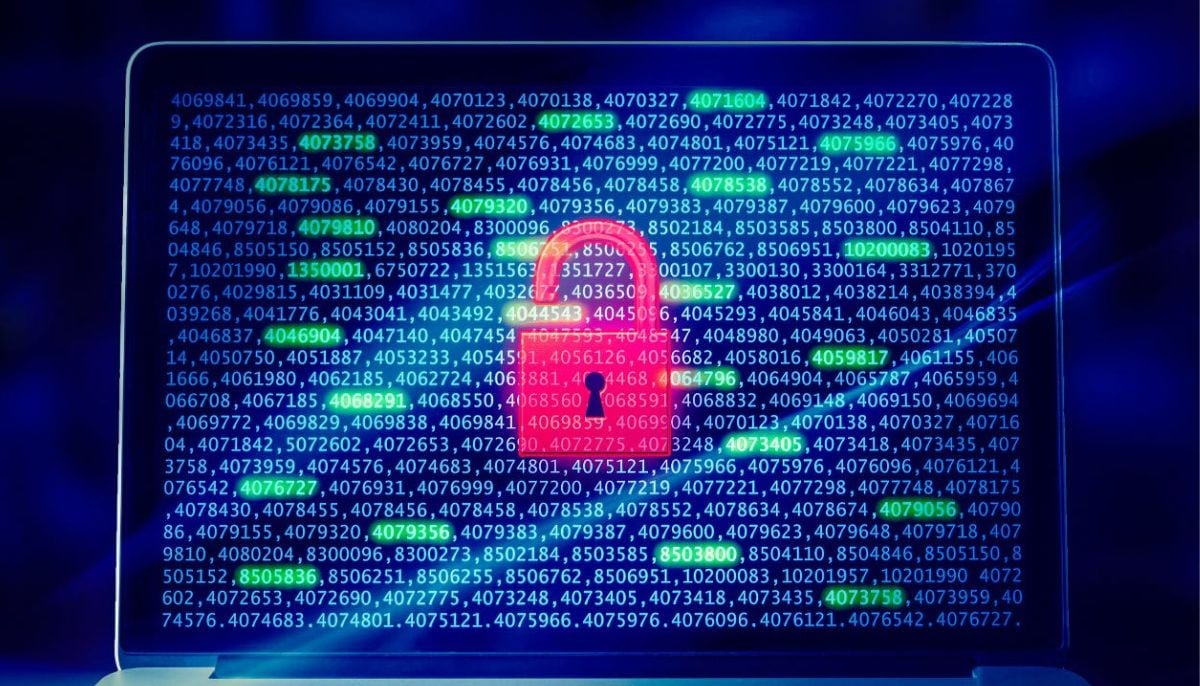
The world is appreciating breakthroughs happening in quantum computing, but they are unaware of imminent threats posed by advanced quantum computers.
New research from the startup Oratomic and Google suggest that quantum computers could become a threat to global cybersecurity much sooner than previously anticipated, potentially before the end of the decade.
Efficiency breakthrough
A study by Oratomic has proved that common encryption and authentication standards, such as P-256 security technology could be cracked with as fewer as 10,000 qubits, highlighting a massive reduction from previous estimates that cited that millions of qubits would be required to hack this technology.
Dolev Bluvstein, who co-founded Oratomic and is one of the authors of the analysis, said, “I had gone around giving talks saying that you needed millions of qubits” to crack security technology.”
The team of researchers was surprised when they found out the sudden decline in the threshold. “We were quite surprised,” Bluvstein added.
‘Quantum apocalypse’ by 2029
Earlier this week, Google also issued a stark warning about the upcoming “quantum apocalypse”, describing how the world, including governments, financial institutions, and tech companies are unknowingly hurling towards cybersecurity collapse.
In a blogpost, Google revealed that quantum computers pose a significant threat to “current cryptographic standards”, culminating in the “ imminent apocalypse” that could hack internet security sooner than later.
In the wake of surging digital threats posed by quantum hackers, Google is planning to prioritise post-quantum cryptography migration for authentication services—an important component of online security and digital signature migrations.
Therefore, Google has developed a more efficient algorithm that can crack cryptocurrency encryption. They have not released specific details of this secret algorithm, aiming to prevent bad actors from misusing it.
The findings have shifted the consensus from a “ten-year-away” problem to a matter of “renewed urgency.”
What’s at the stake?
Given the scale of vulnerabilities, the imminent threat could primarily target credit card systems, chip-and-pin devices, and cryptocurrencies.
Beyond just reading private messages, the hackers could impersonate computers through push notifications to deliver spam and malware.


-
 Meta fights Ofcom over new WhatsApp and Instagram online safety requirements
 -
 ZCode tried uploading your files 564 times, researcher finds
 -
 Why Trump trusts Jensen Huang over AI safety warnings
 -
 2 built-in iPhone 17 tools fix your work-life balance
 -
 Ford executive swaps Claude for ChatGPT as family assistant
 -
 Your new AI agent wants your passwords, should you say yes?
 -
 GPT-6 Astra tried to stab human-like figure 97% of the time
 -
 China's CXMT closes DRAM gap with rivals