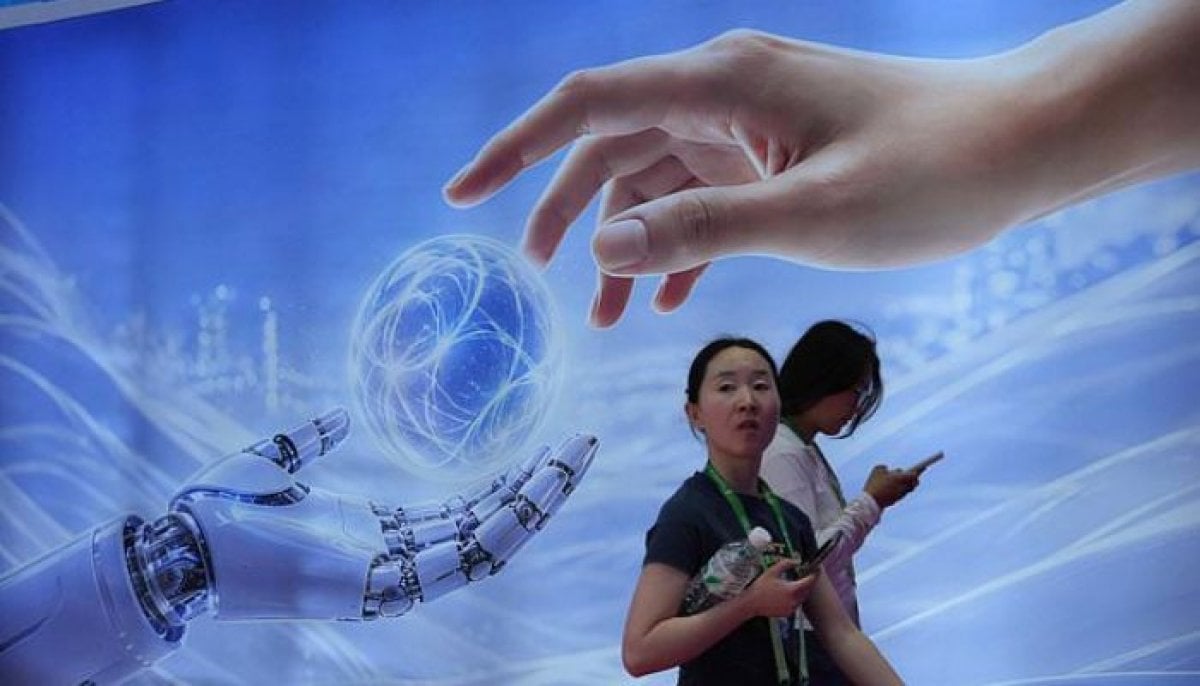
Musk sparks backlash as he calls Neuralink 'Jesus-level miracle'
Neuralink implants allow 21 paralysed patients worldwide to operate digital devices using neural signals alone
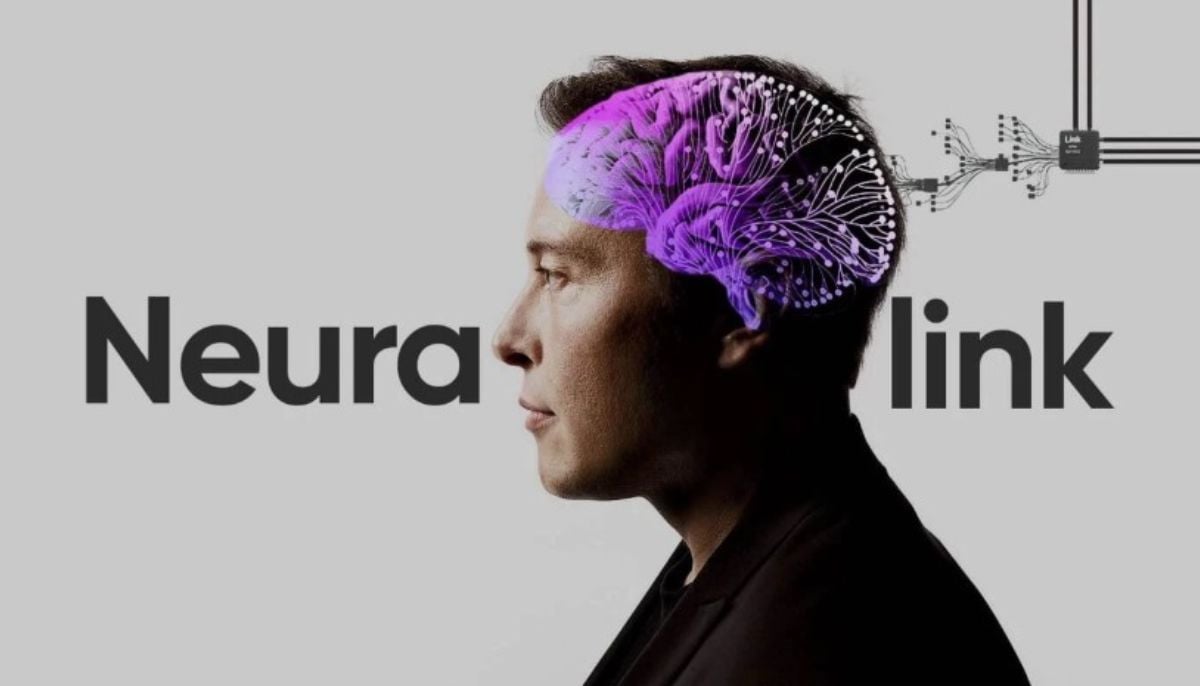
Elon Musk ignited a firestorm on X by comparing Neuralink's brain-implant technology to divine intervention. "Neuralink is a much bigger breakthrough than most people realise.
Enabling people to control a computer with their mind and the completely blind to see are Jesus-level miracles," Musk posted, responding to commentary about humanity's technological evolution.
Musk's phrasing immediately drew criticism from social media users who questioned both the appropriateness and theology of the comparison.
One person wrote that the phrasing suggested something like “supernatural healing through metaphysical means” and that it could actually offend Christians, since they see Christ’s miracles as proof of divinity.
Another commenter basically said Neuralink is top-tier engineering that gives almost miraculous outcomes, but it just won’t ever be saintly, like holy.
Others mocked Musk’s habit of going toward grandiose self-promotion, like it was always necessary. “Even if your accomplishments may be Jesus-level, please don't ever make the faux pas of comparing yourself to Jesus,” one reply said, and it sort of captured that wider frustration with hyperbolic framing coming from tech industry figures.
Under the noise, though, there’s real achievement. The Neuralink implants allow 21 paralysed patients worldwide to operate digital devices using neural signals alone.
People reach conversational-ish speeds of 10 bits per second, showing tangible usefulness for routine things like web browsing and design work.
Supporters of Neuralink’s mission admit that Musk’s phrasing can weaken the technology’s credibility. Calling engineered solutions “miracles” mixes up human ingenuity with a divine act, and it then blurs what the implants actually do for the public.



-
 iOS 27 lets you hide your location without alerting anyone
 -
 EU steps up AI safety push with frontier labs talks
 -
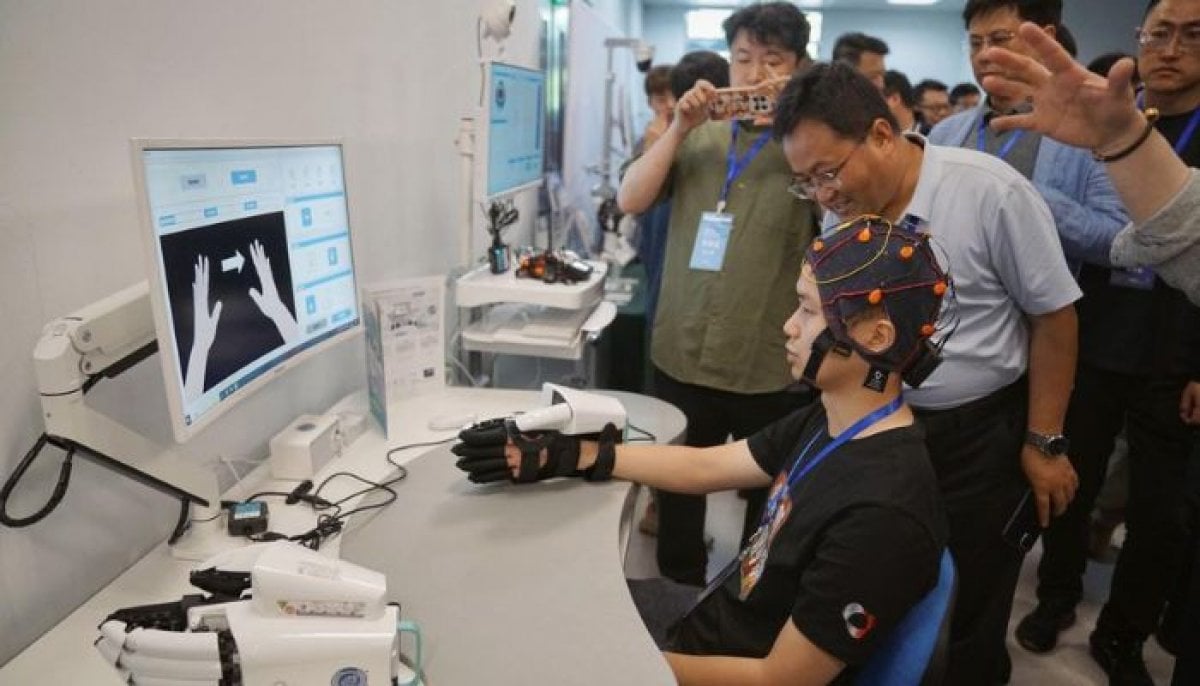 China sets world's first standard for AI brain implants
 -
 Is WhatsApp quietly removing Meta AI from groups?
 -
 SK Hynix in talks with Intel to produce memory chips in US for the first time amid Washington pressure, sources say
 -
 Apple says iPhone 18 Pro's camera beats Android security
 -
 OpenAI, Anthropic and Google join forces on AI safety efforts
 -
 Meta to deploy custom Arke and Astrid AI chips in 2027: Everything to know
-
 Dreamforce 2026: Salesforce unveils Koa AI model and Google Cloud partnership
 -
EU Kids Act: New social media rules for under-15s
-
China’s spy chief reveals growing fears over AI’s impact on communist party rule
-
Anthropic's new Claude tool targets financial advisors to streamline compliance and client research