Strait of Hormuz toll revenue talks: Iran, Oman discuss proposal despite US warning
Under international law, it is prohibited to collect toll from ships crossing the waterways
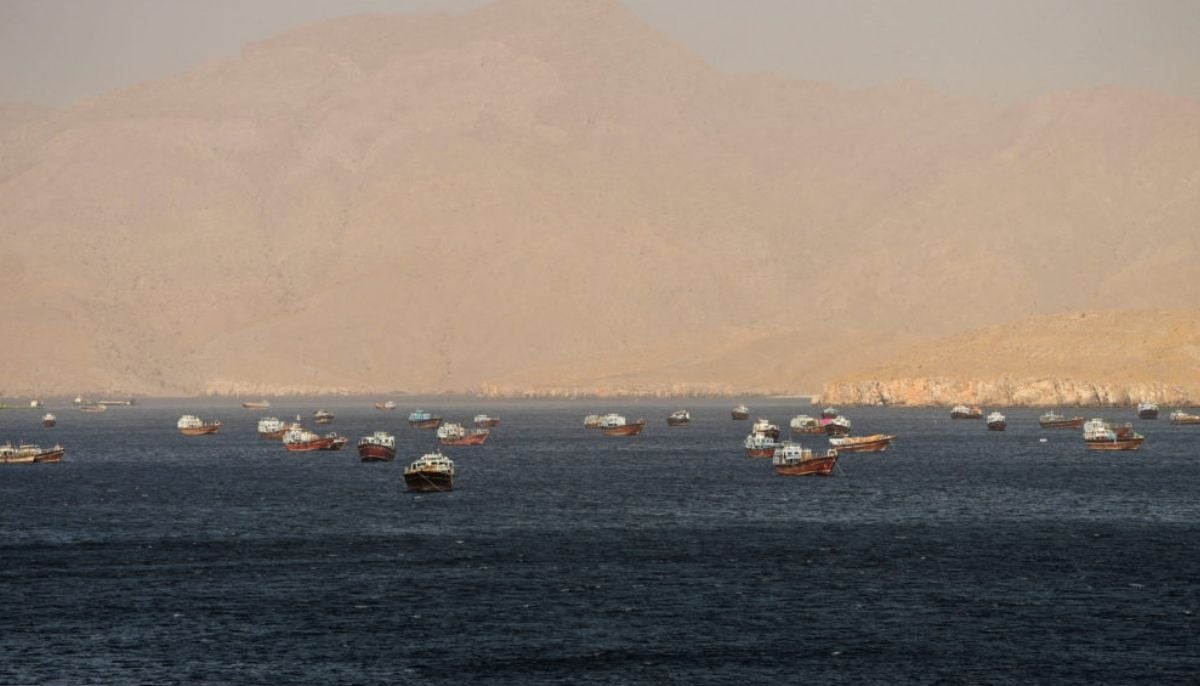
Iran and Oman have been engaged in talks over a toll proposal system, allowing both countries to charge ships passing through the Strait of Hormuz.
As reported by The New York Times, Iranian officials are striving to generate revenue in the midst of the persistent closure of Strait of Hormuz which has ignited a shipping crisis since March.
The negotiations emphasized on charging service fees rather than toll. As per Iranian officials, the system would make the proposal legally defensible under international law.
Under international law, it is prohibited to collect toll from ships crossing the waterways.
The report noted that because vessels crossing the Strait do not typically require docking, forcing them into Iranian ports to navigate the waterway could violate international precedents regarding freedom of navigation.
The talks between Iran and Oman defy repeated warnings from the US, warning the country against creating any form of payment mechanism in the strategically important waterway through which 40 percent of global oil passes through.
US President Donald Trump said on Thursday, “we don’t want tolls. It’s international. It’s an international waterway.”
US Secretary of State Marco Rubio also opposed the move of collecting toll, stating, “It can’t happen.It would be unacceptable. It would make a diplomatic deal unfeasible if they were to continue to pursue that.”
To pursue this effort, Iranian authorities announced the establishment of the “Persian Gulf Strait Authority”, aiming to oversee the international waterway.
Moreover, Tehran also defined the boundaries of the Strait of Hormuz management supervision area as follows: "The line connecting Kuh Mobarak in Iran and the south of Fujairah in the UAE in the east of the strait to the line connecting the end of Qeshm Island in Iran and Umm al-Qaiwain in the UAE in the west of the strait."
According to the map-defined boundaries, the certain section would require specific permits for transit.
In April, Iran officially collected its revenue from the toll that the country imposed on ships passing through the Strait of Hormuz.





-
 US EPA unveils sweeping power plant carbon limit rollbacks at G20 meeting to prioritize grid reliability
 -
 Savannah Guthrie makes another emotional plea to Nancy's kidnappers
 -
 'Hang Lindsay Clancy': GOP rep calls for mom-of-three's public execution
 -
 Royal family shares Princess Astrid's funeral plan
 -
 Italian Senate clears PM Giorgia Meloni electoral reform bill to overhaul voting system and establish majority bonus thresholds
 -
 US Senate advances landmark crypto bill to set new digital asset boundaries
 -
 Russia-Ukraine energy truce? Kremlin welcomes Trump's proposal with 'conditions'
 -
 UK State pension likely to rise by £488 a year in April
-
 Russia threatens Poland, claims Warsaw could ‘disappear’ in days
 -
China warns US over ‘weaponization of space’ after deployment confirmed
-
China tightens exit restrictions for citizens to safeguard national technology security and penalize overseas violations
-
Carney heads to Europe as Canada-EU ties take center stage amid US trade war